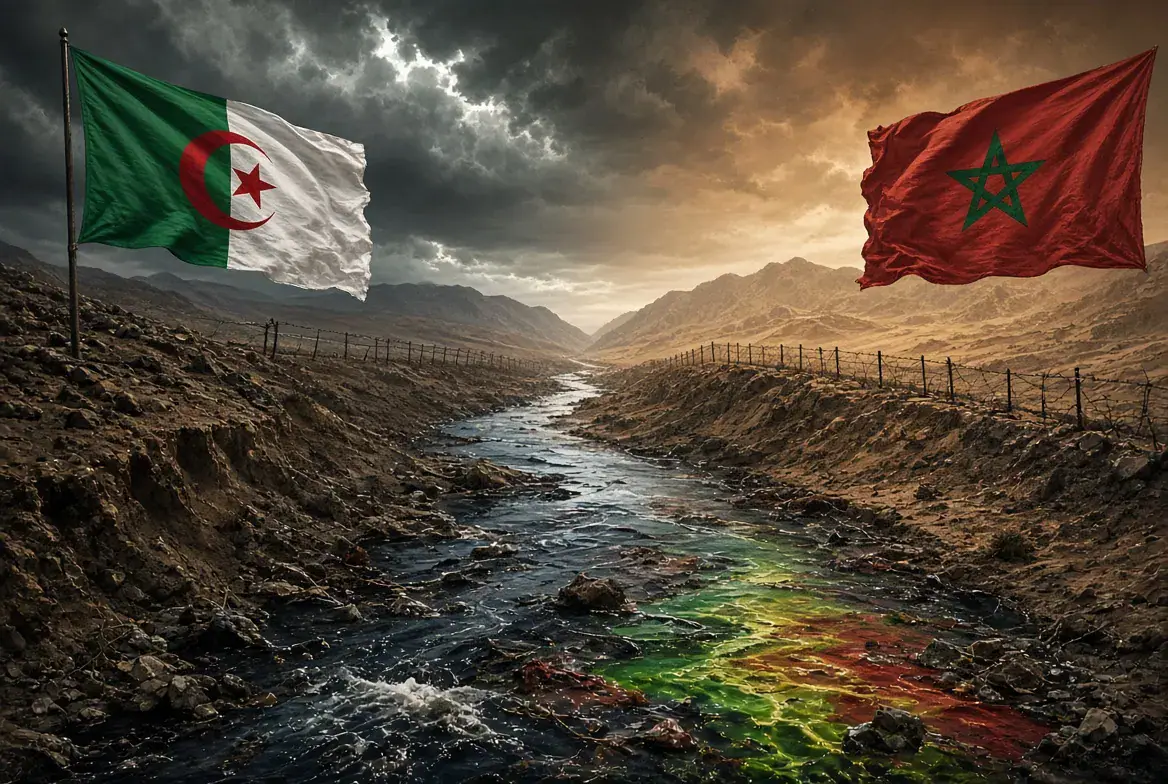
A new front has opened in the ongoing diplomatic tensions between Algeria and Morocco, which have had strained relations since severing ties in 2021. The dispute now centers on water pollution allegations. Following an international seminar on transboundary watercourses hosted in the Algerian province of Tlemcen in late October 2026, Algeria has begun compiling a legal file to sue Morocco. This move is based on claims of intentional pollution of the Moulayeh River, which flows into the Hammam Boughrara Dam.
Algerian reports, notably from the newspaper "Al-Khabar," suggest that the water enters Algerian territory from the Sidi Abed region pure, only to return via the Moulayeh River contaminated with industrial and domestic pollutants originating from the surroundings of the Moroccan city of Oujda. Laboratory analyses conducted in Algerian universities and laboratories, including Tlemcen's Abdelbaker Belkaïd University, reportedly recorded levels of heavy metals and chemicals exceeding international standards by up to 400 times in some indicators.
The alleged pollution threatens the Hammam Boughrara Dam, which serves nearly two million people in Maghnia, Tlemcen, and parts of Ain Temouchent. The dam's manager previously stated that over 45 tons of fish died in 2024, while local experts and farmers warn of the pollution's impact on agriculture, water security, and public health. Algerian authorities claim that their findings are based on scientific evidence and aim to demonstrate that the pollution occurs after the water crosses into Moroccan territory.
Mustafa Kamel Miyahobi, former Minister of Water Resources and professor at the Higher School of Irrigation, outlined that a two-track approach is necessary: continuing scientific research to document evidence and preparing a judicial file based on laboratory proofs, appealing to international law and norms related to transboundary waters and the human right to water, as per UN resolution 64/292 and the 2030 Agenda.
The Algerian government asserts that it will scientifically prove the pollution occurs after the water enters Moroccan territory. This effort aims to build a strong case under international law. The situation highlights the complexities of managing shared water resources in the context of strained diplomatic relations.
The Hammam Boughrara Dam is a critical water source, and its contamination could have significant repercussions for the region. Algerian officials emphasize the need for a thorough investigation and are seeking international legal recourse. This development adds another layer to the already tense relationship between Algeria and Morocco.
The case Algeria is preparing against Morocco will likely have far-reaching implications for both countries and potentially set a precedent for how transboundary water disputes are handled in the region. Key aspects will include the legal interpretations of water pollution and the rights of countries to clean water resources.
Key points
- Algeria is preparing a legal case against Morocco over claims of water pollution in the transboundary Moulayeh River.
- Algerian reports claim that laboratory analyses found water pollution levels exceeding international standards by up to 400 times.
- The pollution allegedly threatens the water supply of nearly two million people in the region.