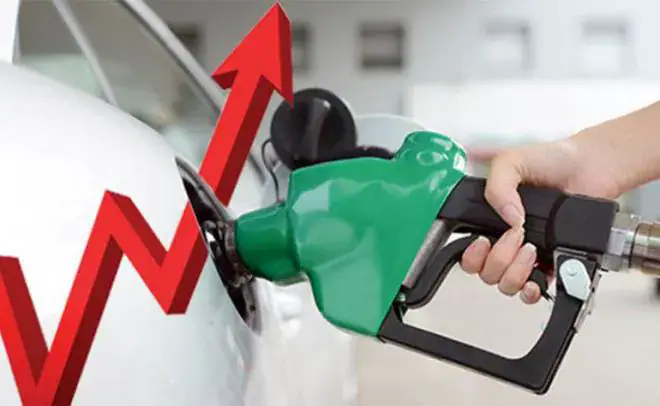
Tunisia's Ministry of Industry, Mines, and Energy is set to see a significant increase in its budget for 2027, rising by 48.2% to 7890.2 million dinars. This compares to 5325.6 million dinars in 2026, representing an increase of 2564.6 million dinars. The rise is primarily attributed to the global increase in oil prices and the subsequent rise in fuel subsidy costs.
The increase in budget is largely due to the global economic climate, with tensions and conflicts in the Middle East, along with disruptions in maritime navigation and attacks in the Strait of Hormuz, contributing to the rise in oil prices. As a result, the cost of fuel subsidies has increased substantially. In 2027, fuel subsidies are allocated 7090 million dinars, up from 4993 million dinars in 2026, marking a 42% increase.
The budget for interventions, which accounts for the majority of the ministry's expenditure, has risen by 48.6% to 7823.2 million dinars, compared to 5266.3 million dinars in 2026. This represents about 99% of the total budget for the ministry's tasks. Furthermore, developmental interventions have seen a significant increase, rising to 551.8 million dinars from 60.5 million dinars in 2026, an eight-fold increase.
The bulk of the budget increase is allocated to the energy sector, with 7200.1 million dinars set aside for energy programs in 2027, up from 5115.8 million dinars in 2026. The mining sector also sees a substantial increase, with 508.2 million dinars allocated, compared to around 8 million dinars in 2026. This significant rise is primarily due to allocations for the Tunisian Chemical Group.
Conversely, the budget for the industry program has decreased to 169.3 million dinars, down from 188.9 million dinars in 2026. The leadership and support program's budget has remained relatively stable at 15.3 million dinars. In terms of staffing costs, there is a 20% increase in leasing expenses, which will rise to 47.9 million dinars, up from 40 million dinars in 2026.
The ministry's budget also includes provisions for specific funds, with 129.4 million dinars allocated to special funds in the treasury. This includes 80 million dinars for the Competitiveness Support Fund, 45 million dinars for the Energy Transition Fund, and 4.4 million dinars for the Olive Oil Promotion Fund. These funds aim to support various initiatives, including reducing energy intensity and promoting renewable energy sources.
Looking ahead, the medium-term expenditure framework estimates that the ministry's expenditure will be around 7933.6 million dinars in 2028, before decreasing to 7656.6 million dinars in 2029. The ministry's budget for 2027 also includes plans for 106 new recruitments and various development projects aimed at supporting Tunisia's industrial and energy sectors.
Key points
- The 2027 budget for Tunisia's Ministry of Industry, Mines, and Energy has increased by 48.2% to 7890.2 million dinars.
- The increase is primarily driven by a rise in fuel subsidies due to global oil price hikes.
- The budget includes significant allocations for energy and mining sectors, as well as funds for specific initiatives aimed at promoting renewable energy and supporting industrial development.