Algeria's Minister of National Education, Mohamed Séghir Saïd, has revealed that the government is considering establishing a new body to oversee the construction of educational infrastructure. This move aims to streamline the process of building educational institutions and accelerate its pace. The allocated budget for this purpose in 2026 represents a significant increase compared to previous years.
Currently, the construction of educational institutions is carried out through three programs, with responsibilities divided among the ministries of housing, interior, and national education. The Ministry of National Education is responsible for monitoring the implementation of these projects and ensuring that they meet the required standards. Saïd has urged local authorities to involve members of parliament in determining the sector's needs for educational infrastructure and prioritizing them.
The education sector is expected to witness a peak in the number of students during the current and upcoming academic years, before gradually declining. This year, the first year of primary school has seen an enrollment of 1.1 million students, compared to 1.028 million last year. The total number of students has reached 11,983,494, distributed across 30,868 educational institutions, including 21,512 primary schools, 6,455 middle schools, and 2,901 high schools.
Saïd emphasized that the sector is committed to ensuring that all children with known identities and official documents are enrolled in school. The registration process is carried out through a digital system, and educational institutions are responsible for enrolling children of refugees from neighboring countries without discrimination.
To address the issue of teacher stability, the Ministry of National Education has adopted a three-stage mobility process, allowing teachers to transfer within their wilaya, then between wilayas, and finally through inter-wilaya exchanges. This mechanism enables teachers to move according to their preferences and available positions, based on digital processing of requests and priority criteria.
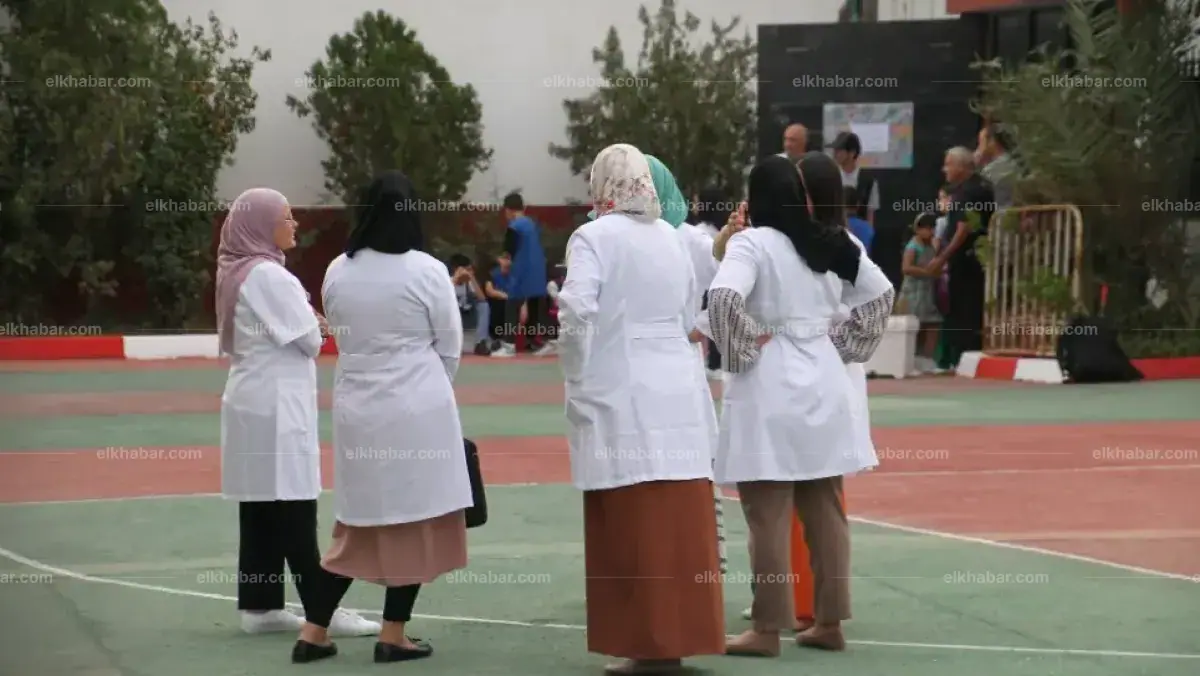
In the context of addressing teacher shortages in certain regions, particularly in the southern wilayas, Saïd stated that the ministry adopts local recruitment and contracting at the municipal level to bring teachers closer to educational institutions and their places of residence. However, difficulties in providing certain specializations have led to the opening of recruitment at the national level, allowing teachers willing to work in Adrar, Janta, and other southern regions to join educational institutions.
The minister stressed that ensuring teacher stability and providing suitable working conditions are among the sector's top priorities, guaranteeing the smooth operation of educational institutions and preventing any group from being left without education due to teacher shortages. The ministry is working to provide housing for teachers to encourage them to join these regions and strengthen pedagogical support.
Key points
- The Algerian government is working to address teacher shortages in southern regions by opening recruitment to teachers from northern regions.
Reporting sources
- فتح مدارس الجنوب أمام أساتذة الشمال · El Khabar