Algeria is set to enter the commercialization phase of phosphate concentrate in the first quarter of 2027, as announced by the country's president, Abdelmadjid Tebboune, during a meeting focused on fertilizer production. This development is part of a larger strategy to leverage Algeria's mineral resources and boost its economy. The project aims to reduce the country's reliance on imported fertilizers and increase its exports of non-hydrocarbon products.
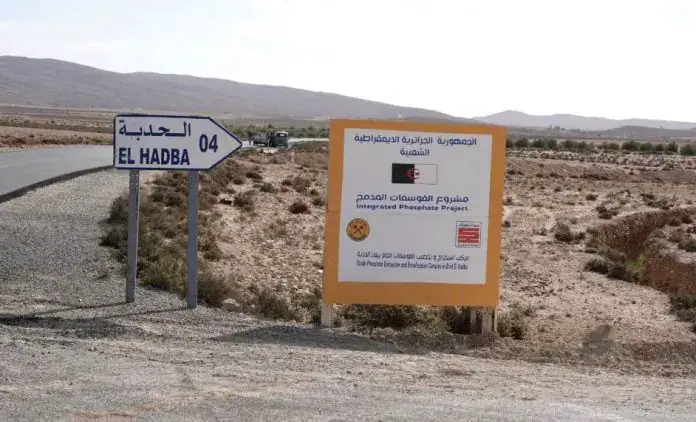
The Bled El-Hadba mine, expected to start production by the end of 2027, will play a crucial role in achieving this goal. According to the Presidency of the Republic, with the mine's production, Algeria will no longer need to import fertilizers and fertilizer compounds by 2028. This project is a key example of Algeria's efforts to create a diversified economy and reduce its dependence on hydrocarbon revenues.
The integrated phosphate project, led by the Sonatrach group, involves the extraction and enrichment of phosphate from Bled El-Hadba, followed by its transformation into fertilizers. The project will be implemented in phases, with the first phase including the construction of an extraction and enrichment complex with a capacity of 5.5 million tons per year. The complex will produce 3.2 million tons of phosphate concentrate annually.
The project also includes the development of a production complex for phosphated and nitrogenous fertilizers, with a capacity of 2.4 million tons per year and 570,000 tons per year, respectively. The complex will be built in Oued Keberit, and the necessary infrastructure, including port facilities in Annaba, will be developed to support the export of excess fertilizers.
The integrated phosphate project is expected to have a significant impact on Algeria's economy and employment market. According to Sonatrach, the project will create thousands of direct and indirect jobs, stimulate economic development in the regions concerned, and consolidate national industrial capacities.
The project is also seen as a strategic lever for strengthening national sovereignty, as it will ensure a sustainable production of fertilizers for the domestic market while increasing exports. This, in turn, will contribute to the country's food security and wealth creation. President Tebboune has emphasized the importance of this project, instructing the minister of public works and basic infrastructure to accelerate the implementation of related public works projects.
The development of the phosphate sector is part of Algeria's broader strategy to diversify its economy and reduce its reliance on hydrocarbon revenues. The country's president has repeatedly highlighted the importance of large-scale projects in strengthening the national industrial fabric and promoting non-hydrocarbon exports. The extension of the Annaba phosphate port is also a priority, with significant attention being devoted to its development.
Key points
- Algeria aims to become self-sufficient in fertilizer production by 2028.
- The Bled El-Hadba mine is expected to start production by the end of 2027.
- The integrated phosphate project will create thousands of jobs and stimulate economic development.
Reporting sources
- COMMERCIALISATION DU PHOSPHATE CONCENTRÉ ET PRODUCTION DES ENGRAIS : Bled El-Hadba arrive à grands pas · lecourrier-dalgerie.com