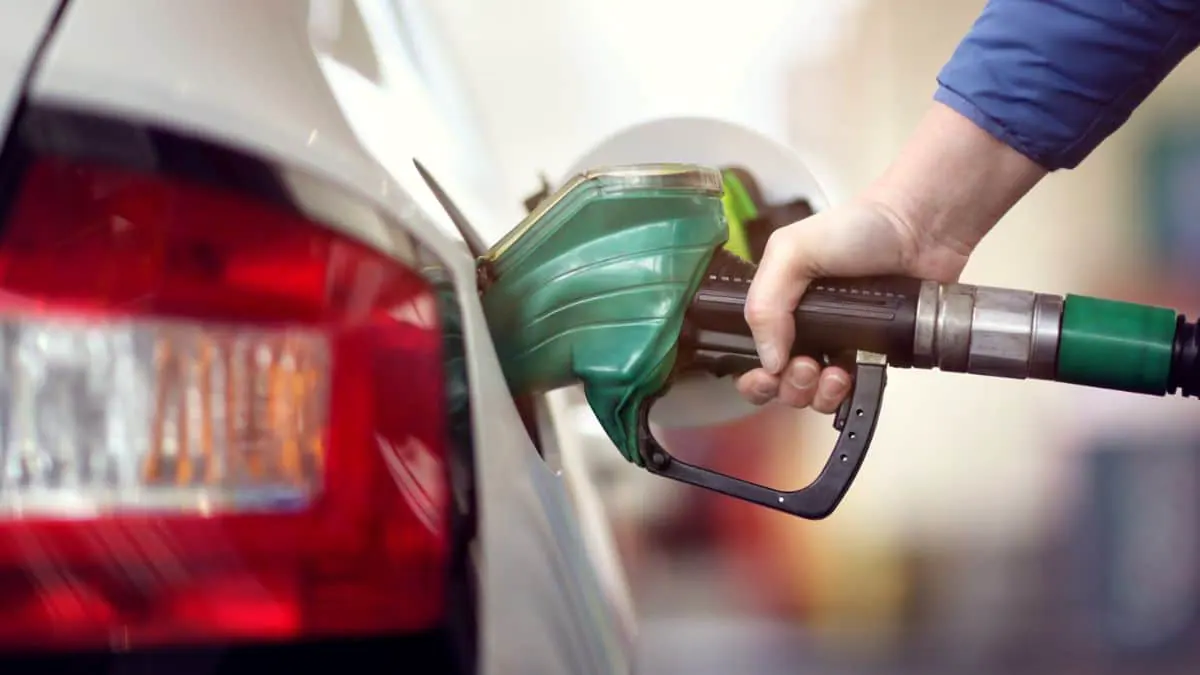
The recent surge in fuel prices worldwide, particularly in France and the United States, has not impacted Algeria. The country's strategy, adopted in recent years, prioritizes self-sufficiency in petroleum products. As a result, Algeria has transformed from an importer of diesel and gasoline to a producer that meets its own demands, with subsidized fuel. This approach has allowed Algeria to maintain stable fuel prices.
In contrast, France has experienced record-high fuel prices. As of September 18, diesel was sold at an average of 2.39 euros per liter, and gasoline at 2.17 euros. The conflict in the Middle East has led to a significant increase in oil prices, exceeding $100 per barrel. This has resulted in a 38% increase in diesel prices in France compared to pre-war levels. Experts warn that prices may reach 3 euros per liter by the end of the year.
The Algerian government has successfully maintained affordable fuel prices, with gasoline sold at 47 dinars (0.31 euros) per liter and diesel at 31 dinars (0.20 euros). The country's self-sufficiency in petroleum products is a significant achievement, considering its growing demand. Algeria consumed 15 million tons of fuel in 2024, with 11 million tons being diesel. The demand is expected to reach 41 million tons by 2050.
Algeria's refining capacity has increased substantially in recent years, enabling the country to meet its domestic demands. The country has five major refineries and a condensate processing unit. A new mega-refinery is under construction in Hassi Messaoud, with a capacity of 5 million tons per year. Additionally, Algeria acquired a refinery in Italy in 2018, which has become profitable after rehabilitation investments.
The Algerian government's strategy to align production with growing demand has yielded positive results. In 2024, the country's production of petroleum products reached 30.5 million tons, a 4.4% increase from 2023. This growth has allowed Algeria to not only meet its domestic demands but also export surplus products. The country has become the primary supplier of naphtha to South Korea, surpassing the United Arab Emirates.
President Abdelmadjid Tebboune has highlighted Algeria's self-sufficiency in fuel as a significant achievement. The country's approach has shielded it from the global fuel crisis, which has had far-reaching consequences for many nations. Algeria's experience serves as an example of effective strategic planning and investment in the energy sector.
As the global fuel crisis continues to escalate, Algeria's stability in the energy sector is a notable exception. The country's continued investment in refining capacity and production will likely ensure its self-sufficiency in petroleum products for years to come. With its fuel prices among the lowest in the world, Algeria remains a model for effective energy policy.
Key points
- Algeria's self-sufficiency in petroleum products has shielded it from the global fuel crisis.
- The country's refining capacity has increased substantially, enabling it to meet domestic demands.
- Algeria's fuel prices remain among the lowest in the world, thanks to government subsidies.