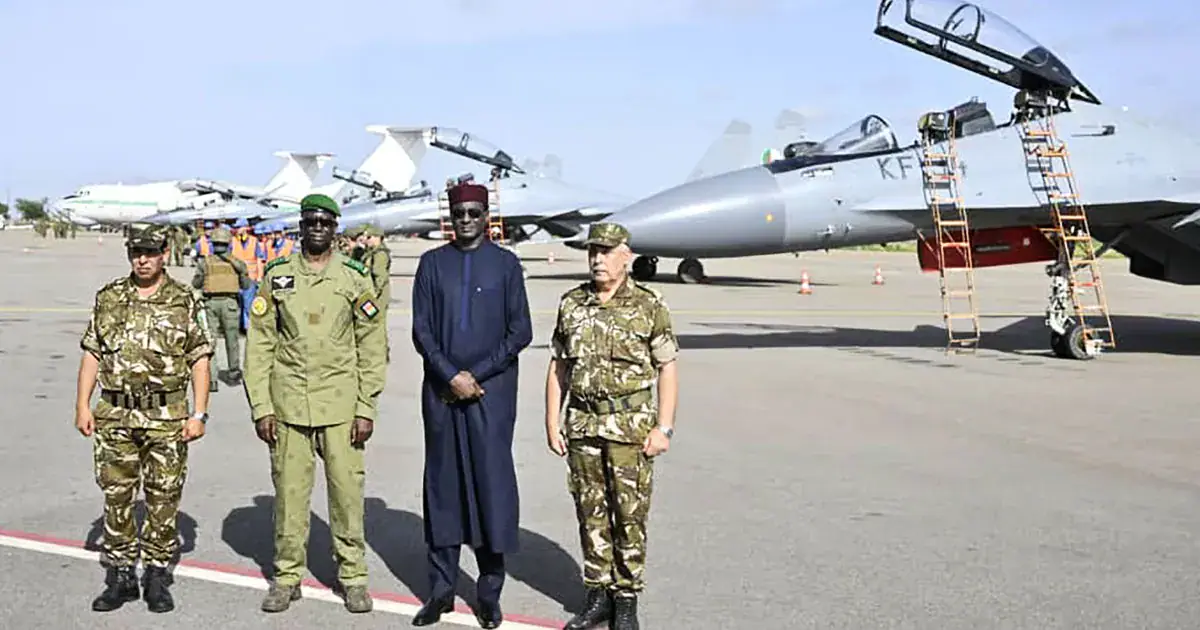
In a historic move, Algeria has deployed troops to Niger, marking the first time its military has been sent abroad since 1973. The deployment, aimed at protecting oil and gas infrastructure, has significant implications for the region. Algeria's decision to send troops to Niger comes as the country faces growing instability, with militant groups operating in the area. The move is seen as a major shift in Algeria's foreign policy, which has traditionally emphasized non-interference in the affairs of other countries.
The deployment of Algerian troops to Niger was made possible by a revision to the Algerian Constitution in 2020, which allowed for the deployment of troops abroad with the approval of two-thirds of parliament. The move was approved by parliament on October 25, with 148 out of 174 votes in favor. Algerian President Abdelmadjid Tebboune signed the deployment order the following day. The number of troops deployed and the duration of their stay have not been disclosed.
The relationship between Algeria and Niger has improved significantly in recent months. In February, Nigerien junta leader General Abdourahamane Tiani visited Algeria, and Tebboune declared that the two countries were "in the same trench." Algeria has since provided significant support to Niger, including the deployment of a 40 MW power plant and the delivery of military helicopters. The two countries have also signed a protocol of military cooperation.
Algeria's interests in Niger are multifaceted. The country is keen to protect its investments in the region, including a major gas pipeline project that aims to connect Nigerian gas fields to the Algerian Mediterranean coast. The pipeline, estimated to cost around $13 billion, has been delayed due to instability in Niger. Algeria also has significant oil interests in the region, particularly near the Kafra oil field near the Algerian border.
The security situation in Niger is a major concern for Algeria. The country shares a 951 km border with Niger, which has been vulnerable to militant attacks and arms trafficking. Algeria has experienced its own share of militant violence in the past, including the "black decade" of the 1990s. The Algerian government is keen to prevent a similar situation from unfolding in Niger.
The deployment of Algerian troops to Niger has significant implications for the region. The move is seen as a challenge to other regional players, including Morocco, Turkey, and Russia, which have been vying for influence in the Sahel region. The Algerian military presence in Niger also provides a boost to the Nigerien military, which has been struggling to contain militant groups.
The future of the Algerian deployment in Niger remains uncertain. While the move has been welcomed by the Nigerien government, there are concerns about the potential risks and challenges associated with the deployment. The situation in the Sahel region remains volatile, and it is unclear how long Algerian troops will remain in Niger. One thing is certain, however: Algeria's decision to deploy troops to Niger marks a significant shift in its foreign policy and its approach to regional security.
Key points
- Algeria has deployed troops to Niger to protect oil and gas infrastructure amid regional instability.
- The deployment marks a significant shift in Algeria's foreign policy, which has traditionally emphasized non-interference in the affairs of other countries.
- The move has significant implications for the region, including a potential challenge to other regional players vying for influence in the Sahel.