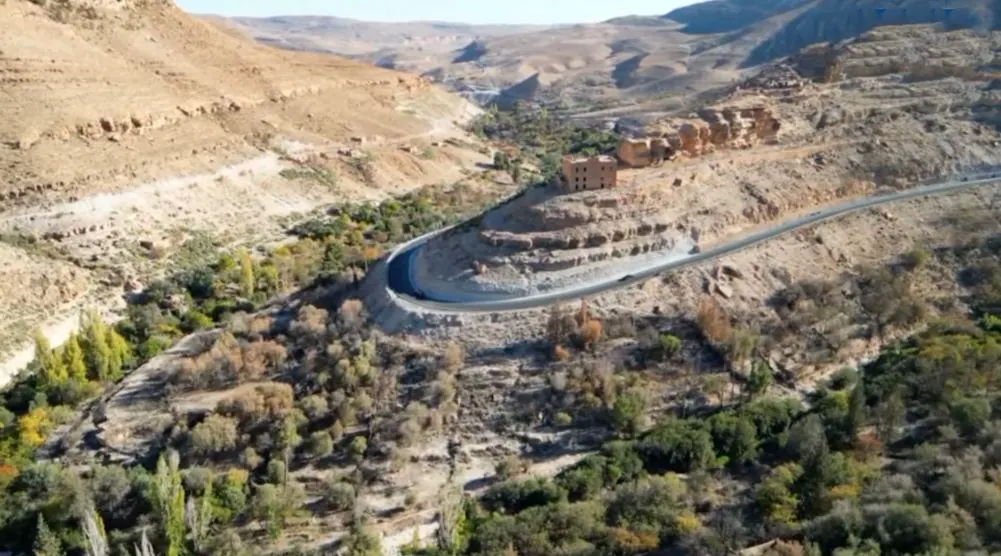
Tebaardqa, affectionately known as "Little Constantine" by locals and visitors, is a picturesque village in Algeria's Khenchela province. This natural wonder boasts breathtaking mountain scenery, lush greenery, and crystal-clear waters, making it a sought-after destination for those seeking tranquility and natural beauty. However, the region is currently facing a pressing issue - a severe water shortage that has left its mark on the local ecosystem.
The water shortage in Tebaardqa has resulted in the drying up of "Ain El Hammam," a spring that once flowed abundantly through the region's irrigation channels, sustaining the land and preserving the trees. The valley, which was once a lifeline for the area, now struggles with limited water resources, directly impacting agricultural activities and putting the trees at risk of drought. This dire situation has raised concerns among locals and environmental enthusiasts.
The scarcity of water in Tebaardqa has sparked an outcry from residents and those passionate about preserving the region's natural beauty. They are urging local authorities and relevant sectors to intervene before the water crisis escalates into an environmental disaster that could threaten one of Khenchela's most important tourist attractions. The primary demand, according to Merad, a young local resident, is to support the irrigation channels by drilling an artesian well dedicated to agricultural irrigation.
The proposed artesian well would provide a sustainable water source, helping to rescue the trees and preserve the agricultural land, while gradually reviving the green spaces that characterize Tebaardqa. Merad emphasizes that this is not solely an agricultural issue but also a matter of preserving the region's natural and tourist attractions, as the area's lush landscapes, trees, and waters form an integral part of its tourist appeal.
Residents of Tebaardqa fear that prolonged drought and water scarcity could lead to a decline in green spaces and damage to fruit trees and plants that have withstood harsh climatic conditions for years, potentially eroding the region's unique natural charm that draws visitors. With growing interest in mountain and nature tourism, there is an urgent need to protect such sites, not only by promoting them but also by addressing critical issues like the current water shortage.
As the situation in Tebaardqa continues to unfold, it highlights the delicate balance between preserving natural attractions and addressing environmental challenges. The region's reliance on water as a vital component of its ecosystem and tourist appeal underscores the need for sustainable solutions to ensure its long-term conservation. Efforts to address the water shortage will be crucial in safeguarding Tebaardqa's future as a premier tourist destination.
The plight of Tebaardqa serves as a reminder of the importance of responsible environmental management and the need for proactive measures to mitigate the impact of climate-related challenges on fragile ecosystems. By working together to address the water shortage, stakeholders can help preserve the natural beauty of Tebaardqa and ensure its continued appeal to tourists and nature lovers alike.
Key points
- Tebaardqa faces severe water shortage, threatening its ecosystem and tourist appeal.
- Locals urge authorities to drill an artesian well to support agricultural irrigation and preserve the region's natural beauty.
- The water crisis highlights the need for sustainable environmental management and proactive measures to protect fragile ecosystems.