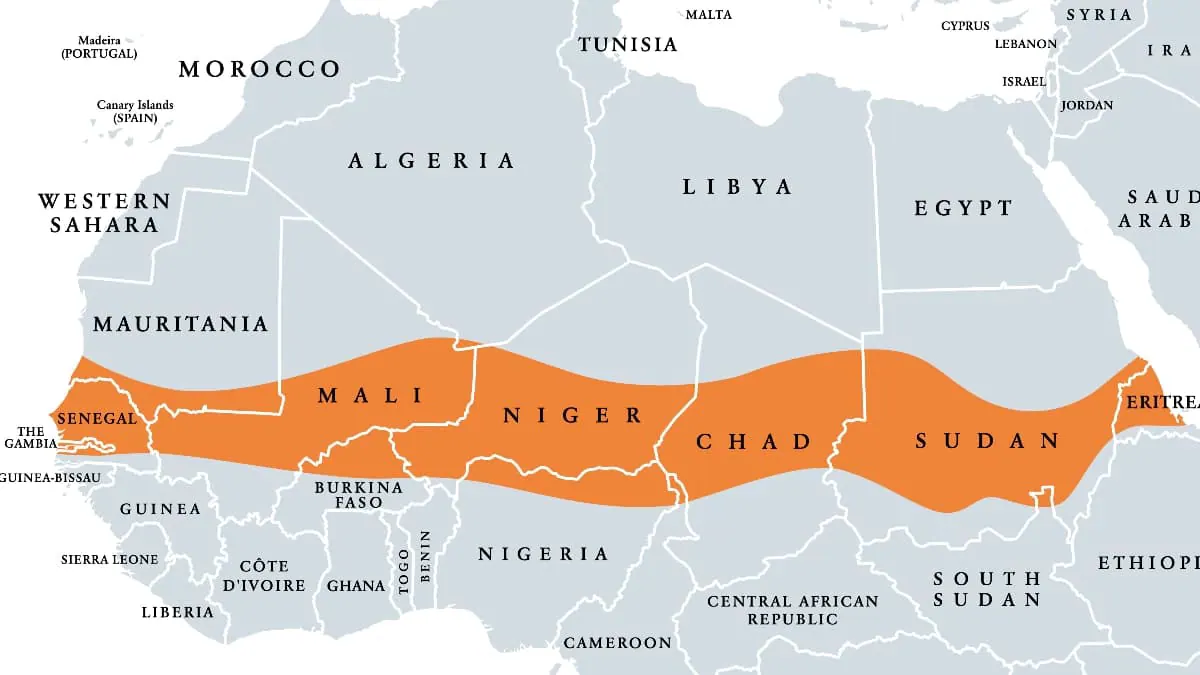
Algeria's approach to the Sahel region is rooted in a security doctrine established in 1962, focusing on preventing crises and destabilization from reaching its southern borders. This strategy is built on geographical and human proximity, border protection, and preventing destabilization. Since gaining independence, Algeria has viewed Tuareg rebellions in Mali as a potential threat, driving its involvement in key Malian agreements, including the 1991 Tamanrasset agreement, the 1992 National Pact, the 2006 accord, and the 2015 agreement.
Algeria's role as a mediator in the region has been impacted by Mali's denunciation of the 2015 agreement in 2024. To restore its position, Algeria is prioritizing dialogue with Bamako, as seen in the visit of Prime Minister Sifi Ghrieb to Mali on September 14, 2026. This renewed dialogue aims to focus on border security, trade, and institutional exchanges while keeping mediation open to all parties involved. This approach seeks to avoid perceptions of Algeria seeking to reassert its former diplomatic leadership.
Niger constitutes the second pillar of Algeria's strategic depth in the Sahel. The shared border directly connects security, energy, trade, transportation, and migration flows. In August 2026, Algeria sent four Su-30 fighter jets and a refueling aircraft to support the Nigerien army against a destabilization attempt. This deployment signifies a new doctrine in Algeria's Sahel strategy, emphasizing that the stability of neighboring states is directly linked to Algerian security interests.
Algeria's military engagement in the Sahel is complemented by its economic interests. Projects such as the trans-Saharan gas pipeline, trans-Saharan road, fiber optic connections, energy infrastructure, and logistics platforms depend on regional stability. Algeria aims to transform its historical and security relationships with Mali and Niger into interdependence based on infrastructure, trade, and energy. The Tijaniya Sufi brotherhood, originating in Algeria's Sahara, offers an additional avenue for influence.
The Tijaniya brotherhood has spread to several West African countries, including Senegal, Mauritania, Mali, Guinea, and Nigeria. Algeria can leverage this historical and cultural depth to enhance its presence in the region. However, during periods of stagnation, particularly under former President Bouteflika, Algeria failed to capitalize on this cultural and spiritual heritage, allowing Morocco to invest in this space.
Morocco has developed close relationships with prominent Tijaniya families and figures, transforming its historical ties to Fès into a network of religious, cultural, and diplomatic influence. Algeria must now mobilize its considerable historical capital and better utilize its zaouïas, religious institutions, and historical networks to reconnect with Tijaniya communities across the continent.
Algeria faces competition from the United Arab Emirates, Morocco, and Israel, which are pursuing distinct but convergent strategies in the Sahel. These countries are active in diplomacy, economy, military, security, and technology, seeking to limit Algeria's regional influence. Their approach includes creating local relays to contest and hinder Algerian presence and spread unfavorable narratives.
Key points
- Algeria prioritizes dialogue and cooperation with Mali and Niger to restore stability in the Sahel region.
- The Tijaniya Sufi brotherhood offers Algeria an opportunity to enhance its cultural and spiritual influence in West Africa.
- Algeria faces growing competition from the UAE, Morocco, and Israel in the Sahel, which are seeking to limit its regional influence.