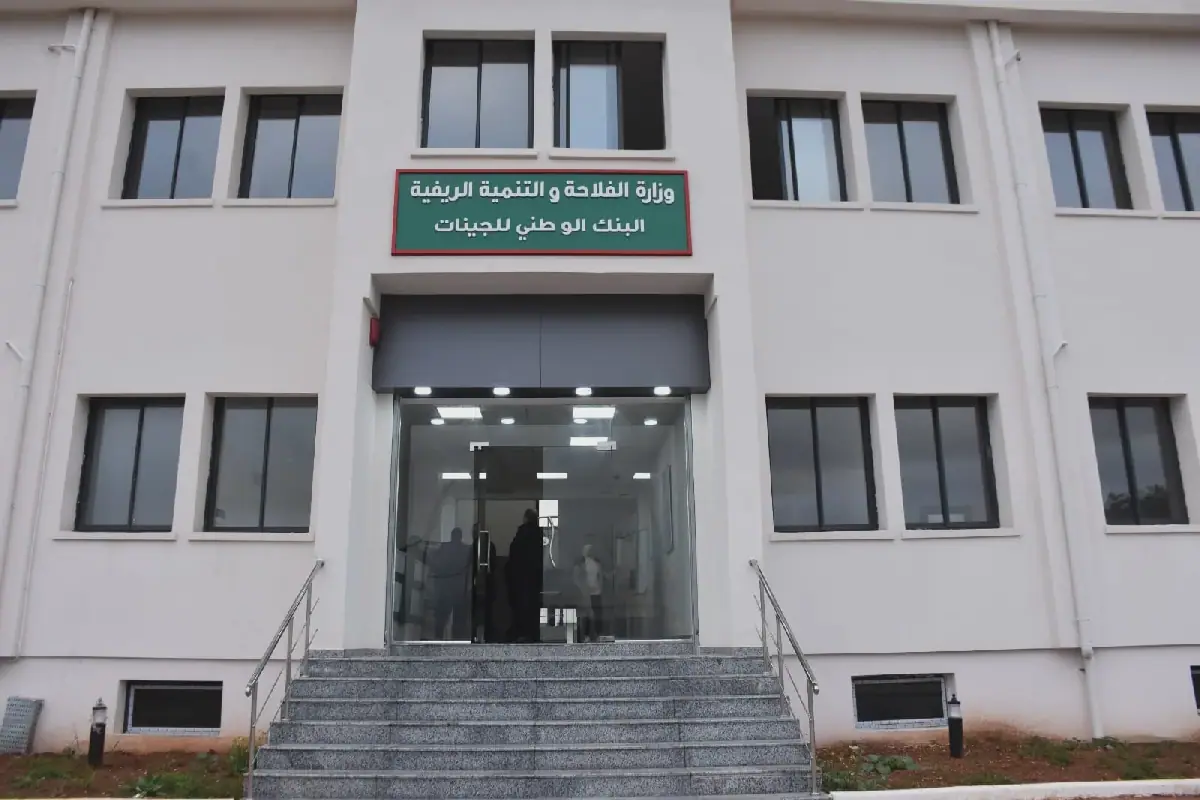
Algeria's National Gene Bank is expected to become operational in 2027, following the completion of construction works and the acquisition of necessary scientific and laboratory equipment. The project aims to preserve the country's plant, animal, and microbiological genetic heritage, develop the national seed industry, and enhance food security. The bank's launch was announced by Minister of Agriculture, Rural Development, and Fisheries, Sid Ali Khaldi, during a plenary session at the National People's Assembly.
According to Minister Khaldi, the buildings for the gene bank have been completed, and a significant portion of the scientific and laboratory equipment has been acquired. The second phase of equipment installation is currently underway. The minister emphasized that his department is giving special attention to this project, which will enable the development of a national strategy for preserving and valorizing genetic resources.
The National Gene Bank will play a crucial role in developing plant varieties adapted to climate change, thereby strengthening Algeria's food sovereignty and enabling the country to honor its international commitments on biodiversity. The project is also included in the draft law on agricultural orientation and food sovereignty, highlighting its importance in conserving genetic resources and making them available to research institutions.
The gene bank will contribute significantly to the development of scientific research in the field of plant variety improvement programs. Minister Khaldi revealed that work is underway to draft a regulatory text governing the bank's activities, ensuring its effective operation. The project aligns with Algeria's efforts to boost its agricultural sector and achieve self-sufficiency in food production.
The National Gene Bank is part of Algeria's broader strategy to enhance its agricultural industry and ensure food security. The country aims to develop its seed industry, reducing reliance on imports and promoting the use of locally adapted crop varieties. By preserving and valorizing its genetic resources, Algeria can improve crop yields, increase food production, and mitigate the impacts of climate change.
Minister Khaldi's announcement underscores the government's commitment to investing in the country's agricultural sector. The National Gene Bank is one of several initiatives aimed at modernizing and strengthening Algeria's agriculture industry. The project is expected to have a positive impact on the country's food security, economy, and environment.
As Algeria prepares to launch its National Gene Bank, the country is poised to make significant strides in preserving its genetic heritage and promoting sustainable agricultural practices. The bank's operationalization in 2027 marks an important milestone in Algeria's efforts to achieve food sovereignty and reduce its reliance on external sources of food production.
Key points
- The National Gene Bank will enable Algeria to develop plant varieties adapted to climate change, strengthening its food sovereignty and international commitments on biodiversity.
Reporting sources
- La Banque nationale de gènes « opérationnelle » en 2027 · Algérie-éco