The campaign for Algeria's legislative elections, set to take place on June 12, officially began on Thursday. This comes three months after President Abdelmadjid Tebboune announced the dissolution of the National People's Assembly (APN) and called for early elections. Tebboune encouraged young people to participate in the electoral process. A total of nearly 1,500 lists of candidatures have been approved by the Independent National Electoral Authority (ANIE). Over half of these lists are presented by independent candidates.
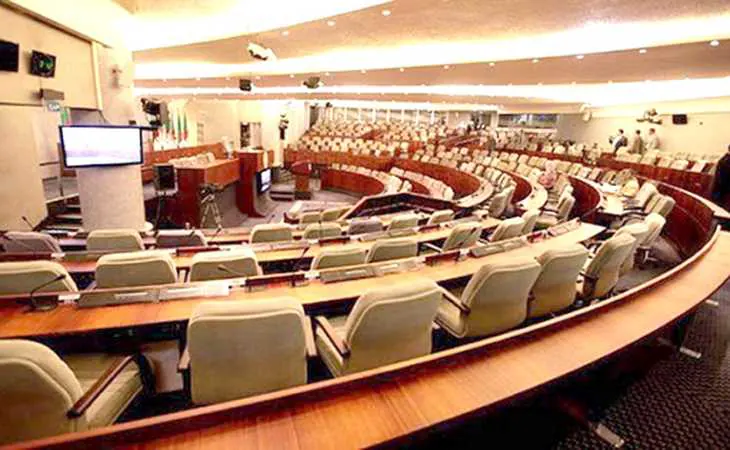
The approved candidatures mark a significant shift in Algeria's political landscape, with independent candidates outnumbering those from political parties. This trend is seen as a new force in Algerian politics. According to analysts, this change may lead to a new political scene emerging, with new actors who have chosen to run in the elections without party affiliation. The dominance of parties in the APN, with only a handful of independents, may be coming to an end.
The campaign will run for three weeks, during which candidates will engage in various activities such as rallies, meetings, and sensitization encounters to convince voters to cast their ballots. The candidates are expected to travel across the country to promote their platforms and persuade voters to make the "right choice." The elections will determine the composition of the APN, which has been dominated by parties in the past.
Notably, some independent candidates are former militants of opposition parties that are boycotting the elections. Additionally, political parties have included non-party members on their lists, justifying this decision as a way to prioritize the country's interest and tap into new skills. However, this trend may also be motivated by a desire to increase their chances of success by presenting new faces that are more acceptable to voters.
The campaign is taking place under a new electoral law that prohibits candidates from receiving donations from public or private entities, as well as from abroad. The law also sets a spending limit for candidates and parties and establishes a control mechanism for financing. A commission has been created within the ANIE to oversee campaign finances and ensure transparency.
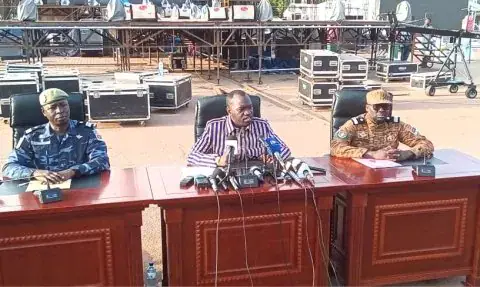
To encourage young people to participate in politics, the state will cover the campaign expenses of young independent candidates. The president of the ANIE has met with representatives of 16 political formations and independent lists to discuss concerns related to the electoral process. The meeting highlighted issues such as the revocation of certain candidatures and the management of campaign financing.
The outcome of the elections may lead to a significant change in the composition of the APN, with independents potentially playing a more prominent role. The new electoral law aims to promote transparency and accountability in the electoral process. The elections will be a crucial test for Algeria's democracy and its efforts to engage young people in the political process.
Key points
- Independent candidates outnumber party-affiliated candidates in Algeria's legislative elections.
- The new electoral law prohibits donations from public or private entities and sets a spending limit for candidates and parties.
- The state will cover campaign expenses for young independent candidates to encourage their participation in politics.