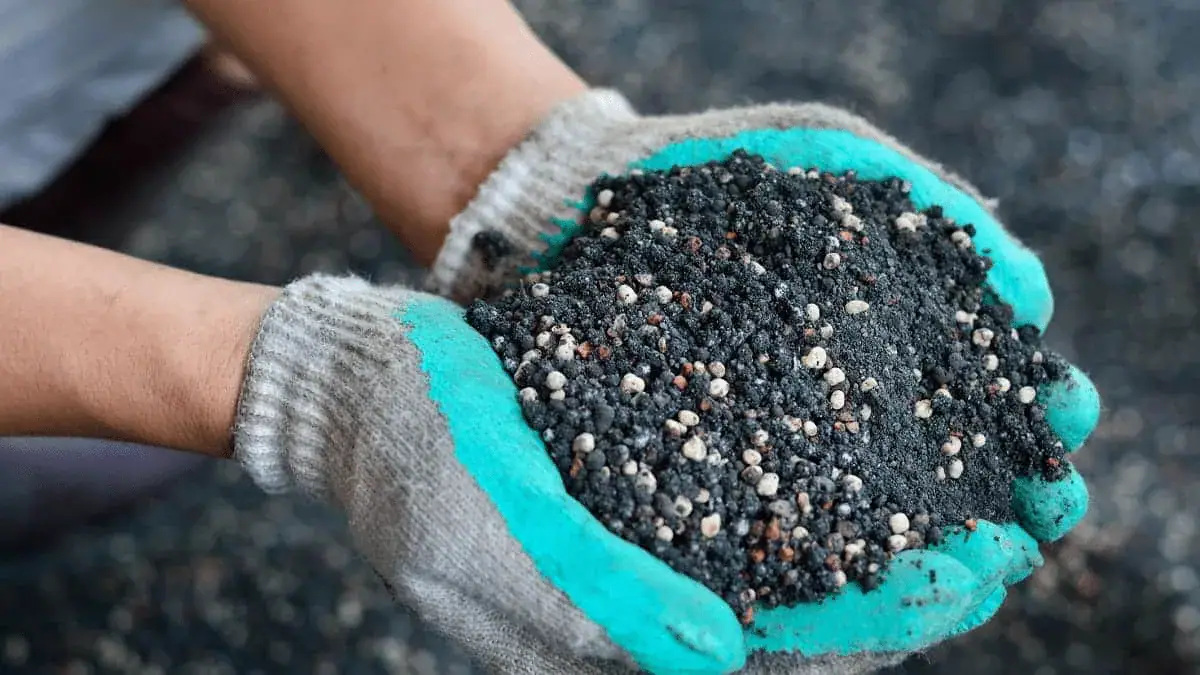
Algeria aims to become a major player in the strategic fertilizer and fertilizer sector. The government, through the public group Asmidal and its subsidiary Fertial, is investing heavily to make the country a regional hub in the industry. Fertial has launched a large-scale rehabilitation and modernization program for its ammonia and nitrogenous fertilizer units. The project, worth $35 million, is primarily financed by the company's own resources, with partial support from Asmidal, without resorting to bank loans.
The investment comes after a difficult period marked by reduced production capacity and insufficient investment in equipment renewal. Fertial's CEO, Riyad Sayad, stated that the company now prioritizes resource valuation, cost control, and the use of Algerian expertise. The rehabilitation operations involve 25 national companies, including start-ups, and 440 Algerian workers and technicians. The program includes 79 major technical interventions on industrial equipment.
The project aims to significantly improve the industrial performance of the complex. Daily ammonia production, which was between 550 and 600 tonnes before 2024, has already increased to around 750 tonnes. The goal is to exceed 900 tonnes, with an ambition of 1,000 tonnes per day. Fertial also plans to increase the availability rate of its installations from 64% to 87%, while ensuring regulatory compliance of all concerned equipment.
Energy consumption is a major challenge. The program aims to reduce specific natural gas consumption to less than 1,300 m³ per tonne of ammonia produced, down from current levels. This optimization should also improve the profitability of the complex. Economic projections estimate cumulative gains of over 16.77 billion dinars over five years.
In parallel with the modernization of production units, Fertial has initiated the renewal of several ammonia transport infrastructures in Annaba. The work includes replacing 3.6 kilometers of gaseous ammonia pipelines and rehabilitating liquid ammonia transport installations. These interventions are part of a coordination approach with the Annaba port phosphate terminal project, launched as part of the Bled el Hadba phosphate project.
The renovation program, which began on September 9, 2026, is expected to continue until February 28, 2027. Fertial also aims to diversify its offer by developing new fertilizer formulations adapted to the national market's needs. One of the tracks being explored is the production of nitrate ammonium nitrogen, an alternative to urea, which is particularly gas-intensive.
Through these various projects, the complex aims to consolidate its position in the national fertilizer market while contributing to the agricultural sector's supply and the country's food security objectives. The investment is part of Algeria's efforts to become a major player in the fertilizer industry.
Key points
- Fertial's $35 million investment aims to increase ammonia production and reduce energy consumption.
- The project involves 25 national companies and 440 Algerian workers and technicians.
- The program aims to improve the complex's profitability and contribute to Algeria's food security objectives.