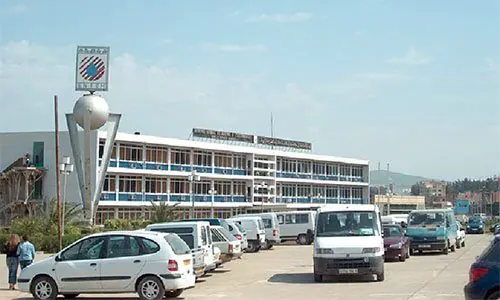
The ENIEM factory in Tizi Ouzou, Algeria, will come to a complete halt on February 2, leaving 1,700 workers facing uncertain futures. The decision to suspend production was made due to the depletion of raw materials and a freeze on credit lines. Despite efforts by the company's management to secure funding, the situation remains unchanged. The factory's workers will be placed on technical leave or forced to take unpaid leave.
The factory's management and worker committee held an emergency meeting to address the crisis. They expressed regret over the situation, citing failed attempts to secure funding from the Banque Extérieure d'Algérie (BEA) and the Ministry of Industry. A plan to revive production was presented, but it has yet to be implemented. The company's CEO, Djilali Mouazer, signed a note stating that the factory's financial struggles have resulted in a shortage of raw materials and CKD kits.
The factory's workers will have three options for their leave: using accumulated leave, taking unpaid leave, or going on technical leave. In the event of technical leave, workers will receive their base salary and professional experience allowance. The management hopes to avoid this scenario but sees it as a last resort. The factory's production halt may last until April, depending on whether the BEA releases the necessary funds.
The ENIEM factory, one of Algeria's oldest industrial complexes, has never faced a crisis of this magnitude. Established during the country's industrialization drive in the 1970s, the factory has struggled to adapt to changing market conditions. Its CEO attributes the current crisis to a conjunctural downturn rather than a fundamental flaw.
The factory's struggles have allowed competitors to gain market share. Import restrictions on finished appliances have limited competition, but the factory's inability to secure raw materials has hindered its ability to meet demand. The company's financial woes have raised concerns about its long-term viability.
The ENIEM factory's crisis is not unique, as many Algerian companies face similar challenges due to import regulations and limited access to credit. The country's economic situation has led to a decline in production and mounting debts. The factory's management hopes to find a solution to its financial struggles and restore production.
In July, the CEO warned that the factory risked disappearing if the situation did not improve. The current production halt may be a temporary setback, but the factory's future remains uncertain. The company's workers and management are working together to find a solution, but the road ahead appears challenging.
Key points
- The ENIEM factory's production halt is attributed to a shortage of raw materials and frozen credit lines.
- The factory's 1,700 workers will be placed on technical leave or forced to take unpaid leave.
- The company's management hopes to avoid a long-term shutdown but sees technical leave as a last resort.