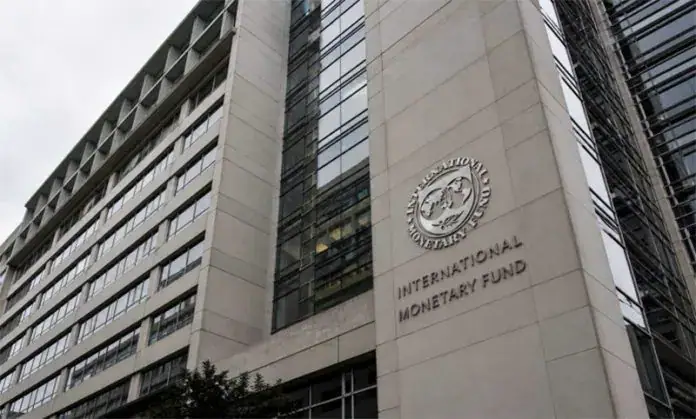
The International Monetary Fund (IMF) has noted significant progress in Algeria's economic diversification efforts, with a growing share of non-hydrocarbon exports in the country's external financial revenues. According to the IMF, this is a result of the government's strategy to implement large investment projects, increase production in non-hydrocarbon sectors such as mining, agri-food, and hydraulics, and improve transportation infrastructure and trade exchanges.
The IMF has welcomed Algeria's structural reforms, including the establishment of a single investment window and new provisions on economic land, as well as the simplification of procedures, strengthening of governance, and facilitation of trade exchanges. These reforms have helped to create a more favorable business environment, allowing companies to invest and develop. The single investment window, managed by the Algerian Agency for the Promotion of Investment (AAPI), is expected to be operational from January 2027.
The introduction of the single investment window has allowed for the dematerialization and acceleration of procedures for thousands of registered projects. Additionally, the transparent allocation of industrial land through a dedicated platform has responded to a pressing demand from private entrepreneurs. The stability provided by new laws has also offered better long-term regulatory visibility, an essential element for investor confidence.
Algeria's economy has long been dominated by hydrocarbons, which have provided the majority of the country's exports and a significant portion of its revenues. However, the IMF notes that it is essential for Algeria to diversify its economy and create new sources of growth to strengthen its resilience. The country's strategic location between Europe and Africa is seen as a significant advantage in this regard.
The IMF recommends that Algeria prioritize large infrastructure projects to maximize their economic returns. According to the IMF, the selection of projects is just as important as the amount of spending, and orienting funds towards the most economically viable projects would lead to more solid and sustainable gains. This would also help preserve the country's ability to finance priority projects.
The IMF emphasizes that the full benefits of current investments will depend on their ability to increase productivity, create jobs, and promote the development of a more dynamic private sector. Algeria has significant assets to build on, including its natural resources, investments, reforms, and links with African and European markets.
The IMF's experts explain that one of their primary responsibilities is to monitor the economic and financial policies of its member countries and provide advice, known as surveillance. The framework for this economic surveillance is defined in Article IV of the IMF's statutes.
Key points
- Algeria's economy is diversifying, with a growing share of non-hydrocarbon exports and an increasing contribution of non-hydrocarbon sectors to the country's GDP.
- The IMF recommends prioritizing large infrastructure projects to maximize their economic returns.
- Algeria's strategic location between Europe and Africa is seen as a significant advantage in promoting economic diversification and growth.