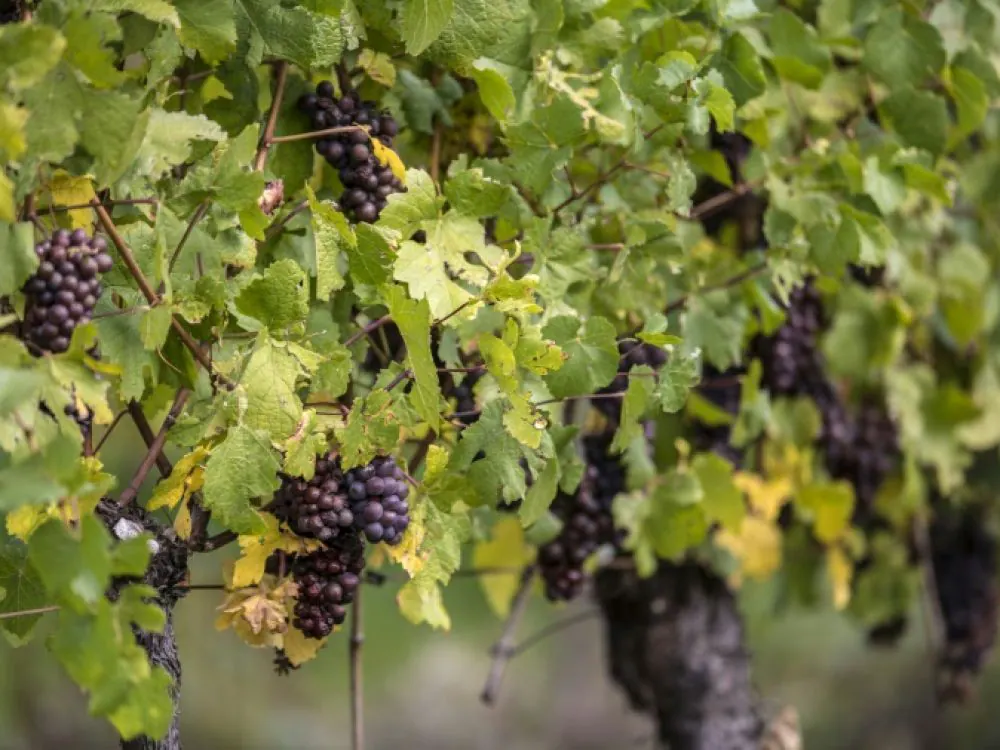
The viticulture sector in Algeria's Boumerdès region is facing significant challenges, despite a promising harvest. This season, the production of table grapes is estimated to be 2.5 million tons, a slight increase from last year. However, the sector has struggled to make progress, with production remaining low despite increased acreage. The region has a large area of vineyards, but the yield has not translated into higher production.
According to a viticulturist from Naciria, the sector is experiencing a paradoxical situation where more land is being cultivated, but yields remain low. He cited several factors contributing to this situation, including climate change, lack of resources, and the overuse of chemical inputs. The viticulturist noted that the hot and abnormal climate this summer, combined with forest fires, had a drastic impact on crops, particularly as the grapes began to ripen in June and July.
The viticulturist also highlighted the issue of irrigation, noting that only 5% of grape crops are irrigated, and many hill reservoirs have disappeared. He argued that the authorities have not taken the necessary steps to prevent their disappearance and recover rainwater. Additionally, the lack of awareness among farmers about using treated wastewater is another significant factor, with 95% of treated wastewater being discarded into nature.
The viticulturist also cited administrative delays, particularly regarding the purchase of fertilizers, which require a comprehensive dossier and can take weeks or even months to obtain. He noted that many viticulturists struggle to access inputs, pesticides, and treatments, which are often expensive and unaffordable. This has led to the spread of diseases such as mildew, which has caused significant damage.
The viticulturist called for training and education for farmers, particularly new entrants to the sector. He also highlighted the shortage of agricultural labor, which has led some farmers to rely on seasonal workers from other parts of the country. The issue of marketing and commercialization was also raised, with the region lacking a specialized and exclusive market for grapes despite being the country's leading producer.
The Boumerdès region, which accounts for around 45% of domestic demand, has a significant area of vineyards, with around 1,000 hectares of vines, including various varieties. However, the region lacks a dedicated market for grapes, and the annual Grape Festival is one of the few events dedicated to the product. A recent grape exhibition at the Boumerdès Youth Establishment Office (ODEJ) aimed to promote the different varieties of grapes.
The export of grapes from the region is also challenging due to the lack of preservation facilities during transportation to foreign countries. The perishable nature of grapes makes it difficult to export them. Despite these challenges, the sector has potential, and addressing these issues could help to boost production and commercialization.
Key points
- Algeria's Boumerdès region faces challenges in its viticulture sector despite a promising harvest.
- The sector struggles with low production, irrigation issues, and administrative delays.
- Addressing these challenges will require training, investment in infrastructure, and improved marketing and commercialization strategies.