The Center for Development of Advanced Technologies (CDTA) in Algeria has been a driving force in the country's technological advancements for over four decades. Established in 1982, the center has made significant contributions to various fields, including microelectronics, robotics, artificial intelligence, laser technology, materials science, optics, photonics, and telecommunications. With a strong focus on research and development, the CDTA has become a hub for innovation, providing solutions to pressing national issues.
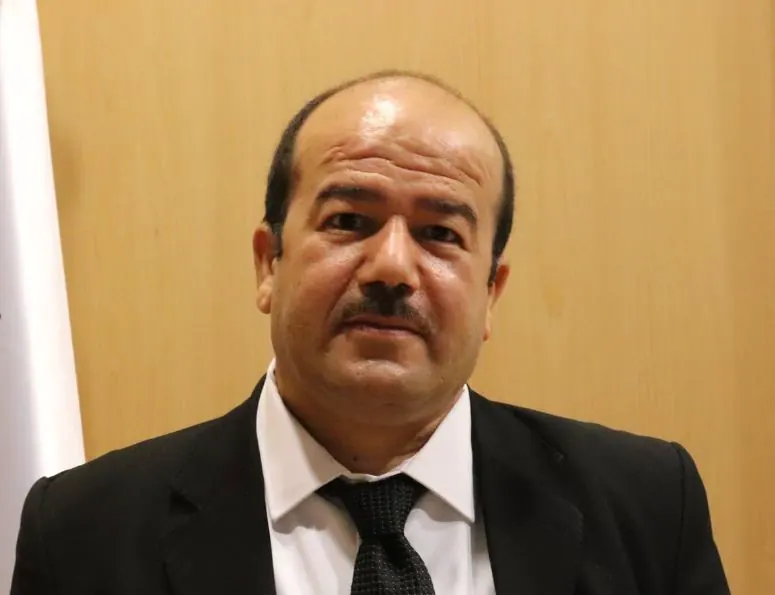
The CDTA's impact extends beyond its research facilities, with a new vision to convert accumulated knowledge into technologies, products, and services that cater to the needs of state institutions and the economy. The center's director, Dr. Mohamed Traiche, emphasizes the importance of investing in human capital, considered the crucial element in building a technological Algeria. With a team of 600 employees, including 300 researchers, engineers, and trainees, the CDTA boasts an impressive average experience of 25 years, enabling it to tackle complex technological projects.
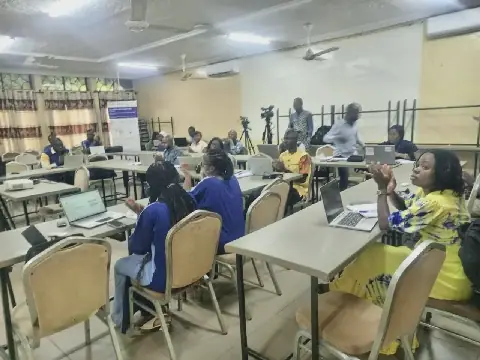
The CDTA has launched several initiatives to foster innovation and develop national expertise. One notable example is the exceptional doctoral training program, which brought together 150 students from 52 national universities. This program, supported by the Ministry of Higher Education and Scientific Research, aims to build a critical mass of skilled researchers and engineers. Additionally, the CDTA has introduced master's and bachelor's programs in specialized fields, such as electronic chip design and manufacturing.
One of the CDTA's notable achievements is the development of the "Al-Mahir" computer project in 1991. Although the project was not fully realized at the time, it laid the groundwork for the creation of the Algerian company, Saticom, which produced communication solutions for various sectors. The CDTA's experience with "Al-Mahir" demonstrates the potential of Algerian researchers to innovate and adapt technologies to national needs.
The CDTA has also made significant strides in environmental protection and disaster prevention. For instance, the center has developed a forest fire detection system, which has been tested in the Medea region and is set to be implemented in other areas. This technology has the potential to revolutionize early warning systems and response times for forest fires, a major concern in Algeria.
In the field of water resources and dam management, the CDTA has developed an underwater robot capable of mapping sedimentation in dams. This innovation enables the accurate determination of dam capacity and has been successfully tested at the Douira dam. The robot's potential applications extend to search and rescue operations in rivers and lakes.
The CDTA is also working on sensor technologies, a crucial component of modern applications, particularly artificial intelligence. The center has developed various sensors for real-time monitoring of infrastructure in several sectors, including public works, housing, transportation, and water resources. These advancements demonstrate the CDTA's commitment to harnessing technology to address Algeria's development challenges.
Key points
- The CDTA has developed over 50 technologies with an average experience of 30 years.
- The center has launched several training programs, including a doctoral program for 150 students from 52 national universities.
- The CDTA's innovations have the potential to transform various sectors, including environmental protection, water resources management, and disaster prevention.