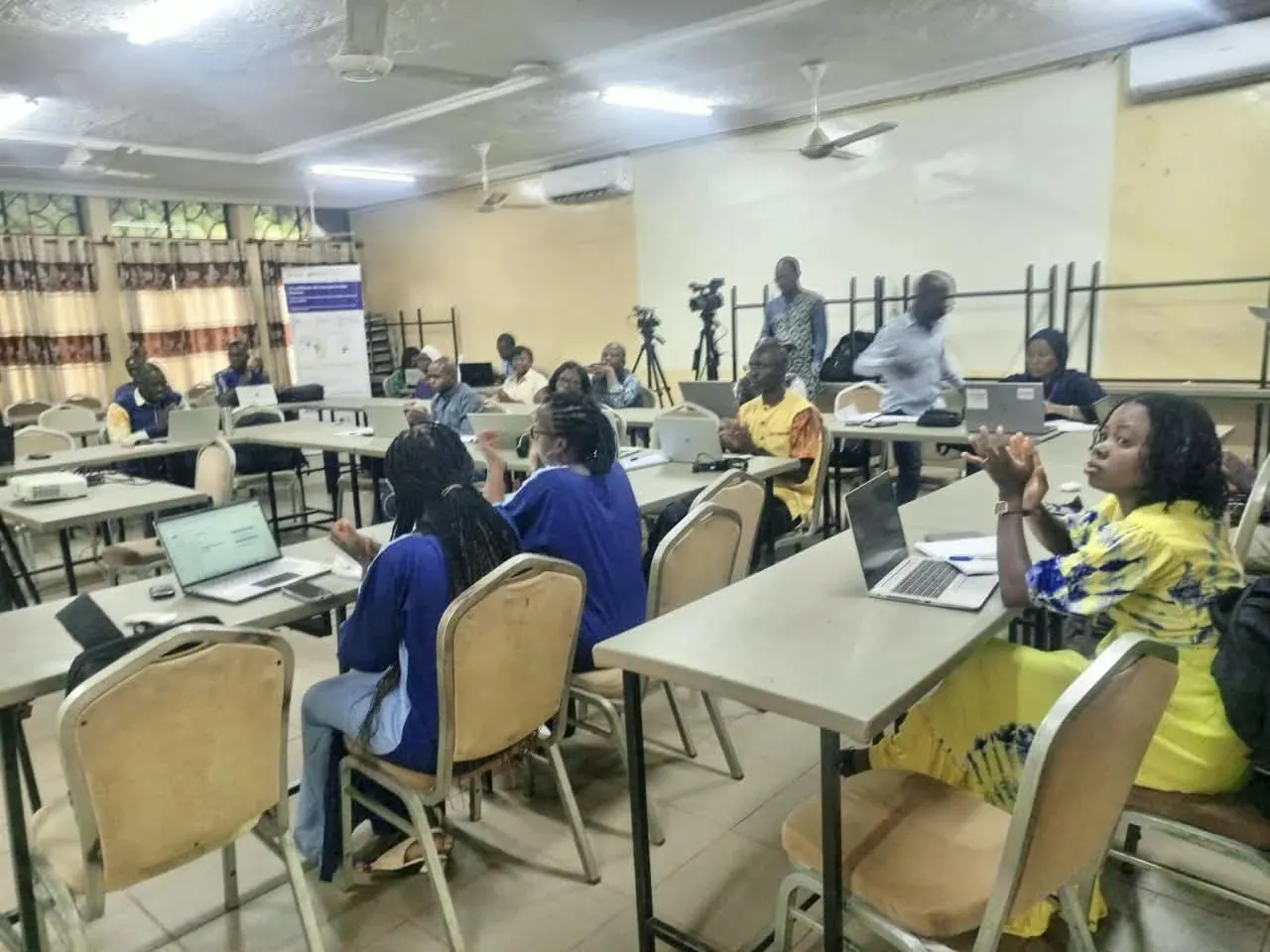
In Ouagadougou, Burkina Faso, a regional research project brought together nearly 40 researchers, partners, and national authorities to discuss public policies addressing climate change, water management, and sanitation challenges. The project, which spanned almost two years, focused on the link between governance of water, sanitation, gender, and climate change in Central and West Africa. The event aimed to share key findings and foster dialogue on inclusive and effective policies.
Souleymane Amadou Ouattara, Director General of Urban Planning and Topography in Burkina Faso, emphasized the importance of supporting scientific research in addressing urban challenges. He highlighted that urban areas are crucial for economic and social development, and that strategic planning is essential for sustainable growth. The research project aimed to provide valuable insights for improving the daily lives of city dwellers.
The research project underscored the critical role of women and young girls in social and economic development, particularly in their efforts to access clean water and sanitation. By integrating gender perspectives into urban planning, the project sought to alleviate the burden on women and promote more equitable development. This approach recognizes the disproportionate impact of water and sanitation challenges on women and girls.
A key innovation of the research project was its systemic approach, which simultaneously examined three critical dimensions: access to water, sanitation, and climate resilience. This comprehensive framework differs from traditional sectoral approaches, offering a more nuanced understanding of the complex relationships between these factors. By adopting this approach, the researchers aimed to provide more effective solutions to the challenges faced by communities.
Dr. Gountiéni Damien Lankoandé, a researcher and regional coordinator of the project, noted that administrative policies often lack clarity, leading to improvisation by local implementers. He emphasized the need for policymakers to consider the perspectives of local actors when designing policies, ensuring that strategies are aligned with practical realities. This would enable more effective implementation and better outcomes.
The research project found that West and Central African countries have made progress in formulating policies and deploying equipment. However, the focus should now shift to developing monitoring and evaluation tools to measure the impact of these policies on vulnerable populations. This would enable policymakers to refine their approaches and address the specific needs of communities.
The study's findings will be made available to the public, policymakers, and development actors through dedicated platforms, aiming to inform future policy reforms. By sharing these results, the researchers hope to contribute to more inclusive and effective public policies that address the complex challenges facing West and Central African countries. The project's outcomes have the potential to inform policy decisions and improve the lives of communities in the region.
Key points
- The research project emphasized the need for inclusive public policies that address the challenges of climate change, water management, and sanitation in West and Central Africa.