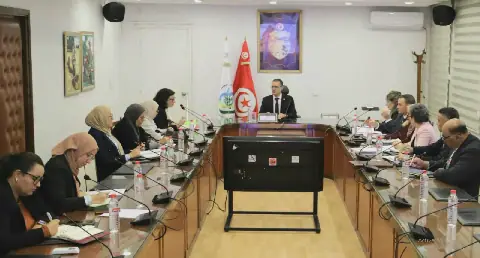
Algeria's Minister of Finance, Mohammed Lamine Lebbou, has presented the country's 2027 Finance Bill, which aims to diversify public revenue, attract funds from the informal sector, and preserve citizens' purchasing power amid global inflationary pressures. The bill was discussed at the National People's Assembly, where Lebbou outlined measures to encourage productive investment, support non-hydrocarbon sectors, and expand the tax base without increasing tax rates.
The proposed Finance Bill includes measures to boost tax collection, combat tax evasion, and improve the performance of the tax administration. It also focuses on implementing large economic projects in the mining, transportation, industry, and agriculture sectors. To protect citizens' purchasing power, the bill aims to stabilize prices, ensure the availability of essential products, maintain subsidies, and strengthen market control.
Lebbou emphasized that the implementation of a targeted support system depends on the completion of the digitalization process, ensuring a fair distribution of aid. He also highlighted that Algeria's public debt stands at 99% domestic debt, providing the country with significant autonomy in its economic decisions. The minister mentioned that the government will rely on domestic debt and the Regulation Fund, while excluding external financing and prioritizing better control of public spending.
As part of the Finance Bill, the government has increased the tax rate on land advertising from 1% to 2.5%, following approximately 800,000 annual transactions. Lebbou stressed that this move aims to optimize revenue collection and reduce the country's reliance on hydrocarbon revenues. The minister also underlined the importance of encouraging investment in non-hydrocarbon sectors, particularly in start-ups and small businesses.
The 2027 Finance Bill is designed to promote economic growth, improve the business environment, and enhance the country's competitiveness. Lebbou stated that the government is committed to supporting economic development and creating jobs, while maintaining macroeconomic stability. He also emphasized the need for a more efficient tax system, which would help to increase revenue and reduce tax evasion.
The Algerian government aims to achieve a more balanced economy, with a reduced dependence on hydrocarbon revenues. The Finance Bill includes measures to support the development of non-hydrocarbon sectors, such as industry, agriculture, and services. Lebbou highlighted that the government is working to create a more favorable business environment, which would attract foreign investment and promote economic growth.
The 2027 Finance Bill is expected to be debated and approved by the National People's Assembly in the coming weeks. Once implemented, the bill is likely to have a positive impact on Algeria's economy, promoting growth, reducing unemployment, and improving citizens' living standards. The government remains committed to monitoring the implementation of the Finance Bill and making adjustments as needed to ensure the achievement of its economic objectives.
Key points
- The 2027 Finance Bill aims to diversify Algeria's public revenue, attract funds from the informal sector, and preserve citizens' purchasing power.