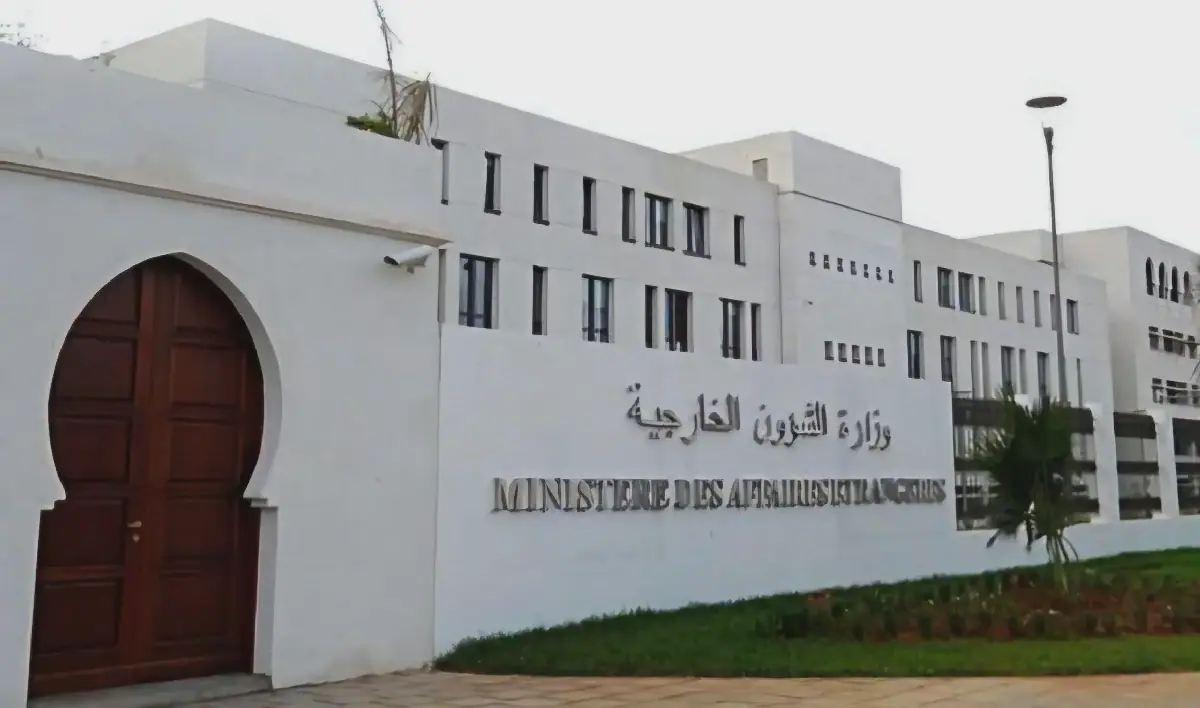
The Algerian government has expressed deep regret over the non-renewal of the mandate of the United Nations Mission for the Referendum in Western Sahara (MINURSO). In a statement released by the Ministry of Foreign Affairs, Algeria reiterated its commitment to a just, durable, and mutually acceptable political solution that guarantees the right of the Sahrawi people to self-determination. This stance aligns with the principles and objectives of the United Nations Charter and relevant UN resolutions.
According to the Ministry of Foreign Affairs, the draft resolution submitted to the UN Security Council was heavily biased in favor of Morocco, undermining the prospects for a fair and lasting solution to the Western Sahara conflict. The draft resolution's excessive partiality made the non-renewal of the MINURSO mandate inevitable. Algeria had warned the Security Council members about the severe consequences of adopting a resolution that would legitimize the status quo and undermine the Sahrawi people's right to self-determination.
Before the draft resolution was put to a vote, Algerian Minister of State for Foreign Affairs addressed letters to Security Council members, cautioning them about the risks of adopting a biased resolution. The minister highlighted the dangers of consolidating a territorial fait accompli and legitimizing an occupation that would deny the Sahrawi people their right to self-determination. Despite attempts to amend the draft, the final version retained the Moroccan autonomy plan as the sole basis for negotiation, severely limiting the options for both parties.
The removal of the term "referendum" from the MINURSO acronym was seen as a worrying political signal, effectively ruling out the referendum option historically associated with the mission's mandate and the Sahrawi people's right to self-determination. Furthermore, the draft resolution excluded the Polisario Front, the recognized representative of the Sahrawi people, from submitting their own proposals for a solution to the conflict. This approach undermined the prospects for a fair and inclusive negotiation process.
The Algerian government believes that the draft resolution would have transformed the Western Sahara conflict from a decolonization issue into a primarily humanitarian concern. However, Algeria stresses that a durable solution to the conflict must be linked to the exercise of the Sahrawi people's inalienable right to self-determination. The government's statement emphasizes that the non-renewal of the MINURSO mandate was a consequence of the biased draft resolution, which failed to provide a framework for productive negotiations.
Algeria's Ministry of Foreign Affairs criticized the draft resolution for de-naturalizing the decolonization process, legitimizing the acquisition of territory by force, and undermining the right to self-determination. The government reiterated its commitment to a just and durable solution that guarantees the Sahrawi people's right to self-determination, in line with UN principles and resolutions. The statement concluded by emphasizing Algeria's continued support for a peaceful and negotiated solution to the Western Sahara conflict.
The non-renewal of the MINURSO mandate has significant implications for the Western Sahara conflict, which remains unresolved. Algeria's reaction reflects its long-standing support for the Sahrawi people's right to self-determination and its commitment to a peaceful and negotiated solution. The international community continues to seek a resolution to the conflict, with the UN playing a crucial role in promoting a just and lasting solution.
Key points
- Algeria regrets non-renewal of MINURSO mandate due to biased draft resolution.
- Government reiterates commitment to just and durable solution for Western Sahara conflict.
- Non-renewal of mandate has significant implications for Sahrawi people's right to self-determination.