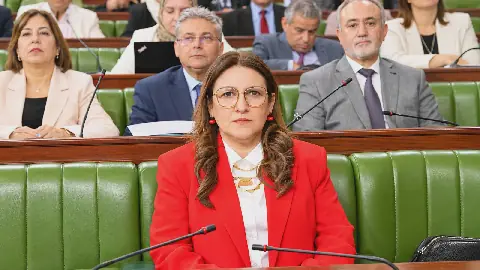
Algeria's Environment Minister Kaouter Krikou addressed the 31st Conference of Parties on Climate Change (COP 31) in Antalya, Turkey, highlighting the country's concerns over the pollution of transboundary waters at its western border. Krikou emphasized the severe threats to shared water resources and ecosystems due to actions by neighboring Morocco. The Algerian delegation showcased the country's ecological resilience through its climate adaptation projects, contrasting these efforts with the environmental harm caused by external actions.
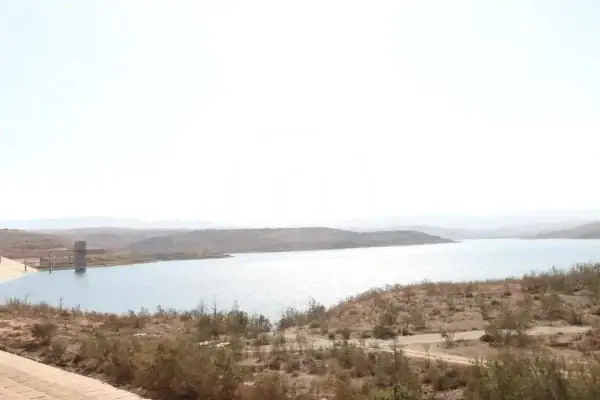
The Algerian minister pointed out that Morocco's actions are in direct contravention of international conventions. A documentary presented during a high-level side event, co-organized by Algeria's Environment Ministry and the United Nations Development Programme (UNDP), revealed systematic pollution of shared waters. The footage and data demonstrated a blatant disregard for the international convention governing transboundary watercourses, threatening local ecological balances and biodiversity.
The side event, themed "Algeria, a Land of Resilience: From Ancestral Knowledge to Climate Adaptation Solutions," showcased Algeria's commitment to ecological innovation and its vigilance against transboundary environmental threats. The event featured a video documenting ecological challenges at the western border, emphasizing the need for international cooperation to protect shared ecosystems. Algeria's stance underscores the importance of upholding international environmental law.
Krikou's intervention repositioned transboundary water governance at the center of global climate priorities. In a region experiencing acute water stress and increasing pressure on natural environments, Algeria's efforts call for the international community to ensure respect for international legal commitments and protect shared ecosystems from deliberate harm. This approach highlights the need for collective action to address environmental challenges.
Alongside raising concerns about transboundary pollution, the conference provided a platform for Algeria to showcase its climate action and ecological transition achievements. Several large-scale national projects were presented, illustrating a comprehensive adaptation strategy. Notable projects include the rehabilitation and extension of the Green Barrier, a significant effort against desertification, and the ecological conversion of the former Oued Smar landfill into an urban park.
Algeria's ambitious projects also include a program for seawater desalination plants aimed at securing potable water supplies. These initiatives demonstrate Algeria's commitment to building a sustainable development model that combines the preservation of its ancestral ecological heritage with the deployment of modern infrastructure for environmental resilience and water sovereignty.
Through its participation in COP 31, Algeria reaffirmed its determination to address climate change through innovative ecological solutions and robust infrastructure. The country's balanced approach seeks to protect its natural resources while promoting sustainable development, setting an example for other nations facing similar environmental challenges.
Key points
- Algeria's Environment Minister Kaouter Krikou emphasized the need for international cooperation to address transboundary water pollution at COP 31.
- The Algerian delegation showcased the country's ecological resilience through its climate adaptation projects.
- Algeria presented several large-scale national projects illustrating its comprehensive adaptation strategy.
Reporting sources
- COP 31 : L’Algérie alerte sur la pollution des eaux transfrontalières à sa frontière ouest · Le Jeune Indépendant