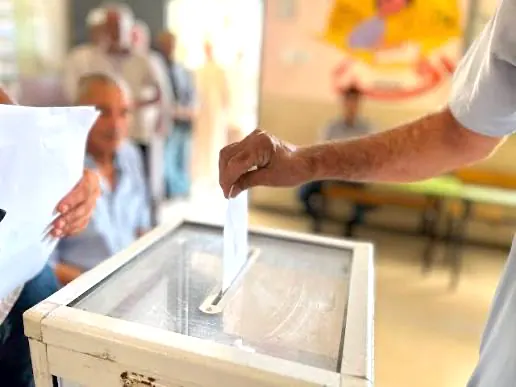
Algeria is set to hold local elections on November 28, 2026, which could mark a significant shift in the country's political map. According to Ali Ben Zadi, a member of the Independent National Electoral Authority (ANIE), these elections will not only renew local assemblies but also contribute to a partial reconfiguration of the political landscape. This change is attributed to new legal and geographical factors that will test the local implantation of political parties.
The upcoming elections will choose members of the Communal People's Assemblies (APC) and the Wilaya People's Assemblies (APW), crucial national electoral events that directly impact citizens. Ben Zadi emphasized the significance of these elections in selecting representatives and implementing local development. The elections are a key part of Algeria's democratic process, bringing governance closer to the people.
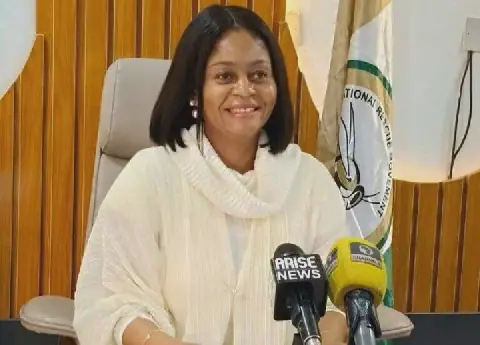
The ANIE has been preparing for the elections, with Saâd Arous appointed as its head by President Abdelmadjid Tebboune in late August 2026. Ben Zadi noted that Arous's appointment has been well-received by political and legal actors, seen as a vital step in leading the electoral institution. This appointment aims to ensure the integrity and transparency of the electoral process.
As part of its preparations, the ANIE has restructured its local delegations and structures, installing wilaya coordinators, organizing regional coordination meetings, and strengthening on-the-ground preparation. This reorganization aims to clarify responsibilities, ensure logistical efficiency, and maintain the principle of neutrality as mandated by law. These steps are crucial for the credibility of the elections.
Special arrangements have been made for the new wilayas resulting from the administrative redistribution. Ben Zadi confirmed that the ANIE has established necessary mechanisms for the November 28 elections, including exemptions from collecting signatures based on the "mother wilaya" and deploying coordinators. Training sessions and regional meetings are also being organized to ensure a smooth electoral process.
The electoral process is proceeding with the revision of exceptional electoral lists having taken place from September 6 to 17, 2026. The next stages include the submission and examination of candidatures, the electoral campaign, and the silent period before the November 28 vote. According to Ben Zadi, the process involves significant human and logistical resources, with over 13,000 voting centers and 63,000 polling stations nationwide.
The local elections are a critical test for Algeria's political parties and their local presence. With a substantial number of voting centers and polling stations, the ANIE is working to ensure that the elections are conducted fairly and transparently. The outcome of these elections could have a lasting impact on Algeria's political landscape, influencing the balance of power at the local level.
Key points
- The elections may lead to a partial reconfiguration of Algeria's political landscape.
- Over 13,000 voting centers and 63,000 polling stations will be set up across the country.
- The ANIE has taken steps to ensure the integrity and transparency of the electoral process.