Algeria, like many countries, is prone to various natural disasters, including wildfires, earthquakes, and floods. Recently, the country experienced devastating wildfires in August, resulting in significant loss of life and property damage, particularly in the Jijel province. The Algerian government has been working to address the issue of compensating victims of natural disasters. Currently, the state provides financial assistance to those affected, but experts argue that a more sustainable solution is needed.
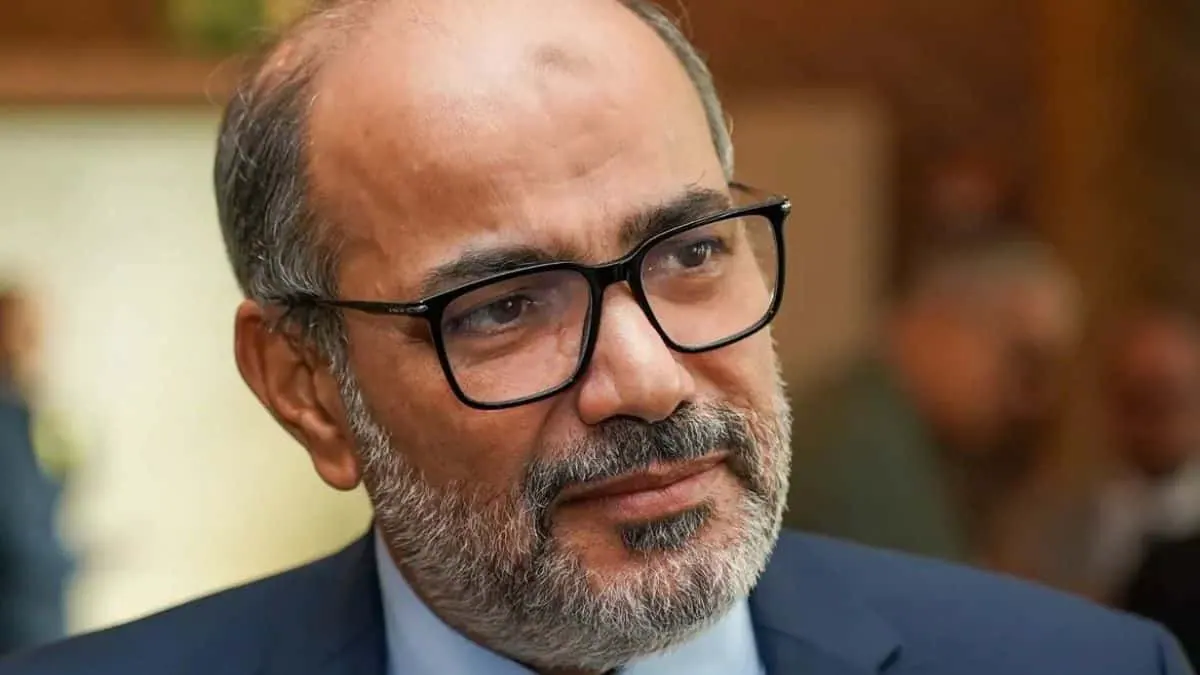
Hassen Khelifati, CEO of Alliance Assurances, has proposed a new model that would encourage Algerians to take out insurance policies to cover natural disasters. In an interview, Khelifati noted that the current system, where the state provides compensation, can be burdensome and may not be sustainable in the long term. He suggested that insurers could offer competitive insurance policies, with the state providing subsidies to make them more affordable. This approach has been implemented in other countries, including China, Argentina, and France.
According to Khelifati, the proposed model would involve insurers forming a pool to offer disaster insurance policies, with the state providing subsidies that decrease over time. For example, in the first year, the state would cover 90% of the premium, decreasing to 80% in the second year, and so on. This approach would encourage Algerians to take out insurance policies and reduce the financial burden on the state. Khelifati emphasized that this model would also help to promote a culture of insurance in Algeria.
The new model would also involve making insurance compulsory for certain types of risks, such as fire and natural disasters. Khelifati suggested that this could be achieved by introducing a system where insurers evaluate and pay out claims directly, rather than relying on state compensation. This approach would help to reduce the risk of fraudulent claims and ensure that those affected by natural disasters receive fair compensation.
Khelifati also highlighted the importance of raising awareness about the risks of natural disasters and the benefits of insurance. He noted that many Algerians do not take out insurance policies because they do not understand the risks or believe that the state will provide compensation. However, with a new model in place, Khelifati believes that Algerians can be encouraged to take a more proactive approach to managing risk.
The proposal has been informed by international best practices, including a seminar organized by the Organisation des Assurances Africaines in Algeria in 2023, which brought together over 1,800 participants and 1,300 international speakers. Khelifati noted that the seminar provided valuable insights into different models of disaster insurance and how they could be adapted to the Algerian context.
The implementation of a new model for compensating victims of natural disasters in Algeria will require a collaborative effort from insurers, the government, and other stakeholders. Khelifati emphasized that it will take time to develop a new system, but he believes that it is essential to promote a culture of insurance and reduce the financial burden on the state. The Algerian government has not yet announced plans to implement a new model, but Khelifati's proposal is likely to contribute to ongoing discussions about how to address the issue of natural disaster compensation.
Key points
- Algerian government considers new insurance-based model to compensate victims of natural disasters
- Proposal involves insurers offering competitive policies with state subsidies
- Model aims to promote a culture of insurance and reduce financial burden on state