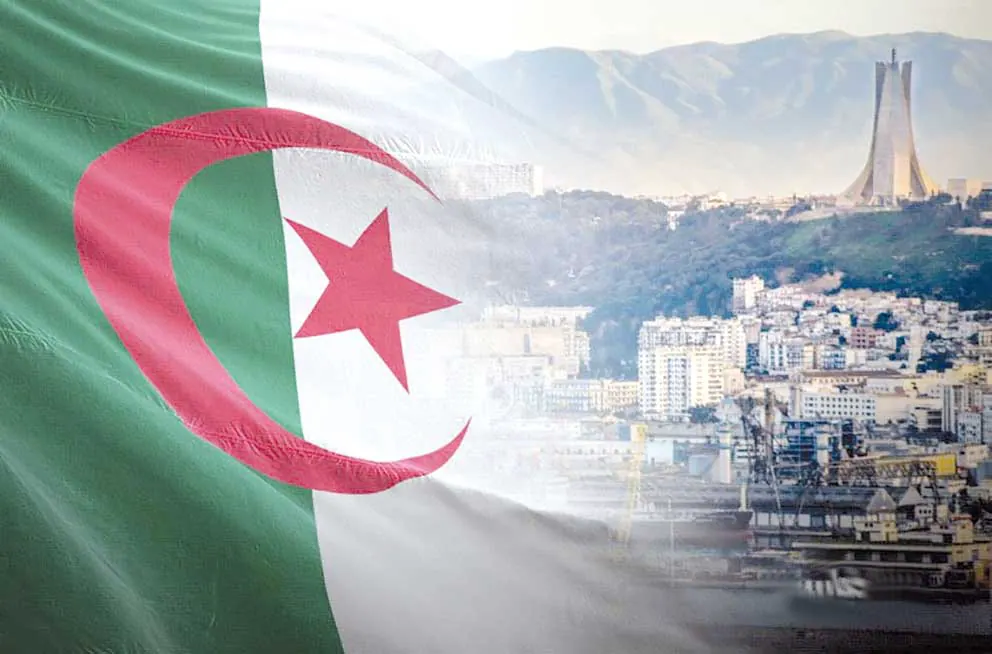
Algeria is making significant efforts to achieve the United Nations' 2030 agenda, with a focus on improving living standards, enhancing purchasing power, and promoting economic growth. The country has adopted a comprehensive social and economic strategy to achieve these goals. According to Algeria's Permanent Representative to the UN and President of the Economic and Social Council, Amar Benjamain, the country's efforts are noteworthy, especially after presenting its second voluntary report in July.
One of the key areas of focus for Algeria is improving the living standards of its citizens. The government has taken steps to enhance income and purchasing power, including increasing the guaranteed minimum wage and regularly reviewing salaries, pensions, and retirement benefits. Additionally, tax exemptions have been introduced for low-income earners, and youth are being supported through the introduction of unemployment grants for first-time job seekers. These initiatives aim to alleviate the burden of unemployment and provide a decent life for citizens.
The Algerian government is also prioritizing the development of marginalized areas, with President Abdelmadjid Tebboune emphasizing the importance of addressing social disparities. Plans have been launched to develop these areas, focusing on improving basic services such as water, sanitation, electricity, and roads. The goal is to achieve social justice and reduce isolation in rural areas. Furthermore, efforts are being made to enhance healthcare and social services, including universal healthcare coverage for students, job seekers, and those with chronic illnesses.
Housing is another critical area of focus for Algeria, with the government continuing to launch large-scale housing programs. A total of 2 million new housing units are expected to be delivered in the coming period, including social, rural, and justice housing. This initiative aims to gradually eliminate informal housing and improve the living environment through projects focused on waste management and wastewater treatment.
In addition to these efforts, Algeria is working to enhance food and water security. The government is investing heavily in major seawater desalination plants, which are crucial given the country's geographical nature and the challenges associated with managing water resources and combating desertification. These projects aim to ensure a stable water supply and protect natural resources.
On the economic front, Algeria has adopted a comprehensive structural strategy to diversify its economy and stimulate growth. The strategy focuses on three key areas: industry, innovation, and infrastructure. The goal is to accelerate the transition to a more diversified economy and promote digital transformation and smart manufacturing. Efforts are being made to develop the industrial sector, with a target of increasing its contribution to GDP to 12%.
The Algerian government is also pursuing strategic mining projects, such as the Gara Djebilet iron and steel mine, and the phosphate project to support the fertilizer industry. Furthermore, major integrated industrial zones are being developed, including the Bourj 1 and 2 zones, which are 100% complete. These zones will be equipped with specialized stations to support industrial growth and economic development.
Key points
- Algeria aims to achieve the UN's 2030 agenda by improving living standards, promoting economic growth, and protecting the environment.
- The country is investing in large-scale housing programs, with 2 million new housing units expected to be delivered.
- Algeria is working to enhance food and water security through investments in seawater desalination plants and waste management projects.