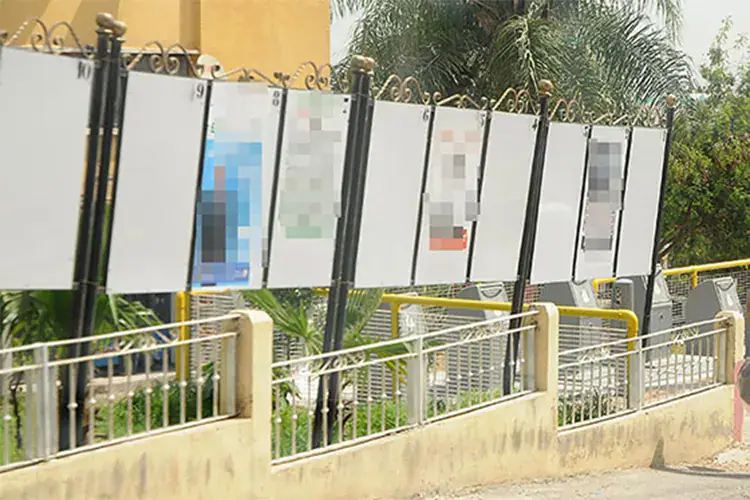
With Algeria's local election campaign now in its second week, candidates are facing significant financial burdens. The costs include renting campaign offices, printing posters and flyers, and financing field trips, which are essential for campaigning. Many candidates, particularly those who were not initially considered top contenders by their parties, are relying on contributions from fellow party members to cover these expenses.
According to sources close to the electoral preparations, some parties began collecting contributions from their candidates even before the official lists were announced. This was done to ensure that they had sufficient funds to start their campaign activities as soon as the administrative and legal procedures were completed. The process of collecting contributions continues, with some parties still gathering funds from their candidates.
The financial burden on candidates varies, with some taking on a larger share of the expenses while others rely on contributions from fellow candidates. This has resulted in different financing models for each list, depending on the available resources and agreements between candidates. The costs of campaigning are increasing, particularly with the expansion of field activities, which include renting offices, printing promotional materials, and organizing meetings with citizens.
The law regulates the financing of election campaigns, allowing only contributions from political parties, personal contributions from candidates, and donations from citizens as natural persons. The law also prohibits foreign financing and financing from legal persons. Candidates must follow specific accounting and oversight mechanisms, including appointing a financial agent and opening a special campaign account.
The electoral law requires candidates to document their revenues and expenses and adhere to the legally determined spending ceiling. This allows for tracking the sources of funds and their use. The campaign finance regulations aim to ensure transparency and accountability in the electoral process.
As the campaign continues, party leaders are intensifying their activities, focusing on encouraging citizens to participate in the elections and vote for their representatives. With concerns about low voter turnout, party leaders are emphasizing the importance of participation, and some have made it a key part of their campaign messages.
The local elections are scheduled for November 28, and candidates are working to maximize their outreach and engagement with voters. Despite the financial challenges, candidates are striving to effectively communicate their programs and connect with voters across the country.
Key points
- Candidates in Algeria's local elections face significant financial burdens, relying on contributions from party members and fellow candidates to fund their campaigns.
- The electoral law regulates campaign financing, allowing only contributions from political parties, personal contributions from candidates, and donations from citizens as natural persons.
- Party leaders are intensifying their campaign activities, focusing on encouraging citizens to participate in the elections and vote for their representatives.
Reporting sources
- مصاريف المحليات تثقل كاهل المترشحين وتعويل على المساهمات! · echoroukonline.com