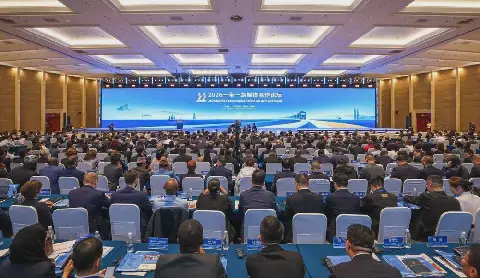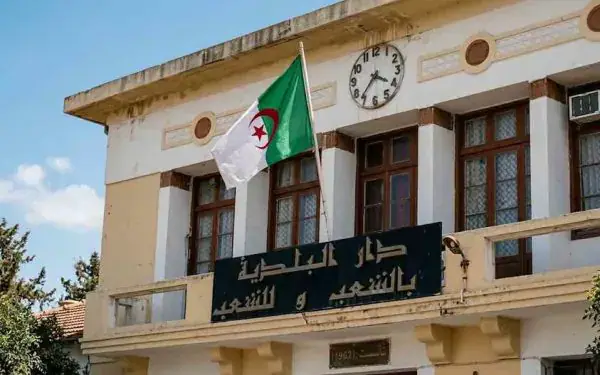
The campaign for Algeria's local elections is set to begin on Thursday, 23 days before the November 28 polls. The elections will determine the members of the communal (APC) and wilaya (APW) assemblies. According to the law, the campaign period will end three days before the polling date, during which time the electoral silence must be observed. The institutions of the state and public bodies are required to maintain equal distance from all candidates and lists, while ensuring equal access to direct expression through the media.
The electoral campaign will focus on the management of local collectivities and the implementation of specific programs that affect citizens' daily lives. Candidates aim to convince voters to participate and make the right choice. For political parties, these local elections are of great political importance, similar to the legislative elections. The involvement of party leaders in campaign events and rallies across the country is significant. The program for the campaign is substantial, with parties planning to mobilize voters through proximity actions, meetings, and visits.
The issue of voter apathy during previous elections has been noted, with low participation rates recorded. Some observers attribute this to the lack of engagement from parties and their structures in organizing debates and meetings with citizens throughout the year. Parties have been criticized for being inactive during their mandates, only becoming active during election periods. In an effort to address this, party leaders have begun their campaigns, with RND's Mounir Bouden embarking on a tour in the south, while Abdelkader Bengrina of El Bina launched his campaign in Bouira.
The new deputies are expected to support their parties' candidates in mobilizing voters and combating abstention. The president of the Independent National Electoral Authority (ANIE), Saad Arous, has called on candidates to respect electoral ethics, adhere to the law, and preserve the dignity of individuals. He also emphasized the importance of avoiding hate speech, misleading discourse, and any content that could compromise the integrity of the electoral process.
The electoral campaign will be subject to strict rules governing the content of political discourse, preventing the instrumentalization of national constants and incitement to divisions. Hate speech and discourse based on communal, regional, linguistic, or ethnic considerations are strictly prohibited, as is the use of foreign languages. The use of national identity components for partisan or electoral propaganda purposes is also forbidden.
According to the ANIE, the national electorate concerned by this poll is 24,236,959 voters. The number of candidates stands at 141,388 for the APC and 21,476 for the APW. The proportion of young candidates is 54.02%, while women make up 11.86% of candidates, and those with a university level education represent 48.48%. The ANIE has taken measures to ensure equal access to media and to regulate campaign activities.
The outcome of these local elections will have significant implications for the country's governance and the relationship between citizens and their elected representatives. With a substantial number of candidates and a large electorate, the elections are expected to be closely watched. The campaign's success in mobilizing voters and promoting engagement will be crucial in determining the legitimacy and effectiveness of the elected assemblies.
Key points
- The Algerian local election campaign has begun, with candidates competing for seats in communal and wilaya assemblies.
- The campaign will focus on local issues and the management of collectivities.
- The elections will be closely watched, with a large electorate and a substantial number of candidates.