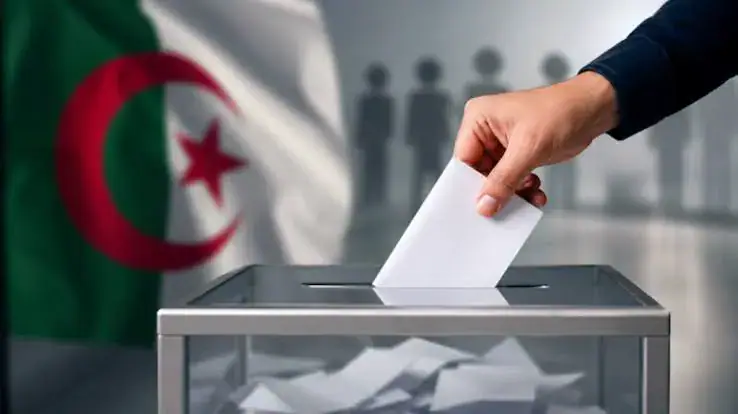
The electoral campaign for Algeria's local and provincial council elections is set to begin, with candidates competing for votes in the 28 November polls. This election aims to enhance citizens' role in shaping development choices and foster a participatory approach to decision-making. The campaign is governed by a clear and comprehensive legal framework, commencing 23 days before the polling date and concluding three days prior, leading into a period of electoral silence.
The campaign will be conducted under strict guidelines to regulate political discourse, preventing the exploitation of national constants, incitement of hatred, and regionalism based on ethnic, linguistic, or racial considerations. The use of foreign languages in the campaign is strictly prohibited, as is the partisan or promotional use of national identity elements for electoral purposes. Candidates are also barred from utilizing state resources, public institutions, educational and university facilities, and places of worship for campaign activities.
To ensure equal opportunities and administrative neutrality, the law prohibits the use of state resources for any candidate and restricts campaign activities to authorized public gatherings, neighborhood meetings, and designated areas under the supervision of local and provincial electoral authorities. The law also mandates that candidates appoint representatives to monitor voting centers and stations. Furthermore, to curb illicit financing in politics, the legislation specifies permissible sources of funding, including party and personal contributions, as well as donations from citizens.
The financial aspects of the campaign are subject to rigorous oversight by the Campaign Finance Monitoring Committee, which requires candidates to submit campaign budgets following the announcement of results. The law prohibits receiving aid or financing from foreign entities or legal persons, and candidates must open a single bank account managed by one financial entity, with a legally capped expenditure limit. After the legal campaign period expires, a 72-hour electoral silence begins, during which promotional activities and opinion polls are banned.
A total of 24,236,959 voters are registered in the national electoral body, participating in this national event. There are 141,388 candidates for the election of members of the municipal popular councils and 21,476 candidates for the provincial popular councils. Notably, 54.02% of candidates are young people, 11.86% are women, and 48.48% hold a university degree. The Chairman of the Independent National Electoral Authority, Said Arous, urged candidates to adhere to electoral ethics, respect the law, and preserve the dignity of individuals.
The elections represent a significant step in Algeria's democratic process, with a substantial number of candidates and voters participating. The authorities have emphasized the importance of maintaining integrity and transparency throughout the campaign and voting periods. Citizens are expected to make informed choices, contributing to the country's development and policy direction.
As the campaign unfolds, various stakeholders, including political parties, candidates, and voters, are anticipated to play crucial roles in shaping the electoral outcome. The successful conduct of these elections will depend on the adherence to legal frameworks, the active engagement of citizens, and the commitment to democratic principles. Key points:
Key points
- The electoral campaign for Algeria's local and provincial council elections has begun, with 141,388 candidates competing for seats.
- The campaign is governed by a strict legal framework that regulates political discourse and prohibits the use of state resources for campaign activities.
- A total of 24,236,959 voters are registered to participate in the elections, with 54.02% of candidates being young people and 11.86% being women.