Algeria has taken a significant step towards its transition to renewable energy with the launch of a call for tenders to build two wind farms, each with a capacity of 100 MW. The projects, located in Djelfa and Laghouat, mark a new dimension in the country's renewable energy development program, adding wind power to solar photovoltaic energy. This move is expected to help reduce the country's reliance on natural gas for electricity production and meet growing demand.
According to Boukhalfa Yaici, director general of the Green Energy Cluster Algeria, the country's current wind power capacity stands at only 10 MW, dating back to 2014. The decision to venture into wind energy was influenced by a World Bank study that ranked Algeria among the top three countries in Africa with significant wind power potential. Wind energy is seen as a complementary source to solar power, enabling a stable and continuous supply of green energy.
The International Renewable Energy Agency (IRENA) has noted that it is possible to produce green electricity at a lower cost than conventional electricity. Algeria aims to leverage this opportunity to reduce peak demand during the summer season. The addition of wind farms to existing solar power plants is expected to facilitate this transition. The Green Energy Cluster Algeria has been actively involved in promoting the participation of Algerian companies in renewable energy projects.
The Ministry of Energy and Renewable Energies has accepted the cluster's proposal to allow Algerian companies to take the initiative in partnering with foreign companies, rather than the other way around. This move is expected to enable local companies to gain experience and build their capacity in the renewable energy sector. Algerian companies, such as Amimer Energie, Hamdi, and Zergoun Green Energy, have already made significant strides in the solar photovoltaic sector.
The development of a local industry is crucial for the success of Algeria's renewable energy ambitions. The country aims to create value-added jobs and stimulate economic growth through the development of a domestic industry. The EPC (Engineering, Procurement, and Construction) model has been successfully implemented in the solar sector, and it is expected to be extended to wind energy and hydrogen production in the coming years.
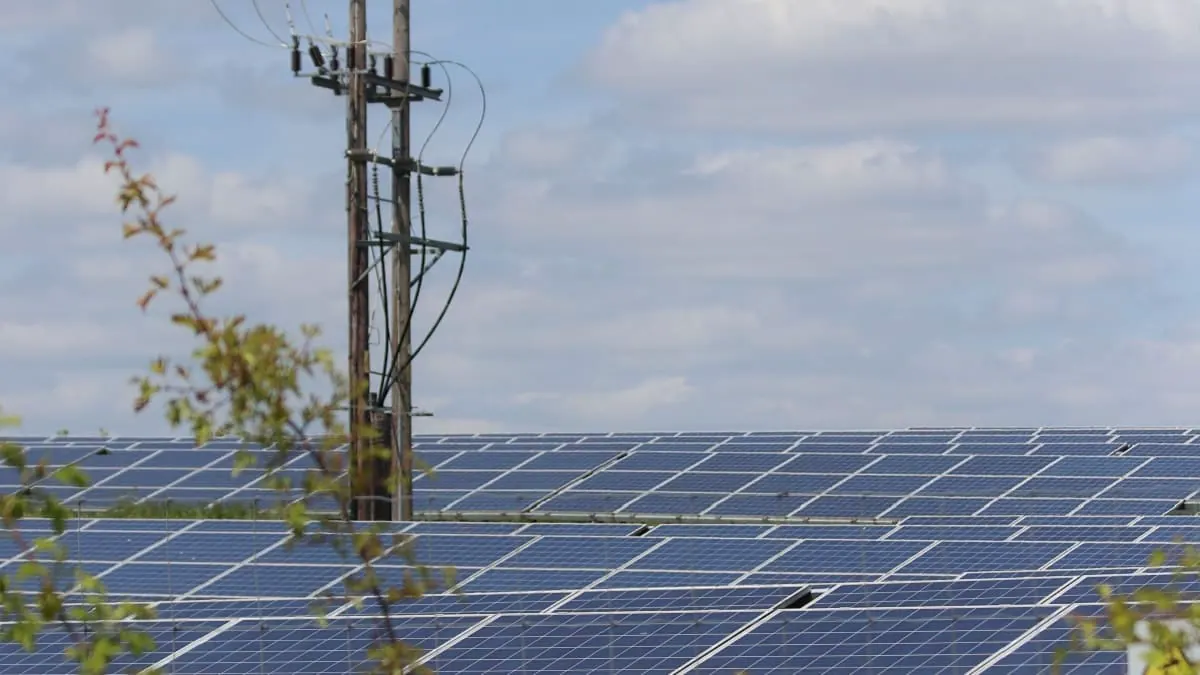
Algeria has also made significant progress in its solar power program, with 21 contracts signed for 3200 MW of capacity. Two central solar power plants have already been connected to the grid, with a total capacity of 400 MW. The program aims to reach 15,000 MW of solar power capacity by 2035. To achieve this goal, the authorities are considering launching a new round of tenders for 3000 MW of capacity.
However, Algeria's current energy consumption model is unsustainable, with a rapidly growing demand for electricity. The country's reliance on natural gas for electricity production is expected to increase, and there is a risk that the country will consume its entire gas production by 2035. To address this challenge, the authorities must revise the current energy consumption model and promote a culture of energy efficiency and rational use.
Key points
- Algeria launches call for tenders to build two 100 MW wind farms as part of its transition to renewable energy.
- The country's renewable energy program aims to reduce reliance on natural gas and meet growing demand for electricity.
- Algerian companies are being encouraged to participate in renewable energy projects to stimulate local industry and job creation.