The Algerian government has introduced a set of emergency measures to address rising food prices, which have been causing concern among consumers. The measures were announced by Prime Minister Sifi Ghrieb after a meeting with representatives of several agricultural sectors. The goal is to maintain product availability and contain price increases. The measures include increased monitoring of supply chains, stricter controls on intermediaries, and the release of stored products to boost supply.
The government has set its sights on intermediaries, who are often blamed for driving up prices through speculation and excessive profit margins. The authorities have announced a "zero-tolerance" policy towards those who engage in such practices. The services competent will monitor commercialization circuits to detect practices that may lead to price increases. Additionally, the government plans to release stored products, including potatoes and poultry, to increase supply and put downward pressure on prices.
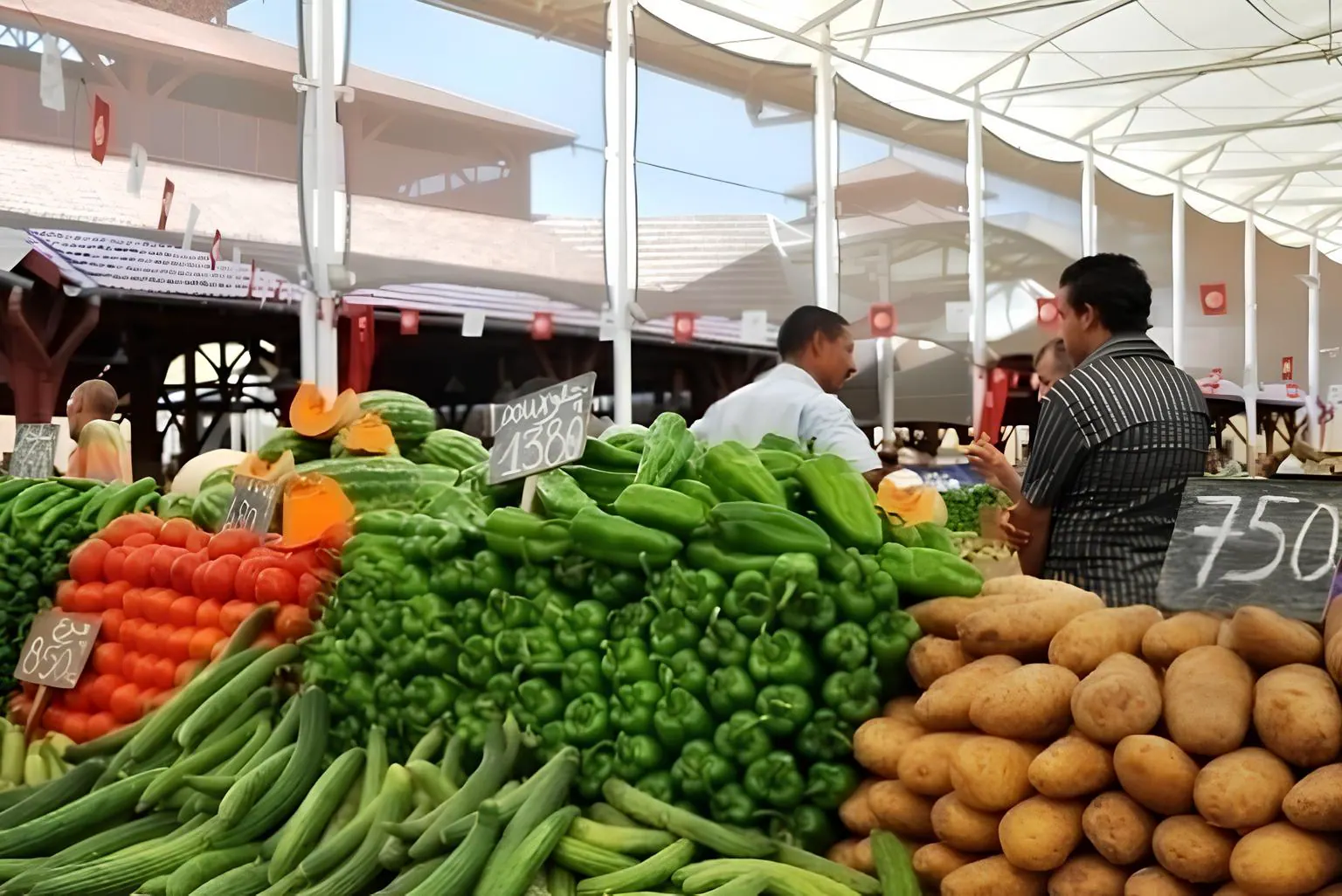
The price of potatoes, a staple in Algerian cuisine, has been particularly targeted by the government. The authorities have set price limits at different stages of the supply chain: 70-80 DA per kilogram for producers, 80-90 DA per kilogram for wholesalers, and 80-90 DA per kilogram for retailers. The government also plans to release stored potatoes to increase supply and stabilize prices. This move aims to ensure that consumers can access this essential product at an affordable price.
To support producers and help them maintain their activities, the government has introduced a "green corridor" for importing agricultural inputs and production means. This measure, managed by the Ministry of Agriculture and the Ministry of Foreign Trade, aims to facilitate the importation of essential products and reduce bureaucratic hurdles. The goal is to enable producers to access the necessary inputs quickly and efficiently, which should help to maintain production levels.
The government has also announced measures to support farmers financially. Those who declare their production will benefit from an exemption from a posteriori fiscal monitoring. The government also plans to regularize the situation of farmers with the Société algérienne de régulation des produits agricoles (SARPA). Additionally, public banks will be required to finance agricultural sectors, with easier access to financing and shorter processing times for loan applications.
A monitoring cell will be established to track market developments and difficulties on the ground. The cell, supervised by the Prime Minister and walis, will meet monthly with representatives of different sectors to assess the situation and make adjustments as needed. The National Chamber of Agriculture (CNA) has encouraged farmers to sell their products directly to consumers on wholesale markets, which should help to reduce the weight of intermediaries and bring prices closer to production costs.
The effectiveness of these measures in controlling rising food prices remains to be seen. However, the government's efforts to address the issue are clear. By acting on several fronts, including supply chain monitoring, price controls, and support for producers, the authorities aim to stabilize prices and ensure that essential products remain accessible to consumers. The coming weeks and months will be crucial in determining the success of these measures.
Key points
- The Algerian government has introduced emergency measures to control rising food prices, including price caps on potatoes and increased monitoring of supply chains.
- The measures aim to maintain product availability and contain price increases, with a focus on supporting producers and reducing the influence of intermediaries.
- A monitoring cell will be established to track market developments and make adjustments as needed to ensure the effectiveness of the measures.