The Algerian government recently hosted the National Assises on Memory and History, a significant event aimed at safeguarding the country's history and memory. Organized by the Ministry of Mujahideen and Rights Holders, under the patronage of President Abdelmadjid Tebboune, the assises brought together historians, teachers, and members of the revolutionary family to discuss the importance of protecting Algeria's history and memory. The event was sparked by concerns over attempts to distort or erase the country's colonial past and its struggle for independence.
Participants at the assises emphasized the need to strengthen the protection of national memory in the face of international and digital changes. They proposed establishing a robust institutional governance of memory and constructing a solid national narrative to counter disinformation and falsification attempts. Additionally, they stressed the importance of preserving memory sites, some of which have been neglected or destroyed. Many sites of torture have been erased, and plaques commemorating martyrs have become illegible due to lack of maintenance.
The event also highlighted the crucial role that local authorities, such as the Assemblées populaires communales (APC), play in protecting national memory. Didouche Mourad's statement, "If we die, defend our memory!", resonated with the participants. They emphasized that protecting memory and history should not be limited to speeches and conferences but should be translated into concrete actions on the ground. For instance, a stèle commemorating 80 chahids was destroyed in the 1990s and has not been replaced.
The assises also featured a conference by Professor Mohamed Amroune, who discussed the concept of national sovereignty in the digital age. He emphasized that sovereignty now extends beyond traditional domains and that the notion of narrative sovereignty is crucial in countering false narratives. Amroune, also president of the Commission des Affaires étrangères, stressed the need for a solid national narrative to face the challenges of disinformation.
Another key speaker, Abdelkader Baghdad Bey, member of the Comité scientifique de la Commission nationale Histoire et Mémoire, presented several recommendations. These included creating a national inventory of archival funds, developing a unified digital portal for researchers, and launching a national oral history program to document the testimonies of moudjahidine and witnesses of the Revolution.
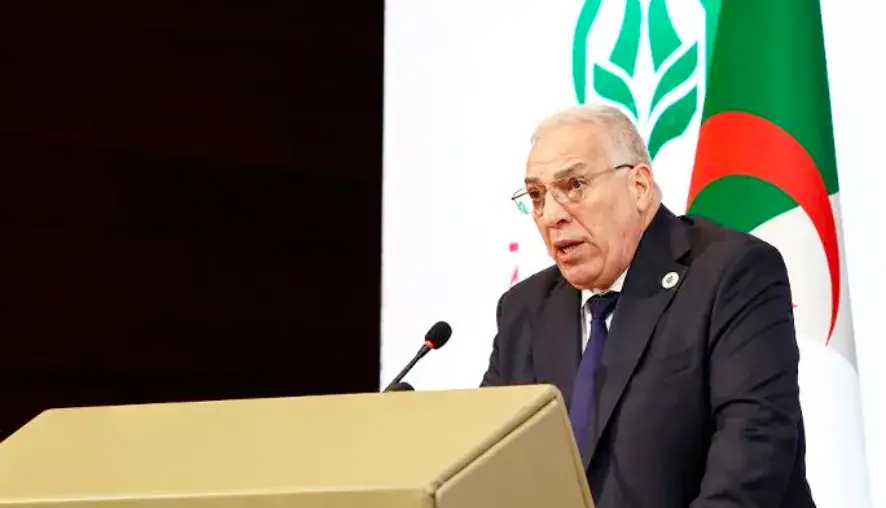
The event was presided over by Minister of Mujahideen and Rights Holders, Abdelmalek Tacherift, who emphasized the importance of terminological and conceptual rigor in scientific research. He stressed that fidelity to the chouhada and defense of national memory are essential in consolidating the foundations of identity and preserving a living and influential historical memory.
The National Assises on Memory and History aim to implement President Tebboune's orientations, which recognize the significance of national memory in protecting identity, reinforcing a sense of belonging, and consolidating historical knowledge. The event provided a platform for dialogue, knowledge production, and exchange of experiences to serve the memory and history of the nation.
Key points
- The Algerian government organized the National Assises on Memory and History to protect the country's history and memory from disinformation and falsification.
- Participants emphasized the need to strengthen the protection of national memory and construct a solid national narrative to counter disinformation and falsification attempts.
- The event featured several recommendations, including creating a national inventory of archival funds and launching a national oral history program.
Reporting sources
- Protéger la mémoire et l’histoire · lnr-dz.com