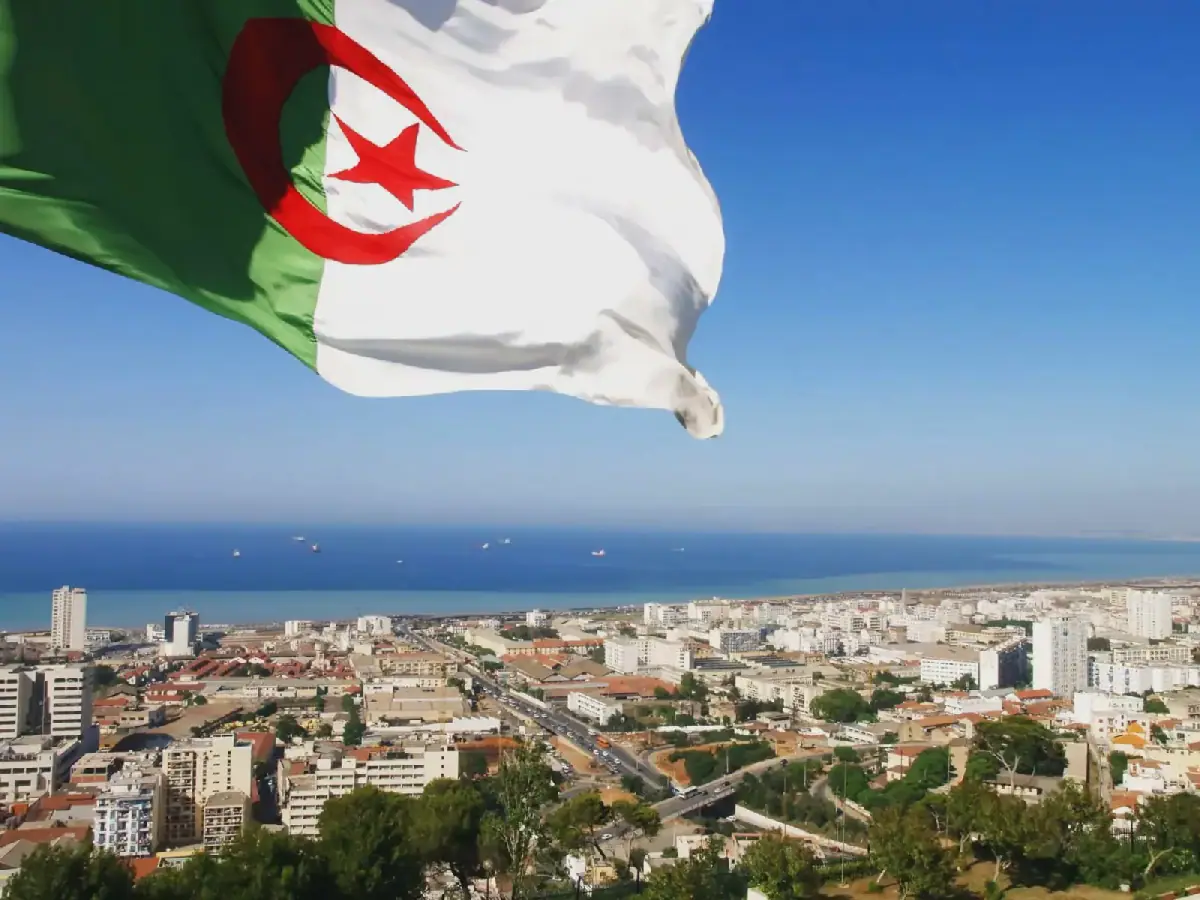
The Algeria-EU partnership agreement, signed in 2002 and implemented in 2005, has not lived up to its expectations. Despite 20 years of implementation, the agreement still suffers from imbalances and shortcomings. These have resulted in a lack of productive investments, technology transfer, and weak industrial partnerships. The agreement was signed in an exceptional context, where Algeria sought to overcome the effects of a difficult decade and regain its place on the international scene.
The agreement's application has been marked by significant disparities. The volume of trade between Algeria and the EU has reached $1063 billion since its implementation. However, European investments in Algeria have only reached $17 billion during the same period. This paradox shows that the intensity of trade exchanges has not translated into productive investments or industrial partnerships. The Algerian economy has undergone significant changes, with the emergence of new sectors such as iron and steel, cement, and building materials.
The Algerian government has expressed concerns about the agreement's implementation. Minister of State, Minister of Foreign Affairs and International Cooperation, Ahmed Attaf, highlighted the imbalances in the agreement's application. He noted that the agreement has not achieved its objectives, particularly regarding the significant gap between European investments in Algeria and the volume of trade exchanges. Algerian products face obstacles in accessing European markets.
The French side has been accused of exerting pressure to prevent the Partnership Council from meeting. This council has not convened since 2020. The French side is trying to block discussions on these issues to avoid revising the agreement. Attaf emphasized that differences in views and concerns should be addressed through institutional dialogue, not through the media or unilateral actions.
The Algerian market remains an important destination for European products. This makes the issue of balanced benefits from trade privileges a key point to be addressed in any agreement review. Algeria is not seeking to reconsider its partnership with the EU but rather to adapt the agreement's rules to the new economic reality. The country wants a more balanced economic relationship, with its institutions having access to external markets based on fair competition.
The partnership concept should go beyond trade liberalization and facilitating European product flows into the Algerian market. It should also encourage productive investment, joint industrial projects, technology transfer, and integrating Algerian companies into European value chains. This would create added value for both parties. Revising the partnership agreement is an opportunity to re-establish the economic relationship between Algeria and the EU on new grounds.
The EU remains a key economic and trade partner for Algeria. However, the partnership's importance is not measured solely by trade volume but also by its ability to create wealth, jobs, investments, and knowledge transfer. The agreement must allow Algerian products to access European markets, just as Algerian markets are open to European products. A balanced and mutually beneficial partnership is essential for the two parties.
Key points
- Algeria wants a more balanced economic relationship with the EU
- The current partnership agreement has imbalances and shortcomings
- Algeria-EU trade volume reached $1063 billion since 2005