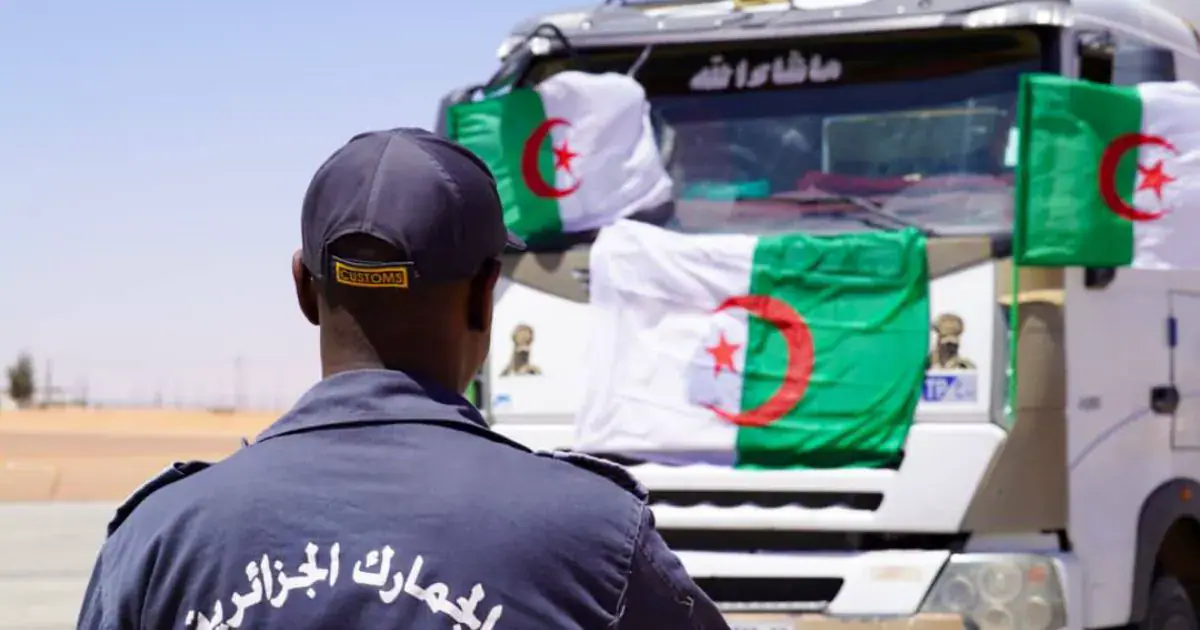
Algeria is celebrating its National Export Day on November 1, with 33 wilayas simultaneously shipping products to 57 foreign markets. The event is organized by the Ministry of Trade and Export Promotion, in coordination with the Ministry of Interior and Local Authorities. This operation involves a large-scale mobilization of wilayas, with the aim of promoting Algerian products abroad and reducing the country's dependence on oil and gas revenues.
The National Export Day is part of the commemorations of the 72nd anniversary of the Algerian Revolution. The government is seeking to associate the conquest of foreign markets with the country's historical sovereignty. This event is also an opportunity for the government to highlight its economic ambitions and promote Algerian products abroad. The Minister of Trade and Export Promotion, Kamel Rezig, has been advocating for a diversification of the country's exports and a reduction in its dependence on oil and gas revenues.
The results of Algeria's export efforts are starting to show, with a reported increase in exports of non-hydrocarbon products. According to the National Association of Algerian Exporters, the country's exports have exceeded $5 billion, driven by growing demand for "Made in Algeria" products. The most sought-after products include cement, glass, ceramics, cosmetics, and agri-food products.
The country's main clients are Tunisia and Libya, but Algeria is also expanding its exports to sub-Saharan Africa and Europe. Recently, Algerian-made air conditioners were exported to Spain, marking a first European breakthrough for this sector. The government is seeking to diversify its exports and promote Algerian products in new markets.
The involvement of 33 wilayas in the National Export Day reflects the government's desire to decentralize the export effort and promote local operators. The authorities are also seeking to diversify the sectors involved in exports, inviting industrialists to expand their product lines to meet the needs of the hotel, tourism, and enterprise sectors.
The government's strategy aims to avoid concentrating exports on a few traditional products or regions. By involving regions in the interior and border areas, the authorities hope to emerge new exporters outside the traditional industrial basins of the north. This approach is part of a broader effort to promote economic development and reduce the country's dependence on oil and gas revenues.
The National Export Day is also an opportunity for the government to highlight its efforts to promote economic development and improve the living standards of Algerians. The event is part of a series of initiatives aimed at promoting economic growth and reducing poverty. The government has also announced plans to provide housing for hundreds of Algerian families and to promote economic development in various sectors.
Key points
- Algeria aims to reduce its dependence on oil and gas revenues by promoting exports of non-hydrocarbon products.
- The country's exports have exceeded $5 billion, driven by growing demand for "Made in Algeria" products.
- The government is seeking to diversify its exports and promote Algerian products in new markets, including sub-Saharan Africa and Europe.