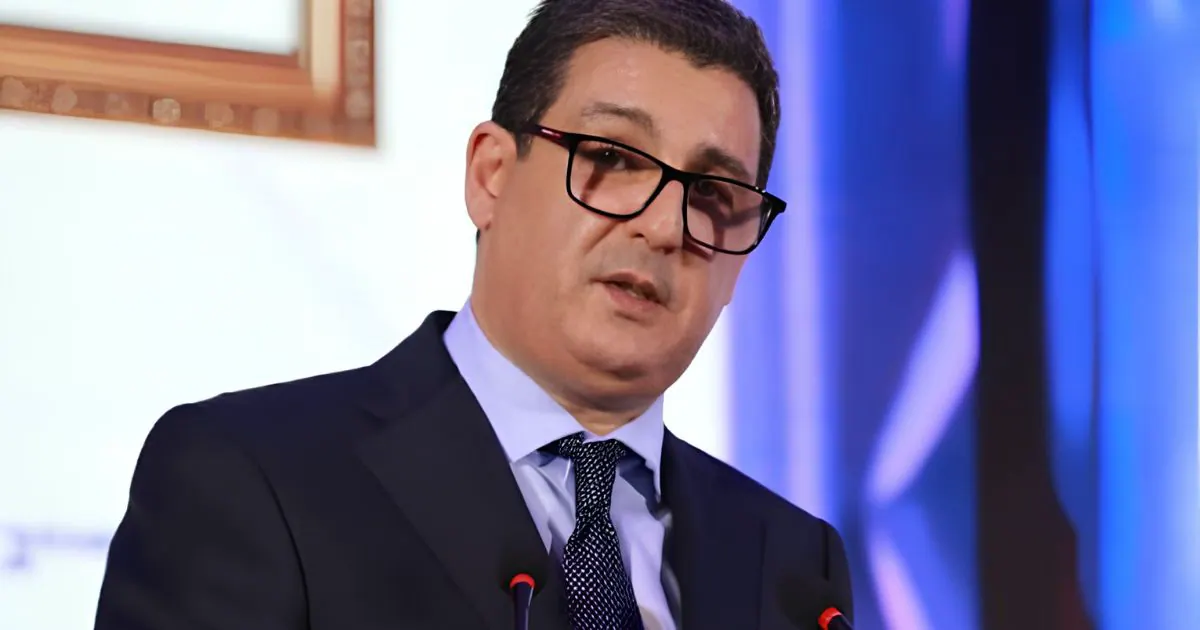
Algeria's health authorities have taken a significant step in enhancing the country's response to cancer by introducing 52 new treatments. The move was announced by Health Minister Mohamed Seddik Aït Messaoudene at the 2nd International Congress for Cancer Patients in Algiers. The new treatments focus on immunotherapy and targeted therapies, aiming to address the alarming epidemiological situation. In 2023, Algeria recorded over 56,000 new cancer cases, a 34% increase over the past decade.
The introduction of these new treatments is part of a broader strategy to improve access to healthcare, diagnosis, and patient follow-up. The government has allocated a substantial budget to support this effort, with the Cancer Control Fund now receiving over 73 billion dinars. This fund is supplemented by an annual allocation of 40 billion dinars. For 2026, the budget for oncological treatments is set at 40 billion dinars. The goal is to streamline the supply chain, anticipate logistical challenges, and eliminate medication and consumable shortages.
Algeria's healthcare infrastructure is being strengthened with 15 specialized cancer centers, 24 radiotherapy units, and 61 linear accelerators. By 2028, the network is expected to expand with the deployment of 25 new services and the acquisition of 16 additional accelerators. Furthermore, the PET Scan in Tizi Ouzou is set to become operational by the end of the year, following its relocation to a more suitable hospital setting.
The government's strategy also involves a significant shift towards digitalization. The Health Ministry aims to modernize clinical governance in line with directives from the Presidency of the Republic, issued in May 2026. The national strategy for 2025-2035 prioritizes prevention and early detection. This approach includes the implementation of electronic medical records, automated appointment scheduling, and digital tracking of radiotherapy protocols.
The digitalization effort also includes a centralized tool for monitoring medical equipment, managing breakdowns, and tracking performance indicators across healthcare facilities nationwide. This system will enable real-time monitoring and more efficient management of resources. The introduction of these new treatments and the overall strategy are expected to significantly enhance Algeria's response to the growing cancer threat.
The incidence of cancer in Algeria has been rising steadily, with a notable increase in cases over the past decade. The country's healthcare system is responding by not only expanding its therapeutic arsenal but also by investing in infrastructure and technology. The government's commitment to improving cancer care is reflected in its budget allocations and strategic planning.
The implementation of these measures is expected to improve patient outcomes and reduce the burden on the healthcare system. By focusing on prevention, early detection, and treatment, Algeria aims to mitigate the impact of cancer on its population. The country's healthcare authorities are working to ensure that patients receive timely and effective care, with a focus on enhancing the overall quality of life for those affected by cancer.
Key points
- Algeria introduces 52 new cancer treatments to enhance its response to the disease
- The government allocates over 73 billion dinars to the Cancer Control Fund to support the effort
- The national strategy for 2025-2035 prioritizes prevention and early detection in the fight against cancer