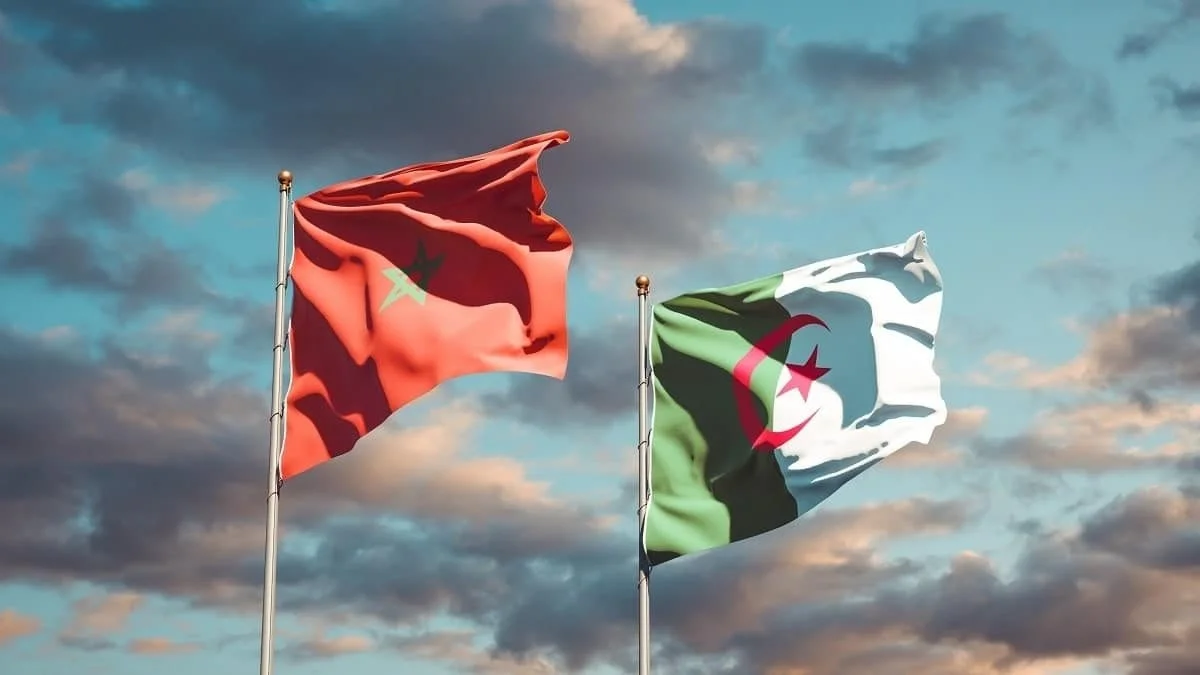
The Western Sahara issue took center stage at the United Nations recently, with Algeria and Morocco presenting their respective visions for the region's future. Algerian Foreign Minister Ahmed Attaf emphasized the Sahrawi people's right to self-determination, echoing Algeria's long-standing stance on the matter. This stance has been a point of contention between Algeria and Morocco for decades.
In contrast, Moroccan Foreign Minister Nasser Bourita asserted that autonomy under Moroccan sovereignty is the only viable solution for Western Sahara. He stressed that negotiations under the UN's auspices, based on Morocco's autonomy initiative, are the way forward. This approach has garnered support from several Western chancelleries, including France, the UK, and the US.
The Western Sahara issue is one of the most complex geopolitical dossiers internationally, with deep-rooted tensions between Algeria and Morocco. Both countries have been actively campaigning for their respective visions, with Morocco attracting significant support in recent years. The UN has been working towards a peaceful resolution, but a lasting solution remains elusive.
Ahmed Attaf reiterated Algeria's commitment to supporting UN efforts for a political solution that aligns with international law and the principle of self-determination. He emphasized that decolonization issues cannot be resolved through "fait accompli" politics, but rather through the exercise of rights recognized by concerned peoples.
The Moroccan autonomy plan has gained traction among several UN Security Council members. Nasser Bourita's statement at the UN underscored Morocco's conviction that negotiations under the UN's aegis are the only way forward. The two countries' divergent views highlight the challenges in finding a mutually acceptable solution.
The international community remains engaged on the Western Sahara issue, with many stakeholders closely following developments. The UN's role in facilitating negotiations is crucial, but a breakthrough remains uncertain. The situation continues to be a major item on the international geopolitical agenda.
As the situation stands, the outcome of the Western Sahara dossier remains uncertain. Algeria and Morocco are likely to continue advocating for their respective positions, while the international community watches closely. The UN's efforts to broker a peaceful resolution will likely continue, but a definitive solution may take time to emerge.
Key points
- Algeria advocates for the Sahrawi people's right to self-determination in Western Sahara.
- Morocco pushes for autonomy under Moroccan sovereignty as the only viable solution.
- The UN continues to play a crucial role in facilitating negotiations towards a peaceful resolution.