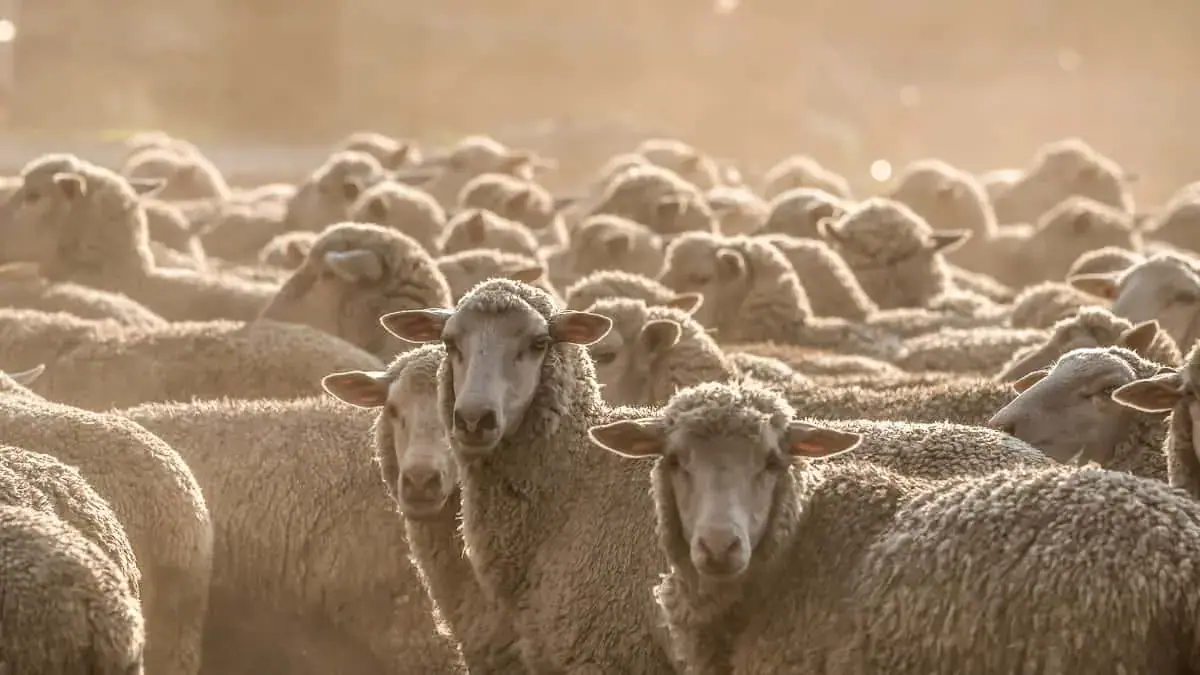
Algeria is working to reduce its reliance on imported sheep and meat by improving local production. The country's scientific community, including the Conseil scientifique de la communauté algérienne à l'étranger, is contributing to this effort. One key area of focus is veterinary sciences, where research has been conducted on animal selection and genetic improvement in sheep breeding. The goal is to develop breeds with better economic returns.
Several experimental projects have been carried out in Algeria to achieve this goal. The Institut des techniques d'élevage (ITELV) in Baba Ali, Algiers, has conducted numerous experimental studies. Additionally, the École supérieure agronomique d'Alger has worked on genetic diversity projects to develop more efficient and climate-adapted breeds. These initiatives aim to create breeds better suited to Algeria's arid climate.
A specific project, initiated in 2013, focuses on creating a new hybrid sheep breed through genetic improvement. This project involves crossing two local breeds: Ouled Djellal, known for its growth rate, and D'man, recognized for its high reproductive capacity. The goal is to combine the strengths of each breed to produce a more robust and productive sheep. Researcher Mohamed Adhouri has expressed optimism about the project's progress.
The project, funded by the Direction générale de la recherche scientifique, is part of the Programme national de recherche (PNR). Its advantage lies in targeting local breeds already adapted to Algeria's arid climate. Genetic improvement is seen as a crucial aspect of increasing productivity, but it requires a high level of technical expertise, particularly in artificial insemination.
However, challenges need to be addressed. The success of genetic improvement models in intensive farming is difficult to achieve in arid environments. Therefore, it is essential to balance productivity and adaptability objectives. The involvement of breeders and the dissemination of scientific techniques are also crucial for the project's success.
Furthermore, genetic improvement is just one aspect of the sheep breeding chain, which also requires adequate nutrition and proper zootechnical conditions. The lack of pastures due to drought poses a significant challenge. Additionally, Algeria needs sufficient zootechnicians and a conversion of extensive farms to semi-intensive and intensive ones to modernize the sector.
It is worth noting that certain practices, such as genetic engineering and animal cloning, are prohibited in Algeria on ethical grounds. The country relies on conventional and biotechnological techniques in animal genetics laboratories. The project's outcomes will depend on the availability of qualified technicians and the adoption of these techniques by breeders.
Key points
- Algeria aims to reduce sheep imports by developing a new breed through genetic improvement.
- The project involves crossing local breeds Ouled Djellal and D'man to produce a more robust and productive sheep.
- The success of the project depends on balancing productivity and adaptability objectives, as well as the involvement of breeders and proper zootechnical conditions.