Algeria's Minister of Hydraulics, Lounès Bouzegza, has called for the acceleration of an emergency program aimed at improving the country's water potable supply. The program, worth 23 billion Algerian dinars (DA), was launched in mid-August to address the shortcomings in the sector. During a meeting with sector officials on September 24, Bouzegza emphasized the need to expedite the program's implementation, particularly with the approach of the rainy season.
The emergency program focuses on reinforcing the country's water potable supply and addressing existing deficiencies. It involves the purchase of electromecanical equipment, generators, pumps, and water tankers to enhance intervention and maintenance capabilities in various wilayas. Bouzegza instructed officials to monitor project progress, overcome obstacles, and take corrective measures in a timely manner. He also stressed the importance of conducting thorough studies and strengthening technical control over construction sites.
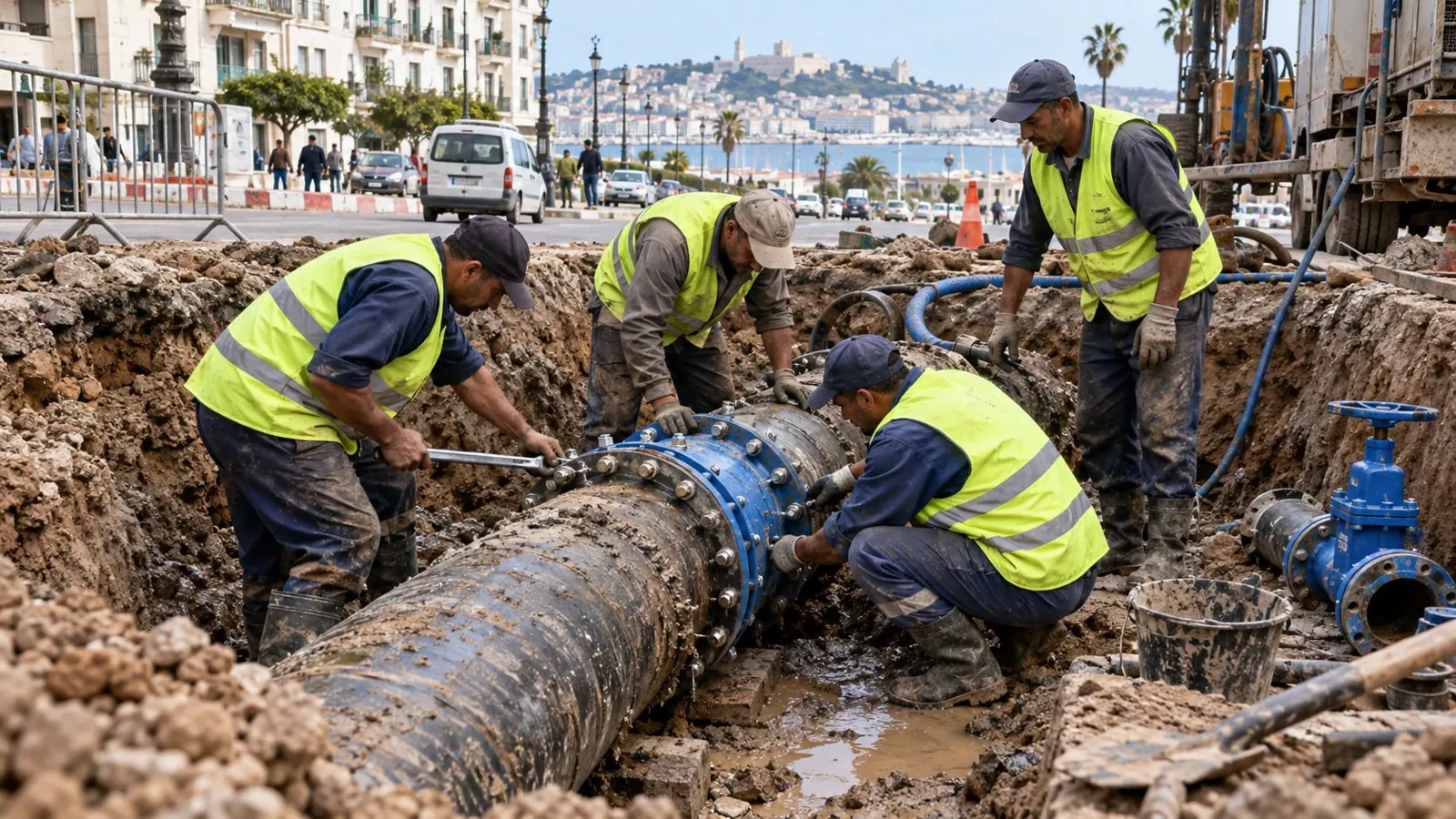
Bouzegza also emphasized the need to improve services provided to users. He instructed officials to enhance preventive maintenance of installations and equipment, ensuring rapid and effective interventions in case of malfunctions. The minister also called for continued efforts to address water leaks, illicit connections, and waste. According to the ministry, these issues have a direct impact on water distribution, as seen in the recent leak on the Taksebt network in Boudouaou.
The minister also highlighted the importance of utilizing treated wastewater, particularly in agriculture. He encouraged the generalization of treated water use, which supports economic development and enhances the country's water security. As of July, the National Office for Sanitation had 147 ongoing projects, including new wastewater treatment plants and the installation of tertiary treatment systems.
With the approach of autumn, Bouzegza stressed the need for preventive measures against meteorological hazards, including the clearing and maintenance of watercourses and oueds. He also called for the prevention of waterborne diseases, in coordination with local authorities and health services. The minister concluded by emphasizing the importance of coordination among sector officials and encouraging collective work and initiative to improve public services.
The meeting also discussed preparations for major projects to connect new desalination stations in Tlemcen, Mostaganem, and Chlef. These projects involve over 250 km of transfer pipelines to supply water to inland areas. While no dates have been announced, other transfers are already operational, including the supply of water from the Fouka 2 station to communities in eastern Blida.
Algeria's desalination capacity is increasing, with the Cap Blanc station in Oran reaching full capacity of 300,000 m³ per day in mid-August. The station has produced over 100 million m³ of water since its commissioning. Further projects are planned, including a mega-station with a capacity of 300,000 m³ per day in Tizi Ouzou.
Key points
- Algeria's government has allocated 23 billion DA for an emergency program to improve the country's water potable supply.
- The program aims to address shortcomings in the sector and reinforce water supply capabilities.
- The minister has emphasized the need for preventive measures against meteorological hazards and the utilization of treated wastewater.