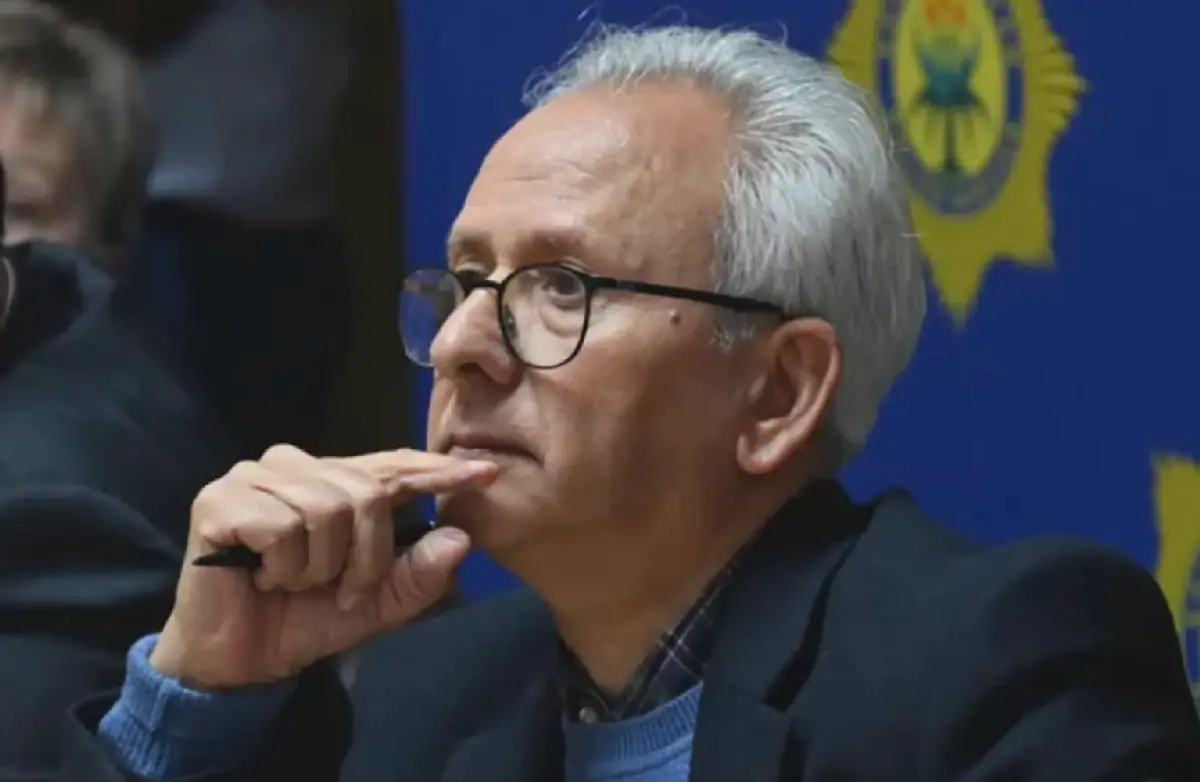
Acting Police Minister Firoz Cachalia has expressed concern over the high levels of violent crime in South Africa, citing alcohol as a major contributor. He made these remarks while releasing the 2026/27 second-quarter crime statistics in Pretoria on Friday. According to the statistics, an average of 60 people were murdered each day between July and September. Cachalia also noted that police recorded 8 201 alcohol-related contact crimes over the three months.
Cachalia warned that South Africa risks going the way of Latin American countries, where drug cartels have taken hold. Unisa criminology professor Jacob Mofokeng also raised concerns about the infiltration of transnational narcotics syndicates in the country. Mofokeng stated that the country was almost lost due to the recently exposed infiltration by narcotics syndicates. He added that transnational criminal cartels have already infiltrated South Africa.
The crime statistics revealed that violent crime remained alarmingly high despite declines in several categories. Nationally, contact crime decreased by 2,3% and property-related crime fell by 4,4%. Murder declined by 3,5%, with 204 fewer cases recorded, while sexual offences fell by 2,7%. Police recorded 246 fewer rape cases nationally. Gauteng recorded 1 418 murders during the quarter, followed by KwaZulu-Natal with 1 090 and the Eastern Cape with 1 068.
KwaZulu-Natal recorded 2 027 rape cases, followed by Gauteng with 1 767 and the Eastern Cape with 1 537. Police recorded 14 rapes at educational facilities in KwaZulu-Natal, compared with 16 in Gauteng and 24 in the Eastern Cape. The figures placed Plessislaer police station in the uMgungundlovu District fifth in the country for the number of contact crimes recorded. Inanda ranked second nationally and Umlazi eighth.
Cachalia attributed the high levels of violent crime to socio-economic conditions, including the lack of development in communities affected by gang violence. He stated that young people in those communities need development, schools, sports facilities, and recreational facilities. Cachalia also pointed to the role that the design and upkeep of public spaces could play in preventing violent crime. He noted that public infrastructure and environmental design must be taken into consideration when addressing violent crimes.
The Acting Police Minister called on anyone challenging the crime statistics to support their claims with evidence. National police commissioner General Fani Masemola welcomed the declines in several crime categories but warned that the fight against crime was far from over. Masemola stated that police would intensify intelligence-led operations to disrupt organised criminal networks, remove illegal firearms, and arrest wanted suspects.
The police service would also strengthen investigations to improve the chances of successful prosecutions. Cachalia's remarks come as the country witnesses a rise in mass killings, which he linked to organised crime and violent confrontations between rival groups. Mofokeng noted that liquor outlets outnumbered churches and recreational facilities, making them easily accessible places for people to gather.
Key points
- Alcohol is a major driver of violent crime in South Africa.
- The country risks going the way of Latin American countries, where drug cartels have taken hold.
- Socio-economic conditions, including the lack of development in communities, contribute to high levels of violent crime.