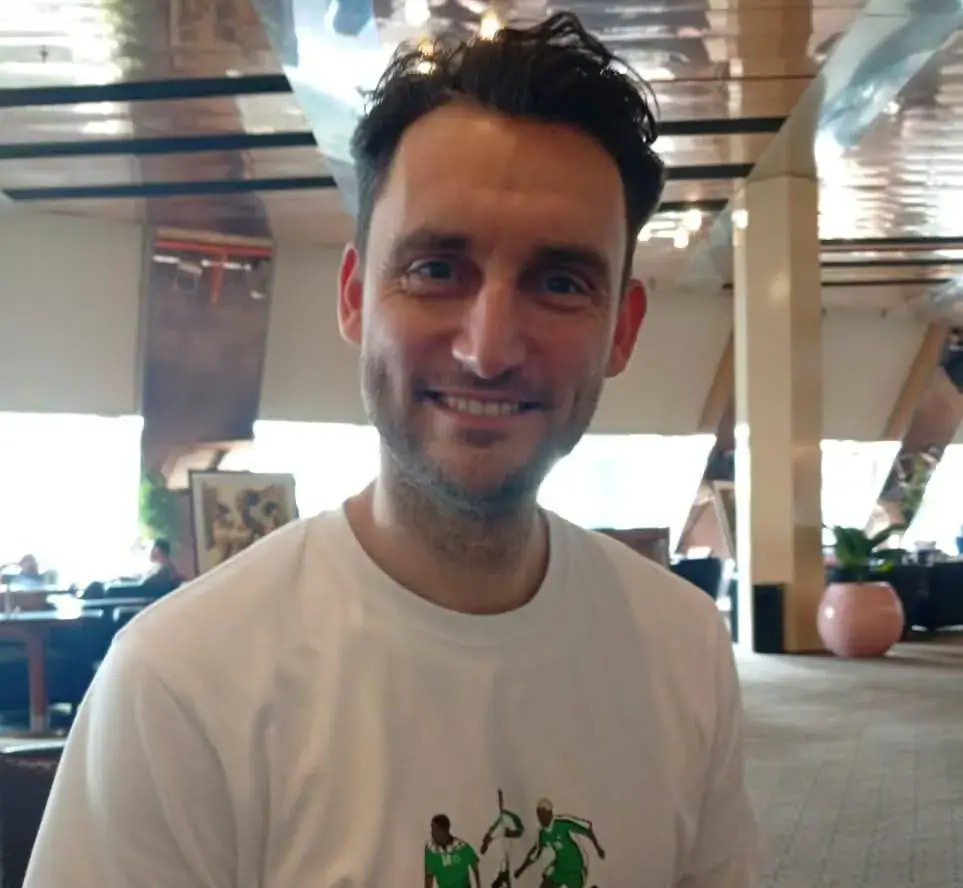
Alcohol consumption is a significant threat to Nigeria's young population, families, and economic productivity, with 2.6 million lives claimed annually worldwide. Maik Duenbbier, the Executive Director of Movendi International, stated that the growing health, social, and economic consequences of alcohol consumption pose a serious threat to Nigeria. Movendi International is an independent international non-governmental organisation that campaigns for the prevention of alcohol-related harm and promotes healthier, alcohol-free lifestyles.
Duenbbier warned that alcohol-related harm extends beyond consumers to families, communities, and society through violence, road accidents, diseases, lost productivity, and economic hardship. He described the global burden of alcohol harm as massive, with its combined direct and indirect consequences nearly twice the total burden of tobacco-related harm. According to him, approximately 2.6 million people die annually from alcohol-related causes worldwide, translating to one death every 16 seconds.
The Movendi chief expressed concern that young people bear a significant burden, noting that alcohol is the largest risk factor for the young population. He stated that the consequences are particularly damaging because young people represent the human capital in which governments and societies have invested through education and other developmental opportunities. Duenbbier emphasized that when alcohol harm takes them out of being productive, it results in a loss of human potential and investment.
Beyond its immediate health implications, Duenbbier identified alcohol consumption as a contributor to cancer, heart disease, and other health conditions. He also linked alcohol-related harm to environmental pollution and biodiversity loss. Duenbbier lamented that public awareness of the wider consequences remains limited, particularly regarding the economic and environmental costs. He insisted that governments and policymakers need a better understanding of the scale of the problem.
Duenbbier called attention to the impact of alcohol on women and families, particularly violence and the disruption of family relationships associated with harmful consumption. He urged Nigerian civil society organisations to strengthen advocacy by combining evidence, statistics, and personal experiences from affected communities to expose the activities of multinational alcohol companies. Duenbbier also advised CSOs to document the experiences of affected families and communities while drawing attention to the commercial practices of alcohol companies targeting young Nigerians.
The Movendi Executive Director encouraged Nigeria to learn from other African countries that have made progress in alcohol-control policies. He cited Kenya's alcohol legislation, South Africa's ongoing alcohol policy development, Botswana's alcohol taxation measures, and Ghana's efforts to increase alcohol taxes and restrict alcohol marketing as examples Nigeria could examine. Duenbbier also urged journalists to provide evidence-based reporting on the conflict between the commercial interests of multinational alcohol companies and the welfare of the wider population.
Duenbbier, who has spent about 20 years working in alcohol-harm prevention, stated that his motivation is rooted in a commitment to social justice and creating a fairer society. He expressed particular interest in strengthening Movendi International's work in Africa, which he described as its strongest region in terms of membership. Duenbbier said the organisation would continue supporting initiatives aimed at advancing alcohol legislation in Nigeria and other countries, while speaking up for people affected by alcohol-related harm.
Key points
- Alcohol consumption claims 2.6 million lives annually worldwide.
- Young people bear a significant burden of alcohol-related harm.
- Nigeria should learn from other African countries that have made progress in alcohol-control policies.