The Akwa Ibom State Government has distributed 406,450 teaching and learning materials and rehabilitated 199 primary and junior secondary schools across the state. This intervention, which covered the period from 2023 to 2026, aims to improve the quality of public basic education. The materials distributed include textbooks, curriculum guides, desks, chairs, and other utility equipment designed to improve teaching and learning.
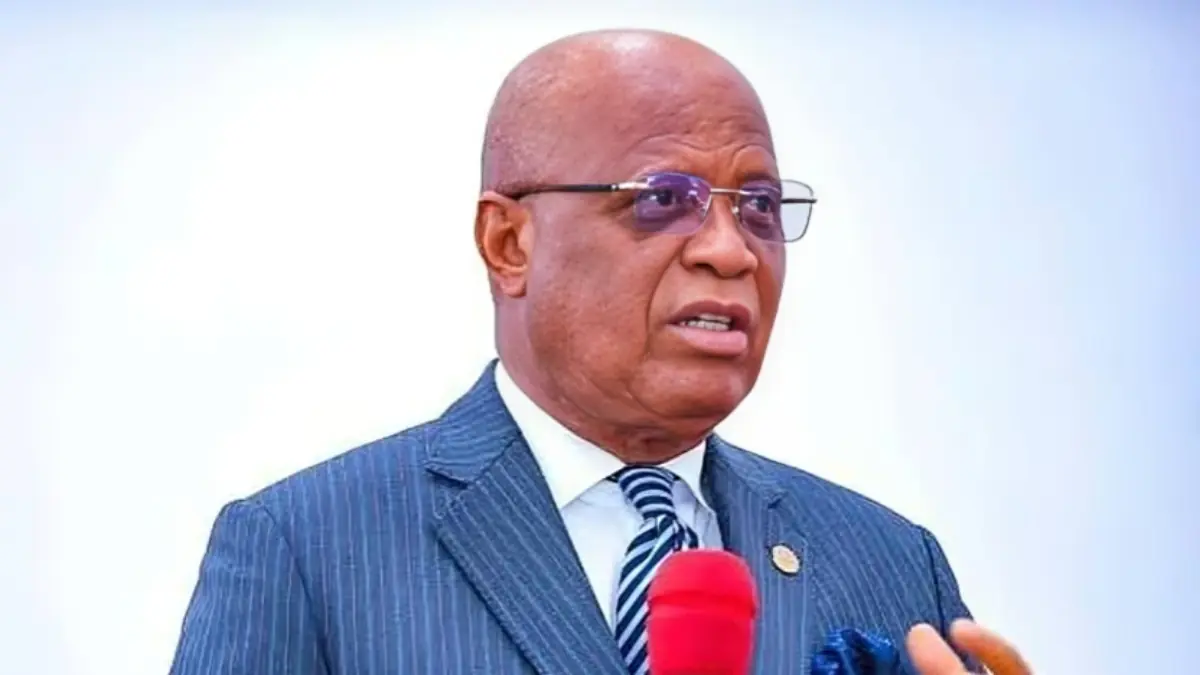
The 199 schools rehabilitated across the state's local government areas benefited from the construction and renovation of classroom blocks, administrative offices, perimeter fencing, water schemes, and modern toilet facilities. Executive Chairman of the Akwa Ibom State Universal Basic Education Board (AKSUBEB), Rt. Hon. Anietie Etuk, disclosed this during the Ministerial Media Briefing on Education. The briefing was organized to highlight the sector's performance under Governor Umo Eno's ARISE Agenda.
Etuk said the board is now adopting a "whole-school intervention model" in line with the governor's model school policy. Under this model, selected schools would receive comprehensive interventions rather than isolated projects. The model would combine perimeter security, clean water supply, modern sanitation, solar lighting, and teachers' quarters to create a conducive environment for both teachers and pupils.
The SUBEB chairman also announced a new teacher recruitment policy, under which teachers would henceforth be recruited from communities close to their areas of deployment. This policy aims to reduce teacher absenteeism and the effect of long daily journeys on teachers' productivity. The board has commenced capacity-building programs for teachers and School-Based Management Committees (SBMCs) to strengthen community ownership.
Commissioner for Education, Prof. Ubong Essien Umoh, said the state government has introduced measures to improve enrolment and academic performance, including scholarships, bursaries, and examination fee subsidies. However, many parents still opt for private schools despite the cost of tuition and other fees. The government is expected to intensify sensitization to draw attention to the facilities, learning resources, and other support now available in public schools.
Commissioner for Information, Rt. Hon. Aniekan Umanah, clarified that capital infrastructure allocations under SUBEB were separate from funds earmarked for teacher gratuities, matching grants, and direct student bursaries. The briefing also featured updates on vocational skills programs and youth empowerment initiatives being implemented as part of the administration's broader human capital development agenda.
A senior education stakeholder in the state, Dr. Esther Ekanem, noted that the government's next challenge should be to communicate these improvements directly to parents, many of whom continue to pay substantial fees in private schools due to perceptions about public education. The government needs to engage parents at the community level to ensure they understand the value of public schools.
Key points
- 406,450 teaching and learning materials distributed to public basic schools across Akwa Ibom.
- 199 primary and junior secondary schools rehabilitated across the state between 2023 and 2026.
- AKSUBEB adopts a whole-school model, with plans for integrated water, sanitation, security, solar lighting, and teachers' quarters.