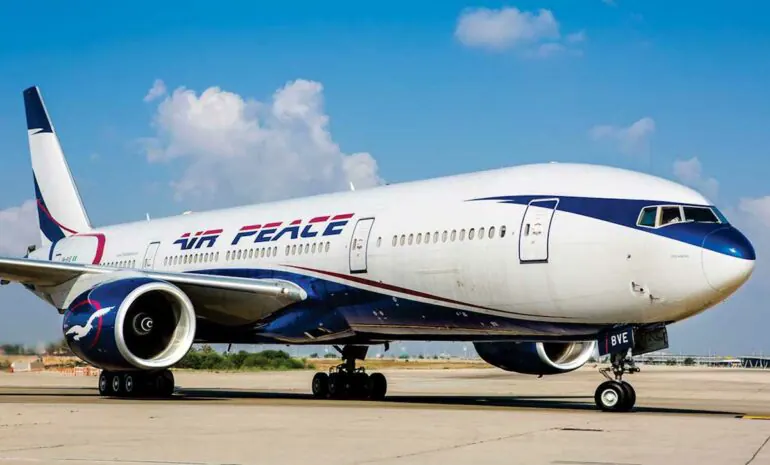
Flight disruptions at Abuja's Nnamdi Azikiwe International Airport have once again brought Nigeria's long-running battle with flight delays and cancellations into sharp focus. Air Peace attributed the disruptions to a combination of aviation fuel shortages and sunset restrictions. Several Air Peace services were delayed after Jet A1 aviation fuel became unavailable at the airport, while its Abuja–Maiduguri service was eventually cancelled after darkness set in.
The airline stated that the initial disruption affected not only Air Peace but also other carriers operating from Abuja. Weather conditions and operating restrictions at Maiduguri further complicated efforts to recover the schedule. The Maiduguri control tower initially granted an extension for the flight but later informed the carrier that the airport had become subject to Visual Flight Rules, meaning landings would no longer be permitted after sunset.
Air Peace apologized to passengers for the inconvenience, stating that the initial delays were caused by the unavailability of Jet A1, while the subsequent weather and sunset restrictions prevented the Abuja–Maiduguri service from operating as planned. The airline kept affected passengers informed and provided refreshments to stranded travelers. Those affected by the cancellation were offered hotel accommodation, and arrangements were made to operate the flight the following day.
The latest incident occurred barely a week after another disruption at Abuja airport triggered an angry reaction from passengers, some of whom reportedly barricaded the terminal entrance following the cancellation of several Air Peace flights. That episode was also linked to aviation fuel shortages and sunset restrictions at regional airports. Hundreds of passengers were reportedly left without immediate alternatives.
The incidents have revived a broader question that has followed Nigeria's domestic aviation industry for years: where does responsibility for persistent flight delays and cancellations actually lie? The answer has become increasingly contentious, particularly as airlines and regulators have disagreed over how disruption statistics should be compiled and interpreted. Delays and cancellations are certainly not new to Nigeria's aviation sector.
According to the Nigeria Civil Aviation Authority, 15 airlines operated 7,961 flights during August 2026, with 4,765 delayed and 36 cancelled. Air Peace was recorded as having the highest number of delays, with 1,330 delays out of 1,864 flights, giving a reported disruption rate of 71.4 percent. However, Air Peace strongly rejected the NCAA figures, stating that it operated 2,564 flights in August, rather than the 1,864 recorded by the regulator.
Air Peace's Chief Operating Officer, Toyin Olajide, questioned the NCAA's data collection process and argued that external factors, such as airport congestion and tarmac traffic, accounted for more than 51 percent of the delays. The airline called on the NCAA to review and audit its data collection process to ensure that future reports accurately capture flight volumes, delays, and their causes. Other industry operators have expressed support for Air Peace's position.
Key points
- The incidents have revived a broader question that has followed Nigeria's domestic aviation industry for years: where does responsibility for persistent flight delays and cancellations actually lie?
- Air Peace attributed the disruptions to a combination of aviation fuel shortages and sunset restrictions.
- The airline strongly rejected the NCAA figures, stating that it operated 2,564 flights in August, rather than the 1,864 recorded by the regulator.