Media stakeholders in Nigeria have raised concerns about the growing use of artificial intelligence to create fake election results, deepfake videos, and manipulated audio, which could make it harder for Nigerians to distinguish genuine information from falsehood ahead of the 2027 general elections. This warning was contained in a communiqué shared after the eighth Bagauda Kaltho Media Lecture organised by the Africa Media Development Foundation. The lecture focused on press freedom, courageous journalism, and the growing challenge of election misinformation.
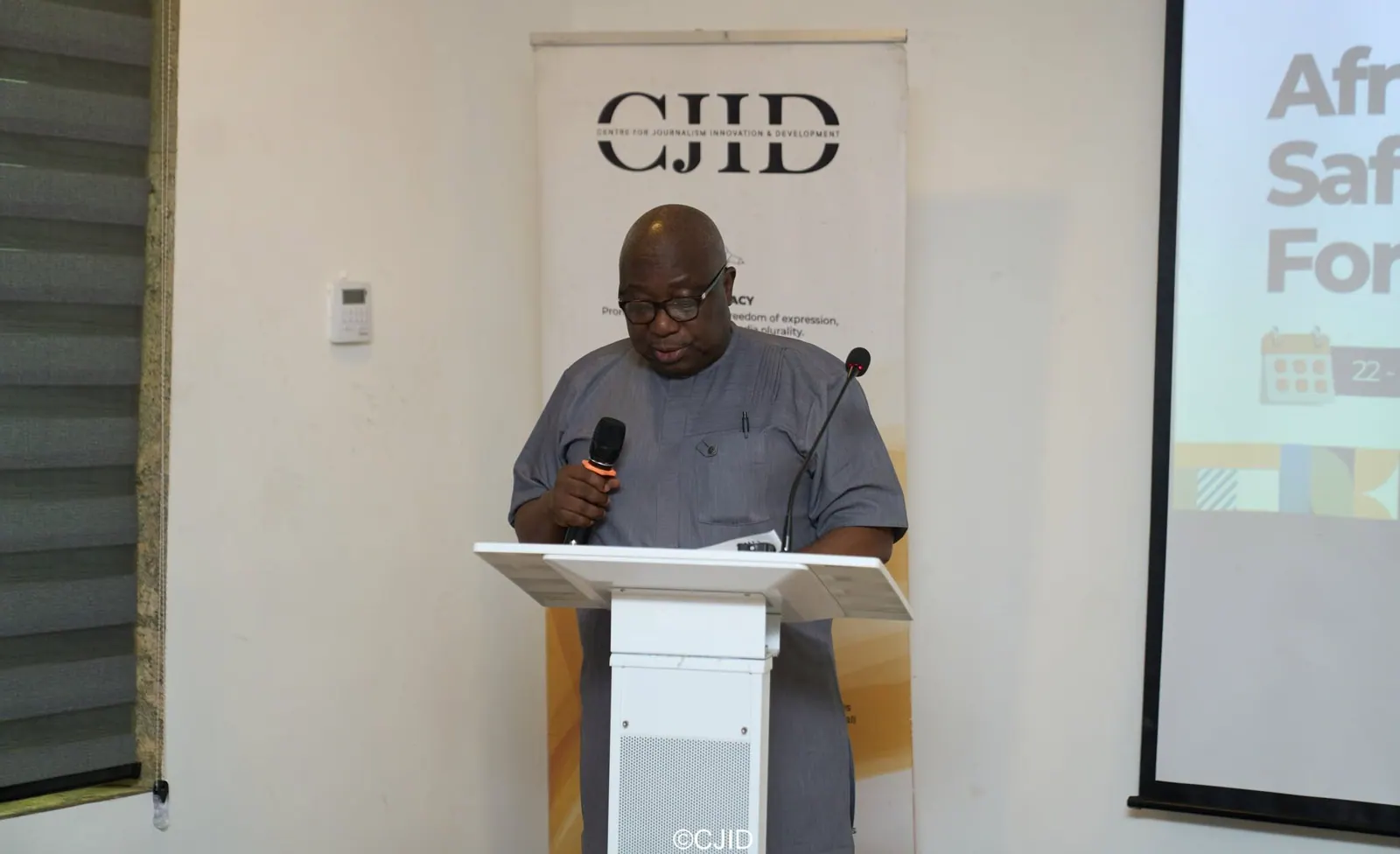
The communiqué was signed by Titus Usman, publisher of Jewel Treasure Newspaper, and Sekyen Dadik, executive director of AMDF. Dapo Olorunyomi, publisher of PREMIUM TIMES and CEO of the Centre for Journalism Innovation and Development, delivered the keynote address, explaining that the 2027 elections would pose new challenges for journalists as AI and digital platforms continued to change how information was produced and shared.
Olorunyomi noted that the speed and reach of social media platforms enable misinformation and disinformation to spread rapidly, often faster than professional journalists and fact-checkers can respond. He stressed that fact-checking and verification tools could help journalists and members of the public identify false information, but wider access to such tools, greater awareness, and institutional support were needed.
The Chairman of the Independent National Electoral Commission, Joash Amupitan, also warned in August that AI-driven disinformation posed a major challenge to the credibility of the 2027 general election. Amupitan said generative AI had made manipulated videos, audio, and images cheaper and harder to detect, with the potential to reach large numbers of people before they could be verified.
Nigeria experienced widespread election misinformation during the 2023 polls, with fake endorsements, forged statements, and other false claims circulating on social media, and some misinformation also finding its way into mainstream media. A report revealed cases involving manipulated audio, old videos presented as current events, and fabricated claims about the electoral process.
Olorunyomi noted that the pressure on journalism extended beyond the spread of false information, raising concerns about legal and institutional pressures on the media, including the application of the Cybercrimes Act, as well as the financial difficulties facing news organisations. The disruption of traditional media business models by digital platforms had put additional pressure on media organisations, contributing to poor remuneration for journalists and weaker news institutions.
The communiqué urged media organisations to strengthen their verification systems and invest in training on fact-checking, digital verification, AI, and investigative journalism. It also called for closer cooperation among journalists, media organisations, professional bodies, civil society groups, and technology companies to help identify and counter manipulated and AI-generated content ahead of the elections, and for stronger media-literacy programmes in schools and communities.
Key points
- Media stakeholders warn of growing threat of AI-generated fake information ahead of 2027 general elections
- 2027 elections pose new challenges for journalists due to increasing use of AI and digital platforms
- Strengthening verification systems and investing in fact-checking training are crucial to countering election misinformation