Nigerian higher education is witnessing a significant shift with the increasing adoption of Artificial Intelligence (AI) among students and lecturers. AI tools such as ChatGPT, Grammarly, and AI-powered research assistants have become popular, helping students with research, idea generation, and assignment completion. These tools have been particularly helpful in a system plagued by limited access to physical libraries, outdated textbooks, and overstretched academic staff.
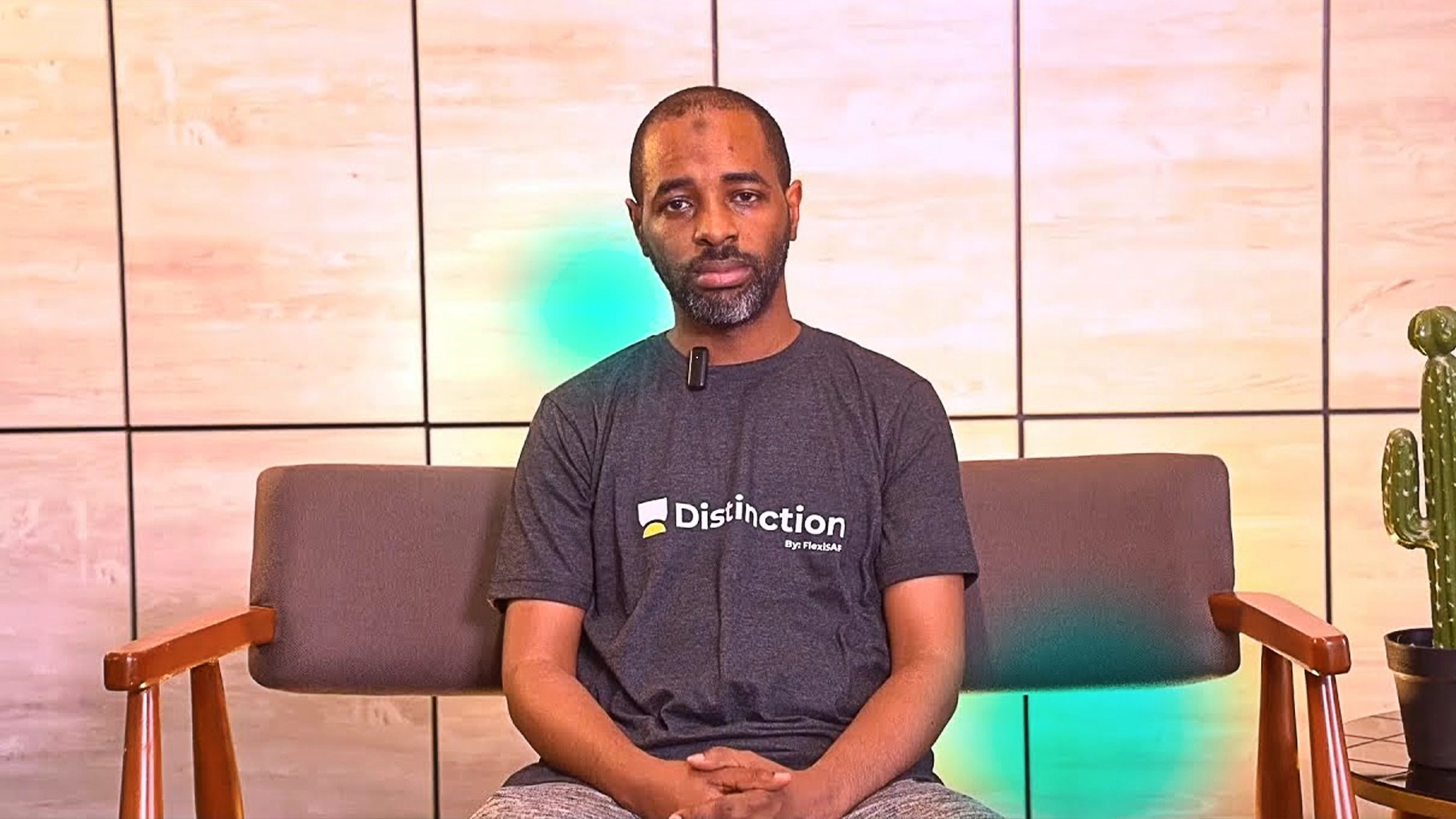
Lecturers at Abuja's Santuval Academy, including Idris Abba, a chartered accountant and lecturer, were struggling with the traditional method of preparing lessons, which involved juggling rented classrooms, teaching schedules, and hours spent producing course materials. Abba found it challenging to manage the demands of students who required greater flexibility in their learning. In 2025, he discovered Distinction AI, an education technology platform developed by Distinction Labs, a subsidiary of Nigerian edtech company FlexiSAF Edusoft Limited.
Distinction AI uses artificial intelligence to help lecturers, tutors, and educators create online courses and teaching materials, including lecture slides, videos, assignments, and examinations. The platform also allows instructors to deliver courses online and offer paid courses to learners. One of the significant benefits of using Distinction AI, according to Abba, is the time saved in preparing teaching materials. He can now generate lecture slides in minutes, rather than days, and use an AI assistant to mark coursework and provide students with scores and feedback.
The use of AI in education is not limited to saving time; it also offers the potential for personalized learning. Umar Adam Ibrahim, a computer scientist, AI researcher, and lecturer at Nile University, believes that AI can help students access more tailored learning structures based on their learning speed and ability. He also notes that AI can help lecturers with administrative tasks, allowing them to focus on research, student engagement, and mentorship.
Distinction AI has made a significant impact since its launch in 2024, helping over 10,000 instructors produce 20,000 courses and registering more than 160,000 learners who have spent over two million hours learning. However, the use of AI in education also comes with risks, such as inaccurate AI-generated responses. Hamid Bashir, who leads Distinction AI's product development, notes that the company has introduced a quality assurance process to review generated questions before they are released to students.
The need for AI guardrails is becoming increasingly important as more educational institutions adopt AI. Ibrahim emphasizes the importance of safeguarding student identity, grades, and assessment materials. He also calls for clearer rules governing AI use in Nigerian education, highlighting the need for regulatory frameworks to ensure the effective and responsible use of AI in the sector.
As AI continues to transform the education sector, lecturers like Abba and Ibrahim believe that the technology has the potential to enhance learning outcomes and improve the overall educational experience. With the right safeguards in place, AI can help lecturers focus on what matters most – teaching and mentoring – while providing students with more personalized and effective learning opportunities.
Key points
- Nigerian lecturers are leveraging AI tools like Distinction AI to save days of preparation time and enhance student learning.
- The use of AI in education offers the potential for personalized learning and can help lecturers with administrative tasks.
- The adoption of AI in education requires clear regulatory frameworks and safeguards to ensure the effective and responsible use of the technology.