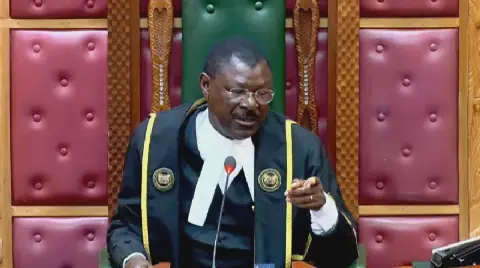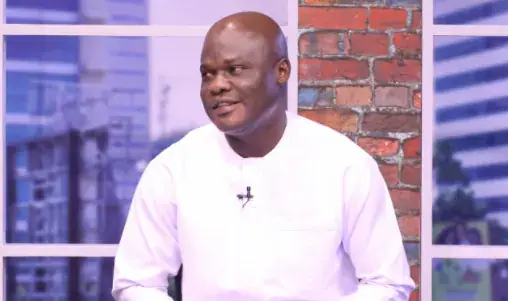
Ghana's Minister for Works, Housing and Water Resources, Ahmed Ibrahim, has defended the government's economic management record, criticizing the previous New Patriotic Party administration for collapsing several banks and financial institutions. This, he argued, had severe consequences for employment and the financial sector. The Minister made these comments during the debate on the 2027 Budget Statement and Economic Policy in Parliament.
According to Mr. Ibrahim, the previous administration inherited an economy with 33 universal banks and 467 microfinance institutions but left office after the collapse of several financial institutions. He alleged that approximately 367 microfinance institutions collapsed during that period, resulting in job losses and affecting the livelihoods of many Ghanaians. The Minister questioned the NPP's decision, asking, "When you collapsed the banks, where were you expecting the youth to go and be employed?"
Mr. Ibrahim mentioned several financial institutions, including UniBank, Heritage Bank, Royal Bank, and Sovereign Bank, which were affected by the previous administration's financial sector clean-up exercise. He also highlighted the current government's efforts to restore confidence in the country's debt management framework. The government has re-established a sinking fund to support debt repayment, with approximately US$480 million accumulated within 20 months.
The Minister for Works, Housing and Water Resources argued that the previous administration had discontinued an earlier sinking fund established to service debts. In contrast, the current government is taking steps to improve debt management. Mr. Ibrahim also defended the government's economic performance, citing improvements in key economic indicators and Ghana's renewed access to international financing opportunities.
Mr. Ibrahim referenced inflation rates, stating that when the previous administration took office, inflation stood at 18.1 percent but rose to 54.1 percent during its tenure. In contrast, the current government reduced inflation to 15.4 percent. He also noted that Ghana's international financial standing had improved, making the country more attractive to investors and reopening opportunities to access loans from international financial markets.
The Minister emphasized that the Finance Minister is exercising caution in contracting new loans, ensuring that any borrowing contributes meaningfully to economic growth. Additionally, Mr. Ibrahim referred to the government's plan to establish a Women's Development Bank, contrasting it with the collapse of some financial institutions, including Women's Welfare Banking Services, under the previous administration.
Mr. Ibrahim challenged the Minority to provide alternative arguments on the government's economic performance, insisting that the 2027 Budget reflected efforts to restore economic stability and strengthen the country's financial position. The debate on the 2027 Budget Statement and Economic Policy continues in Parliament, with the leaders of both sides expected to conclude deliberations.
Key points
- Ahmed Ibrahim defends government's economic record, accusing NPP of collapsing banks and financial institutions.
- Previous administration's policies led to job losses and economic instability.
- Current government working to restore confidence in debt management framework and improve economic indicators.