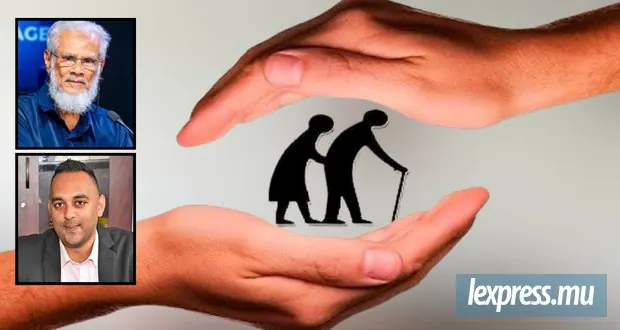
Mauritius marked the International Day of Older Persons on October 1, with the theme "The Era of Longevity: Rethinking Systems to Live Longer." The island nation is home to nearly 275,000 people aged 60 and above, accounting for about one in five Mauritians. This demographic shift necessitates a thorough review of elderly care policies, as families change, children move abroad, and households transform.
According to Sam Lauthan, a social worker and former Minister of Social Security, the aging population is a global phenomenon linked to improved quality of life. Advances in medicine, including surgical advancements, and increased awareness of physical exercise benefits contribute to a longer and more active life. However, this new longevity also disrupts family dynamics, with the traditional extended family model giving way to smaller, geographically dispersed units.
The traditional family setup, where multiple generations live together or nearby, is evolving due to declining birth rates, young people moving abroad, divorce, and single-parent and blended families. This change affects the elderly, who face not only physical dependency but also solitude and loss of social role. The grandparent-grandchild relationship requires particular attention, as it can be a source of richness and transmission, but also of misunderstandings and differing expectations.
As the demand for retirement homes and specialized institutions increases, the public sector struggles to provide affordable options, pushing many families towards private facilities with high costs. The profile of residents is also changing, with institutions needing to provide more medical care, geriatric follow-up, and support for people with physical or cognitive dependency. Ensuring quality care, preventing mistreatment, and protecting residents' rights and dignity become central concerns.
Sam Lauthan emphasizes that the response to these challenges cannot be limited to building more institutions. The goal must also be to enable elderly individuals to maintain their place within their family and social environment. Initiatives promoting intergenerational connections, such as common activities, exchanges between youth associations and elderly homes, and cohabitation projects, can help address these issues.
Lauthan also highlights the need to address the emotional and psychological challenges faced by families, particularly the young. Parental separation, for instance, can have negative effects on children's emotional well-being and psychological health. He stresses the importance of parents maintaining a critical perspective on their children's difficulties, rather than seeking to shield them from all challenges, which can hinder their autonomy and ability to cope with life's difficulties.
Ultimately, one of the significant challenges of longevity is ensuring that additional years are also years of social life, dignity, and human relationships. Even with proper care, individuals can suffer from deep-seated feelings of loneliness, underscoring the need for a comprehensive approach to elderly care that addresses physical, emotional, and social needs.
Key points
- The elderly population in Mauritius is rising, with nearly 275,000 people aged 60 and above.
- The traditional family model is evolving, affecting the elderly's living arrangements and social roles.
- There is a need for a comprehensive approach to elderly care that addresses physical, emotional, and social needs.