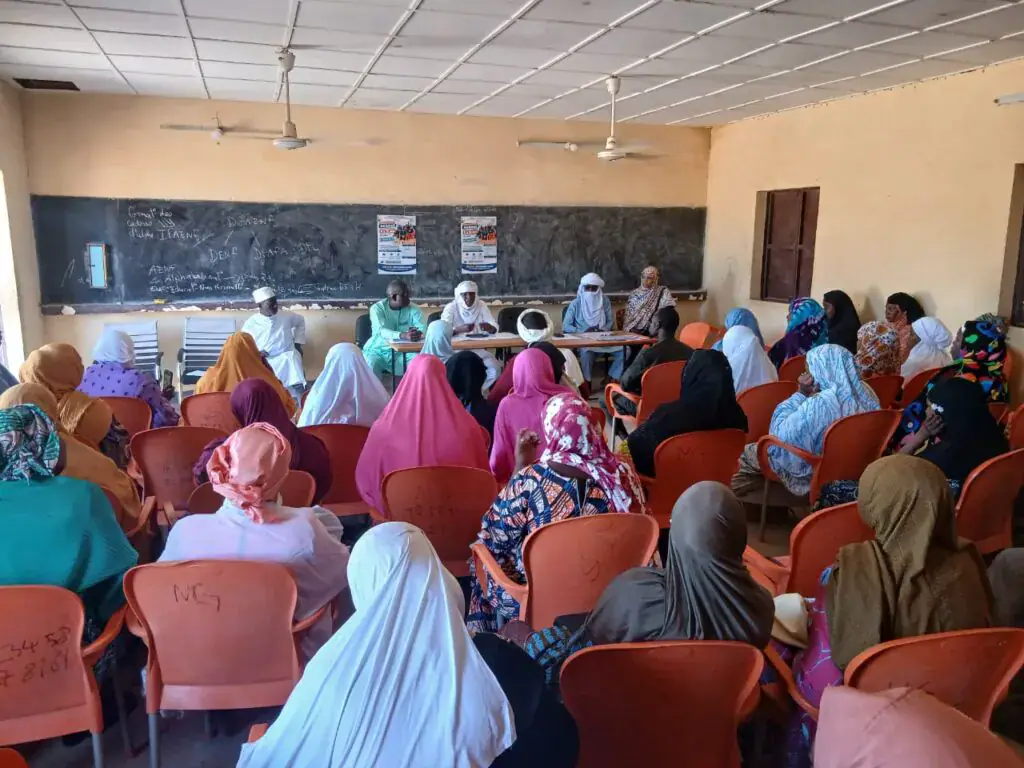
In a bid to promote non-formal education and provide a second chance for out-of-school children, the Niger-LIRE project has initiated the implementation of the Harmonized Accelerated Education Device (DEAH) in Niger's Agadez region. As part of this effort, 60 teachers, including 56 women, began a 12-day training session on October 30, 2026, to equip them with adapted pedagogical and didactic methods for supporting learners. The training was launched under the presidency of the Regional Director of National Education, Literacy, and Language Promotion, Mr. Sabit Billa.
The training, which is divided into two linguistic groups of 50 participants for Hausa and 10 for Tamasheq, aims to provide teachers with the necessary knowledge and pedagogical tools to manage accelerated education centers effectively. The program is part of the Niger-LIRE project's component 2, which focuses on improving learning outcomes and addressing critical deficits. The project targets 2,100 children in the Agadez region, with a national goal of enrolling 89,390 learners across 195 communes in eight regions of Niger.
The Regional Coordinator of the Niger-LIRE project, Mr. Hamidine Oumarou, emphasized that the training aims to provide teachers with the necessary skills and tools to support learners effectively. He also stressed the importance of their commitment to implementing the device, which offers a chance for children who have been deprived of regular schooling to catch up. The program is being implemented in collaboration with the NGO Teach For Niger, which is providing financial support.
In addition to teacher training, the program involves the training of inspectors responsible for monitoring and supervising centers. Four inspectors from Agadez, Arlit, Ingall, and Tchirozérine attended a training session on November 3, 2026, on using the KoboCollect digital application to facilitate the identification and enrollment of beneficiary children. The application will enable the collection of data on out-of-school children and support the monitoring of their progress.
The success of the DEAH device relies not only on teacher training but also on community participation and engagement. Sensitization of parents, community leaders, and local actors is crucial to identifying concerned children and encouraging their enrollment in centers. The program's impact will depend on the active involvement of communities in supporting out-of-school children.
The Niger-LIRE project is implementing the DEAH device in collaboration with regional education authorities and the NGO Teach For Niger. The program's goal is to provide a second chance for out-of-school children to access education and improve their learning outcomes. The project's component 2.2 focuses specifically on promoting second-chance programs for early school leavers and out-of-school children.
The training of teachers and inspectors is a critical step in implementing the DEAH device in the Agadez region. With the support of the Niger-LIRE project and Teach For Niger, the program aims to make a positive impact on the lives of out-of-school children in the region. The program's success will be monitored and evaluated to ensure its effectiveness in improving learning outcomes and promoting education for all.
Key points
- 60 teachers begin training to support accelerated education program for 2,100 out-of-school children in Niger's Agadez region.