Every October, Ghana's breast cancer awareness campaigns focus on early detection, prevention, and access to treatment, with advocates calling on the government to equip health facilities and strengthen cancer services nationwide. However, a 2025 study of patients referred for breast biopsies in the Oti and Volta regions found substantial gaps in how quickly treatment begins once a diagnosis is suspected. This delay is part of a longer story that is less discussed.
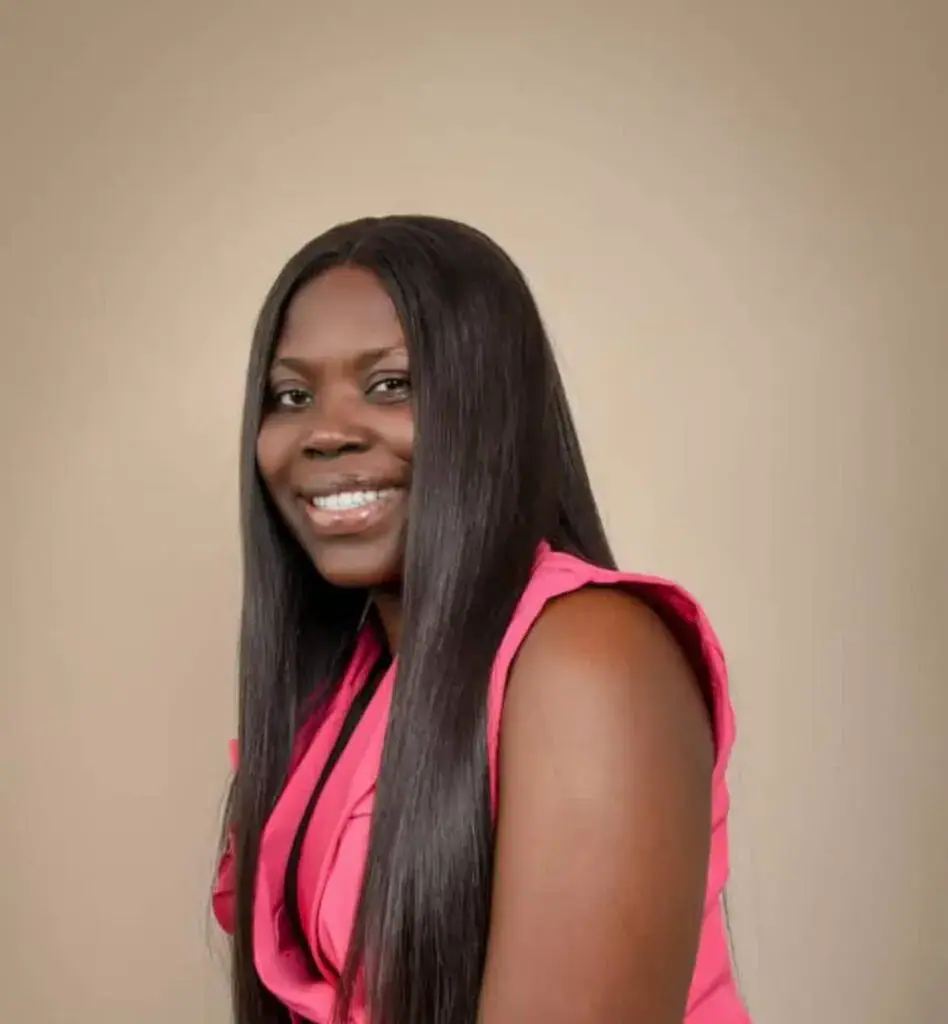
For patients who survive breast cancer in Ghana, the physical and emotional toll does not end when treatment stops, and the country's health conversation rarely follows them that far. A Ghanaian survivor, who underwent eight cycles of chemotherapy, surgery, and 16 fractions of radiotherapy during the COVID-19 lockdown, describes surviving the disease as "a blessing." However, she notes that gratitude for being alive does not erase the lasting effects of the treatment that saved her life.
The survivor was diagnosed with stage three invasive carcinoma, grade three, triple-negative breast cancer, which meant the cancer had spread beyond the breast tissue, the cells were highly abnormal and fast-growing, and the tumour lacked hormone and protein markers that allow for targeted therapies. She experienced muscle pain that sometimes lasts minutes and other times persists for days, nights when sleep becomes difficult, and episodes of vomiting that medical tests cannot always explain.
According to the US National Cancer Institute, side effects from cancer treatment can persist for months or years, or surface long after treatment ends, varying from person to person. These include peripheral neuropathy, persistent fatigue, joint and muscle pain, restricted movement, lymphoedema, sleep difficulties, and problems with memory or concentration. Surgery and radiotherapy can also leave lasting pain and changes in movement, while some survivors face early menopause, anxiety, and depression.
Beyond the physical symptoms, the survivor writes of the added burden of having her illness doubted by people who assume she is "pretending to be sick," saying such remarks "can deepen emotional distress, undermine trust and leave survivors feeling isolated." This highlights the need for a more comprehensive approach to cancer care that includes follow-up medical reviews, pain management, and psychological support.
The World Health Organisation's Global Breast Cancer Initiative recognises rehabilitation, pain relief, and psychological support as essential components of breast cancer management. The survivor argues that conversations about cancer care in Ghana need to extend beyond awareness campaigns and treatment access to cover the quality of life of those who survive.
With the 2025 Oti and Volta regions study already pointing to delays before treatment even begins, the question of what support exists once treatment ends remains largely unanswered in Ghana's current health system. As a result, survivors describe much of that recovery as a private, often invisible struggle, highlighting the need for a more supportive and inclusive healthcare system.
Key points
- A 2025 study found serious delays in starting breast cancer treatment in Oti and Volta regions.
- Breast cancer survivors in Ghana face lasting physical and emotional effects after treatment.
- The country's health conversation rarely follows survivors beyond treatment, leaving a gap in support and care.