The Export-Import Bank of the United States (EXIM) has announced a $99.6 million direct loan to Africell, a US-owned mobile network operator, to finance telecommunications investments in Angola. This financing will support advanced mobile network technology, improve connectivity, and strengthen American commercial engagement in Angola. Africell, which operates in Angola, the Democratic Republic of Congo, Sierra Leone, and The Gambia, sees this loan as an opportunity to expand its operations and introduce more American technology into Africa's telecommunications sector.
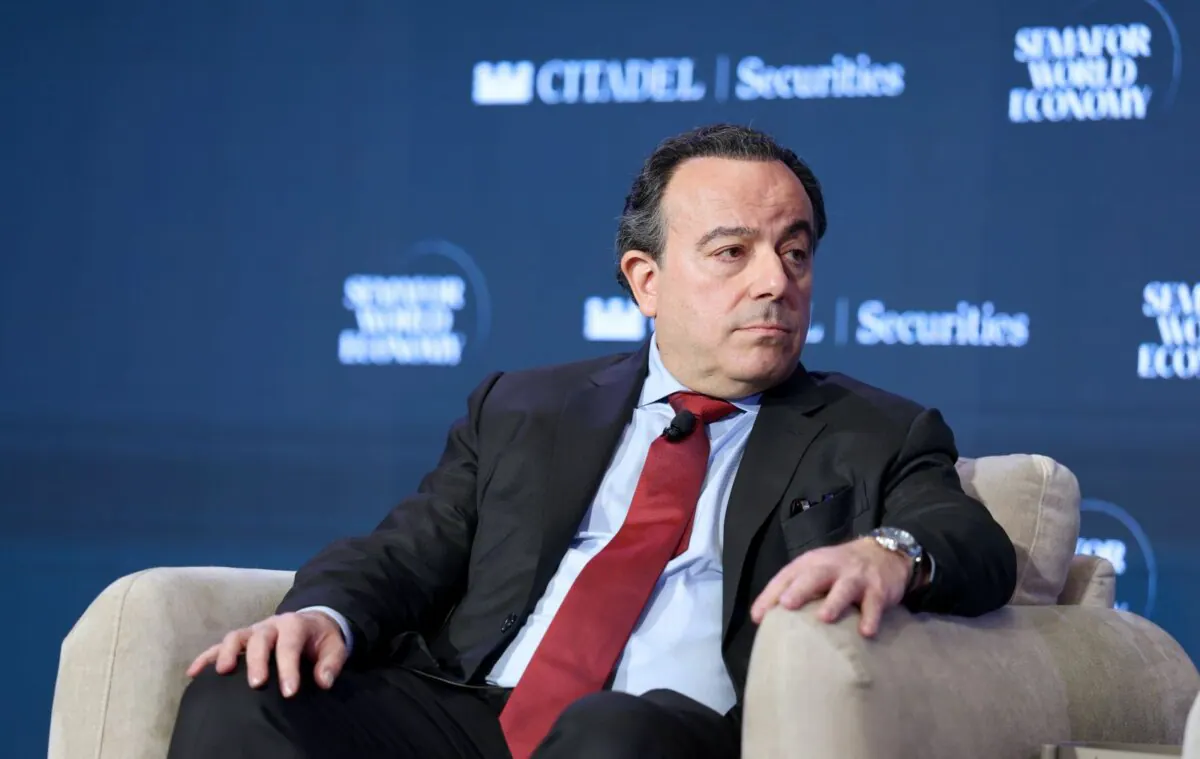
Africell founder and CEO Ziad Dalloul stated that the EXIM financing will enable the company to acquire advanced American and European mobile network technology for its Angolan operations. This investment is expected to improve network coverage, strengthen service reliability, and increase competition in Angola's telecommunications market while supporting American jobs and technology exports. The company aims to build on its growth in existing markets and introduce more American technology into Africa's telecommunications sector.
The financing is part of a broader US effort to increase commercial involvement in Angola, particularly in transportation, energy, and communications infrastructure. American commitments associated with the Lobito Corridor, a major infrastructure project, exceed $5 billion, covering investments in railway upgrades, bridges, and broadcasting infrastructure. The Lobito Corridor links Angola's Atlantic coast to mineral-producing regions in the Democratic Republic of Congo and Zambia, and reliable telecommunications will be crucial as transport infrastructure expands and commercial activity increases.
The US Embassy in Angola welcomed the financing, describing it as a partnership that will benefit both countries. Chargé d'Affaires at the US Embassy to Angola and São Tomé and Príncipe, Shannon Nagy Cazeau, stated that partnerships with the US and American companies have achieved quality results. This financing is seen as a win for both countries, bringing American technology and a more prosperous, more connected Angola.
Africell has been involved in promoting the Lobito Corridor's economic potential, releasing a feature documentary, Lobito Bound, in 2025. The documentary, produced with support from the US State Department, examines American investment in the region and is available internationally on streaming platforms. This initiative demonstrates Africell's commitment to showcasing the corridor's economic potential and promoting American investment in the region.
The $99.6 million loan strengthens Africell's relationship with American financial institutions and provides additional backing for its expansion in Angola. For EXIM, the transaction supports its mandate to promote American exports and employment by helping US businesses compete in international markets. The bank provides direct loans, loan guarantees, export credit insurance, and working capital guarantees to support American companies operating abroad.
The financing is expected to bring broader mobile coverage, more reliable services, and greater competition to Angola's telecommunications market. The use of American telecommunications equipment is also intended to help the country diversify its technology suppliers, strengthen cybersecurity protections, and reduce exposure to information-security threats. This investment will support Africell's growth in Angola and contribute to the country's digital development.
Key points
- The EXIM loan will support Africell's acquisition of advanced American and European mobile network technology for its Angolan operations.
- The financing is part of a broader US effort to increase commercial involvement in Angola, particularly in transportation, energy, and communications infrastructure.
- The investment is expected to improve network coverage, strengthen service reliability, and increase competition in Angola's telecommunications market while supporting American jobs and technology exports.