The Dakar 2026 Youth Olympics, which concluded on November 13, provided a platform for African youth athletes to showcase their talent, resulting in a series of memorable performances, national firsts, and breakthrough victories. At the close of competition, athletes from 19 African countries had won 76 medals, including 27 gold, 17 silver, and 32 bronze medals. Egypt finished fourth in the overall medal table with six gold medals, followed by Ethiopia in fifth, Senegal in sixth, Kenya in eighth, and South Africa in ninth.
Humphrey Kayange, chair of the IOC Coordination Commission for Dakar 2026 and a former captain of Kenya's Rugby Sevens team, expressed his pride and emotional connection to the event. "Dakar 2026 has been a really proud moment. Emotional. As an Olympian from Africa, just seeing all the planning and preparations, and seeing everything come to life, has been a really special feeling," he said. Kayange also praised the reception from Senegalese fans, which made the event special.
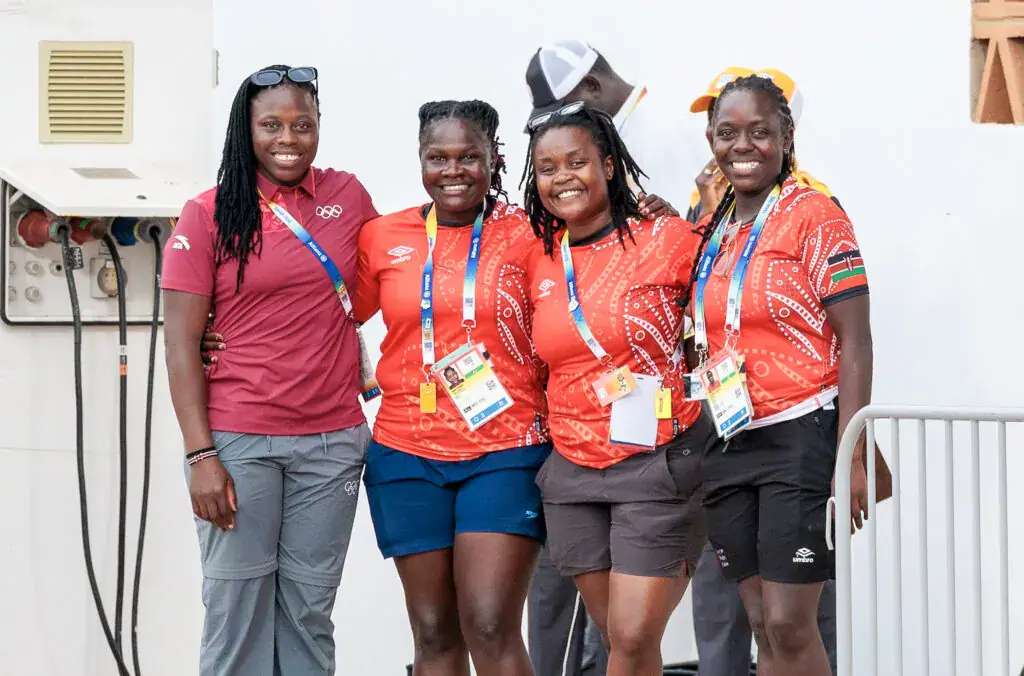
Kenya's women's rugby sevens team delivered one of the tournament's standout moments, beating favorites Australia in sudden-death extra time to claim gold. Madagascar took bronze, while South Africa won silver in the men's competition. For Kayange, Kenya's victory was especially moving given his own history in the sport. "Kenya's win in the rugby women's sevens final was really emotional. As an athlete, former rugby player and captain for Kenya, just seeing their resilience, their commitment, their belief, winning that game in extra time was not easy," he said.
Egypt's Zain Ali made his mark in the pool, winning all three butterfly events: the 50m, 100m, and 200m. Senegal celebrated three gold medals in beach wrestling, adding to the excitement of competing on home soil. On the track, Ethiopia finished top of the athletics medal table with five gold and three silver medals, according to World Athletics. Kenya and Nigeria each collected three athletics golds, while Zimbabwe's Ropafadzo Mzondo won the men's 200m in 21.04 seconds, securing his country's first Youth Olympic gold in the event.
One of the most personal stories of the Games came from 16-year-old Mustapha Jadama, whose silver medal in the men's 400m made him the first Gambian to win an Olympic medal, at either the Youth or senior level. Jadama crossed the line in 46.93 seconds, behind the United Arab Emirates' Saeed Omar, who won gold in 46.40, and ahead of China's Liu Han, who took bronze in 47.16. The Gambia had first competed at the Olympics in Los Angeles in 1984 without previously winning a medal.
The Games also gave Senegal increased exposure beyond the competition venues, with a sharp rise in online references to the country during the event. An analysis of nearly one million online mentions by Senegalese marketing and communications specialist Mamadou Mactar Diallo found that daily online publications referencing Senegal rose from an average of 23,900 in October to 63,400 during the first five days of the Games, a 2.7-fold increase.
For the approximately 2,700 athletes who competed in Dakar, the Games also offered an introduction to the Olympic experience beyond the field of play. Many were taking part in their first Olympic event, sharing the Youth Olympic Village with competitors from different countries and sports. The village brought together athletes for cultural activities, new friendships, and educational programs, providing experiences that would extend well beyond their performances.
Key points
- African athletes won 76 medals, including 27 gold, at the Dakar 2026 Youth Olympics.
- Senegal hosted the first Olympic event on African soil, marking a new sense of possibility for the continent's sporting ambitions.
- Kenya's women's rugby sevens team delivered a standout moment, beating Australia in sudden-death extra time to claim gold.