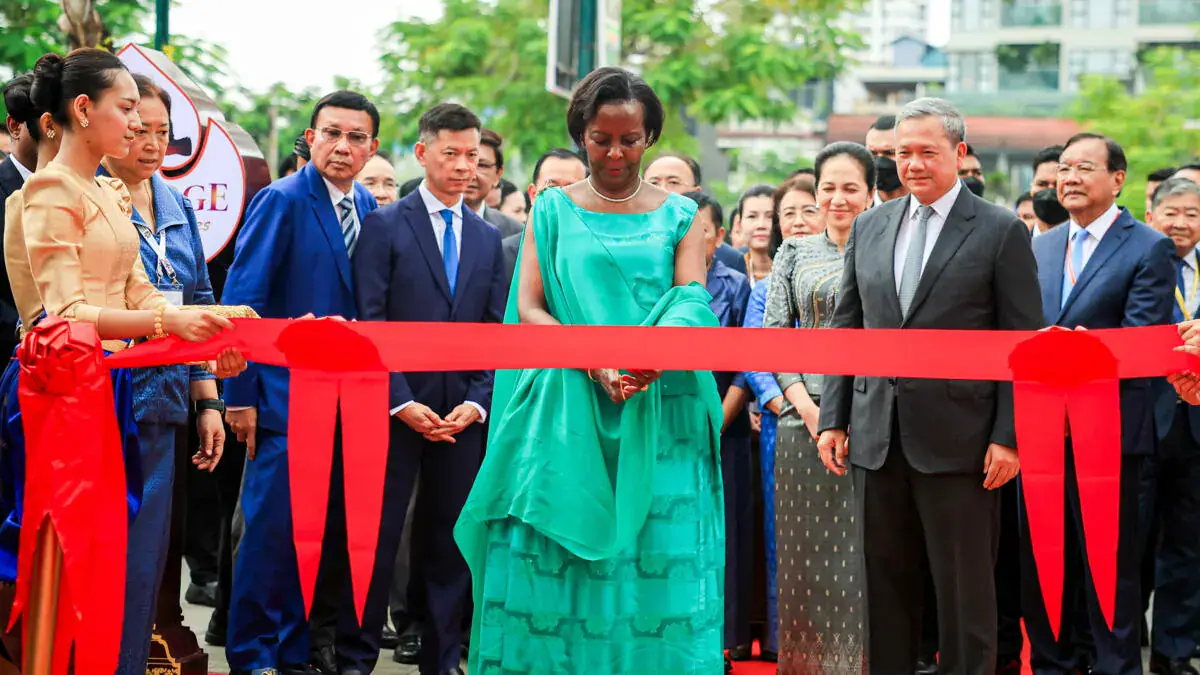
The 18th Francophonie summit, held in Phnom Penh, Cambodia, on November 15-16, concluded without achieving a major breakthrough in the election of a new secretary-general for the Organisation internationale de la Francophonie (OIF). The summit, attended by heads of state and government from nearly 90 member countries, was expected to designate a successor to Louise Mushikiwabo, the current secretary-general from Rwanda. However, the meeting ended with no agreement on a candidate or a voting process.
As a result, the Cambodian presidency proposed, and the summit agreed to, a one-year extension of Louise Mushikiwabo's mandate, with the election of a new secretary-general now scheduled for 2027. During this additional year, Mushikiwabo will focus on clarifying the organization's electoral rules, a task that has been complicated by the lack of clear guidelines. This has been seen as a major contributor to the impasse in the election process.
Despite the deadlock on the secretary-general position, the summit achieved some notable outcomes. The leaders adopted three key documents: the Déclaration de Phnom Penh, a resolution on crisis situations and peace consolidation, and the Appel de Phnom Penh pour la protection du patrimoine culturel. These texts reflect the organization's commitment to promoting peace, stability, and cultural heritage among its member countries.
The Francophonie summit's inability to elect a new secretary-general highlights the divisions within the organization, which comprises countries with diverse interests and ties to the French language. With nearly 90 member states and governments, the OIF faces challenges in navigating its internal dynamics. The extension of Mushikiwabo's mandate may provide temporary stability, but the organization's leadership crisis remains unresolved.
The summit's theme, "Réinvestir dans la paix pour une prospérité partagée et une stabilité durable" (Reinvesting in peace for shared prosperity and sustainable stability), underscored the importance of peace and cooperation among member countries. However, the lack of progress on the secretary-general election raises questions about the organization's ability to address pressing issues and make key decisions.
Louise Mushikiwabo, who has been serving as secretary-general since 2014, will continue to lead the OIF until 2027. Her mission during the next year will be to clarify the organization's electoral rules, a critical step in ensuring a smooth transition of leadership. The Togo delegation to the summit was led by Faure Gnassingbé, the president of the Conseil.
The Francophonie summit's outcome has set the stage for another crucial meeting in 2027, when member countries will attempt to elect a new secretary-general. Until then, the organization will continue to be led by Louise Mushikiwabo, who will work to address the challenges facing the OIF and promote greater cooperation among its member countries.
Key points
- The Francophonie summit extended Louise Mushikiwabo's mandate as secretary-general by one year, with the election of a new secretary-general now scheduled for 2027.
Reporting sources
- Un an de plus pour Louise Mushikiwabo, faute de mieux · republicoftogo.com