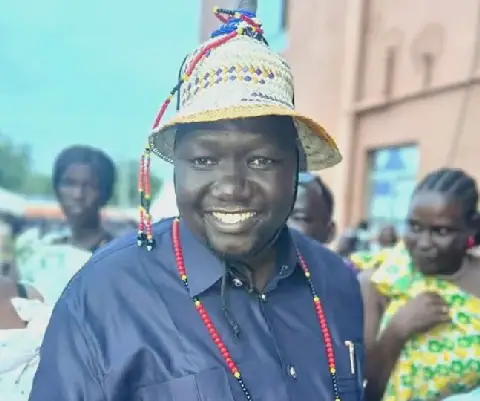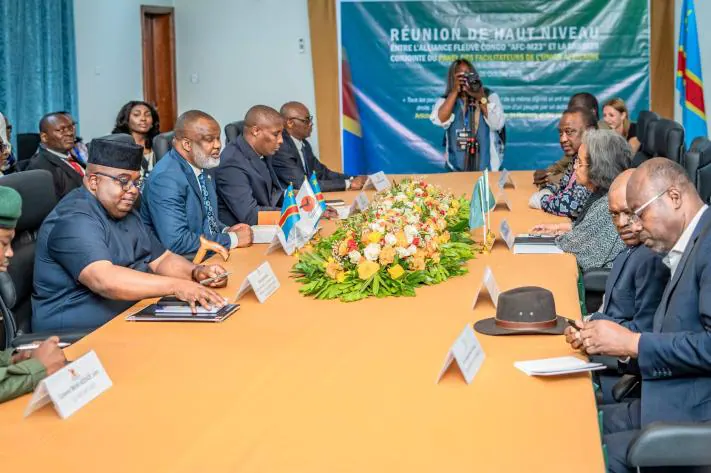
A delegation of the African Union's Panel of Facilitators, led by former Kenyan President Uhuru Kenyatta, former Botswana President Mokgweetsi Masisi, and former Ethiopian President Sahle-Work Zewde, arrived in Goma on October 5 to engage with the leadership of the AFC-M23 rebel group. The talks aim to advance the peace process and address the security situation in eastern Democratic Republic of Congo. The visit comes amid ongoing diplomatic efforts to ease tensions in the region.
The African Union's initiative seeks to maintain dialogue with the AFC-M23, despite challenges in implementing previous agreements. The panel's visit follows recent diplomatic efforts by the UN Special Representative, James Swan, and renewed calls from the Security Council for the immediate and unconditional withdrawal of Rwandan troops from Congolese territory. The talks in Goma will focus on prospects for peace and conditions necessary for de-escalation.
The composition of the African Union delegation underscores the importance of finding a political solution to the crisis in Congo. The panel's leaders are prominent African statespersons, and their presence highlights the commitment of the African Union to resolving the conflict. However, two other personalities initially announced as part of the initiative were unable to participate, citing health reasons and urgent engagements elsewhere.
The talks in Goma come amid heightened international pressure on Rwanda and the AFC-M23 to withdraw their forces from Congolese territory. The UN and other international partners have repeatedly called for the cessation of hostilities and the withdrawal of Rwandan troops, which are seen as a major obstacle to peace. Despite this pressure, Rwanda has not indicated a willingness to withdraw its forces, citing concerns about the presence of the FDLR rebel group.
The AFC-M23 rebel group, meanwhile, appears to be maintaining its positions, despite international pressure and diplomatic initiatives. The group controls several strategic territories in eastern Congo, complicating efforts to implement previous agreements. The situation on the ground remains a major challenge to the peace process, with Kinshasa seeking to restore state authority and Rwanda prioritizing its security concerns.
The African Union's initiative is also seen as a test of the implementation of the Washington agreement between Kinshasa and Kigali. The two countries have committed to a range of measures, including the withdrawal of foreign forces and the disarmament of rebel groups. However, the implementation of these commitments has been slow, and the situation on the ground remains fragile.
The outcome of the African Union's initiative is uncertain, but the talks in Goma represent a renewed effort to revive the stalled peace process. The situation in eastern Congo remains complex, with multiple actors and interests at play. The success of the initiative will depend on the willingness of all parties to engage in meaningful dialogue and compromise.
Key points
- The African Union has launched a new initiative to revive peace talks with the AFC-M23 rebel group in Goma, Democratic Republic of Congo.
- The talks aim to advance the peace process and address the security situation in eastern Congo.
- The initiative comes amid heightened international pressure on Rwanda and the AFC-M23 to withdraw their forces from Congolese territory.