A three-day consultative meeting opened on Monday in Lomé, Togo, with the goal of preparing the creation of the African Union's Migration Advisory Council (MAC). The meeting brings together around 100 delegates, including immigration officials from member states and migration experts. They will examine and adopt the mandate of the future council, which aims to provide technical advice to states and strengthen coordination on border governance.
The future council will focus on providing technical advice to states and strengthening coordination on border governance, based on factual data rather than scattered approaches. The discussions in Lomé cover topics such as integrated border management, the use of new technologies, visa exemption regimes, and the free movement of persons. These subjects are directly related to the African Union's migration policy, its protocol on free movement, and the agreement establishing the African Continental Free Trade Area (AfCFTA).
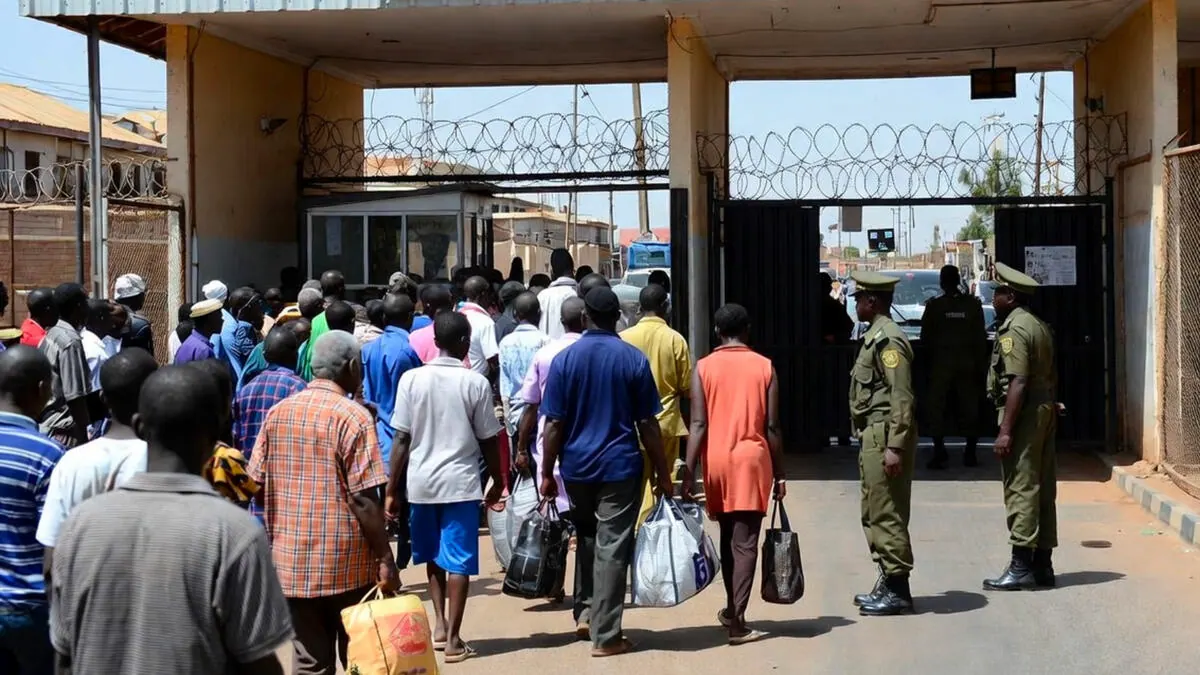
The meeting takes place exactly 20 years after the adoption of the African Union's Migration Policy Framework. Despite this, the reality on the ground has not changed significantly. According to the Africa Visa Openness Index 2025 by the African Development Bank, only 28.2% of intra-African travel is currently exempt from visa requirements. This figure highlights the persistent gap between the pan-Africanist discourse and the reality experienced by travelers on the continent.
The African Union's efforts to enhance free movement are part of a broader strategy to promote economic integration and cooperation among member states. The free movement of persons is a key aspect of this strategy, as it can facilitate trade, investment, and tourism. However, the implementation of this policy has been slow, and many countries still maintain strict visa requirements for travelers from other African countries.
The Lomé meeting is an opportunity for delegates to discuss the challenges and opportunities related to the free movement of persons in Africa. They will also explore ways to address the concerns of member states while promoting a more liberal and coordinated approach to migration. The outcome of the meeting will inform the work of the Migration Advisory Council and contribute to the development of a more effective migration policy for the African Union.
The African Union's Migration Policy Framework was adopted in 2006, with the aim of promoting a more coordinated and effective approach to migration. The framework recognizes the importance of migration for economic development and social progress, but also highlights the need to manage migration in a way that respects human rights and national sovereignty.
The Lomé meeting is a crucial step towards the creation of the Migration Advisory Council, which will play a key role in promoting the free movement of persons in Africa. The council's work will be guided by the principles of the African Union's migration policy, including the promotion of free movement, the protection of human rights, and the management of borders in a way that is secure and efficient.
Key points
- The African Union's Migration Advisory Council aims to provide technical advice to states and strengthen coordination on border governance.
- Only 28.2% of intra-African travel is currently exempt from visa requirements, according to the Africa Visa Openness Index 2025.
- The Lomé meeting is part of a broader strategy to promote economic integration and cooperation among African Union member states.