The African Union has faced criticism for its inaction as the peace process in Western Sahara unravels. The UN Security Council's decision to end the UN Mission for the Referendum in Western Sahara, MINURSO, has sparked fears of renewed conflict. Morocco's push for control over the region has been met with resistance from the Sahrawi people, who have been fighting for independence. The AU's silence on the matter has been questioned, with many wondering why the organization has not taken a stronger stance against Morocco's actions.
The conflict in Western Sahara dates back to the 1970s, when Morocco annexed the region. The Sahrawi people have been fighting for independence ever since. In 1982, the Organisation of African Unity, now the African Union, recognized Western Sahara as an independent state and admitted it as a full member. However, Morocco's monarch has refused to accept the decision, and the conflict has continued. The UN has been involved in peace efforts, but its role has been criticized as ineffective.
The UN Security Council's decision to end MINURSO has been seen as a major blow to the peace process. The mission was established in 1991 to oversee a referendum on Western Sahara's future. However, Morocco has refused to allow the referendum to take place, and the UNSC has now decided to cancel it. Instead, the council has endorsed Morocco's plan for the region, which would see Western Sahara ruled by King Mohammed VI. The Sahrawi people have warned that they will abandon the peace negotiations if the UN draft is approved without significant modifications.
The US has endorsed the end of MINURSO, with Ambassador Mike Waltz, US Representative to the UN, calling for the parties to negotiate a lasting peace. However, China has warned the UNSC against a one-sided approach to the Western Sahara issue. Algeria, which has given political, moral, and material support to the Sahrawi people, has pointed out that the tragedy being endured by the Sahrawi has been diluted to the concept of refugee populations. The Algerian representative has also criticized the failure of the Security Council.
The UN Secretary-General, António Guterres, has said that ending MINURSO does not abrogate the Saharawi people's inalienable right to self-determination. He has called on all parties to respect and promote the rights of the people of Western Sahara. However, critics argue that the UN has not done enough to protect the rights of the Sahrawi people. The African Union has also been criticized for its inaction, with many wondering why it has not taken a stronger stance against Morocco's actions.
The conflict in Western Sahara has significant implications for Africa and the world. If war breaks out again between Morocco and the Sahrawi people, it is Africa that will suffer. The move against the Sahrawi is part of a larger plan by Western Europe and the US to normalize colonialism. The US has asked the UN to end the mandate of its Special Committee on Decolonization, claiming that UN Hearings on decolonization are a waste of resources.
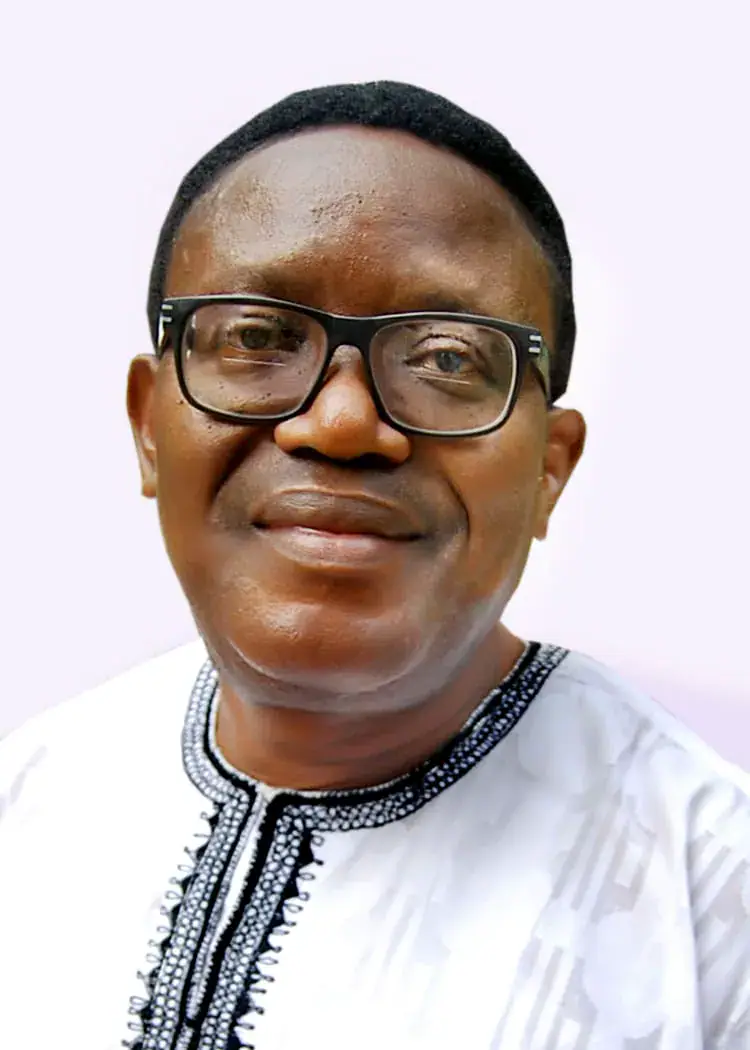
The African Union's inaction on Western Sahara has been seen as a betrayal of the Sahrawi people. The organization's silence has been questioned, with many wondering why it has not taken a stronger stance against Morocco's actions. The conflict in Western Sahara is a test of the AU's commitment to African unity and self-determination. As Owei Lakemfa, a human rights activist and journalist, notes, fighting for the people of Western Sahara is also a fight for freedom in underdeveloped countries like Nigeria and South Africa.
Key points
- The African Union has faced criticism for its inaction on Western Sahara.
- The UN Security Council's decision to end MINURSO has sparked fears of renewed conflict.
- The conflict in Western Sahara has significant implications for Africa and the world.